- calendar_today September 14, 2026
This autumn, residents and visitors across Oregon have a unique opportunity to witness a spectacular astronomy phenomenon. The zodiacal light, also known as the false dawn, briefly illuminates the morning sky from September through late October, captivating skywatchers across the region.
What Is the Zodiacal Light?
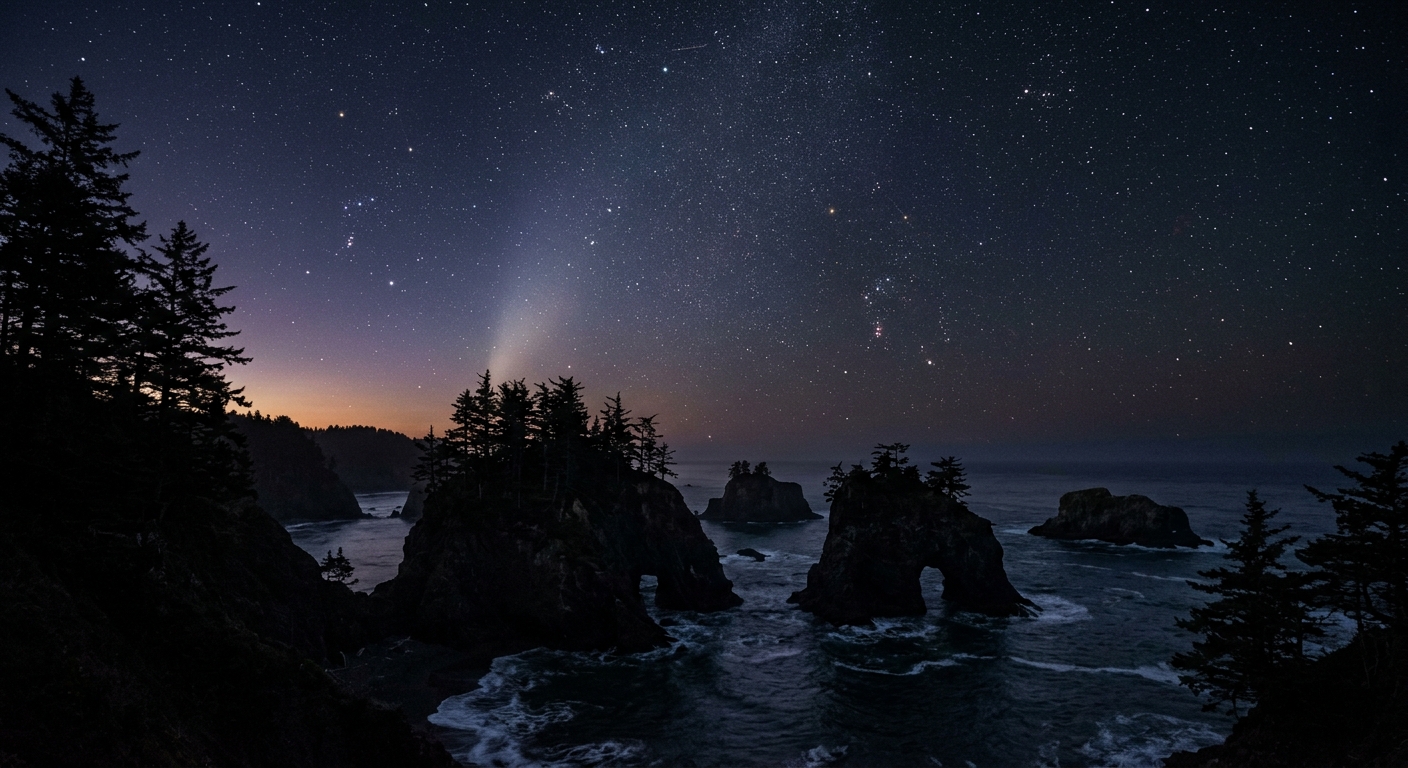
The zodiacal light is a subtle celestial glow that can be observed stretching upward from the eastern horizon, most visible just before dawn. Scientists attribute this phenomenon to sunlight reflecting off comet dust and minute particles left by asteroids in the inner solar system. These tiny debris fields act like a diffuse mirror, sending beams of light across the dark skies over Oregon and neighboring areas.
Best Time and Places for Viewing
Viewing the zodiacal light requires optimal conditions, including clear, moonless nights and a vantage point far from urban light pollution. The Oregon coast and Washington coast both offer exceptional locations due to their remote, unspoiled landscapes and dark skies. Coastal towns and countryside areas provide ideal settings, while viewers should be mindful that the Coast Range may sometimes obstruct the horizon. According to observing tips from NASA, the best visibility occurs approximately two hours before sunrise, when the morning sky is darkest but soon to brighten.
Essential Observing Tips for Stargazers
Spotting this astronomy phenomenon demands patience and preparation. First, seek out locations known for reliably dark skies—state parks or less-traveled coastal areas are often prime choices. Bring a tripod-mounted camera to help enhance the faint glow, as the celestial light can be challenging to detect with the naked eye. Ideally, observers should avoid nights with significant moonlight, as even a half-lit moon can overpower the false dawn’s subtle shimmer.
Why the Zodiacal Light Matters in Oregon
This rare celestial event not only inspires local skywatchers but also contributes to scientific studies. Astronomers have long contended with the zodiacal light’s interference when conducting sensitive deep space observations. Advancements such as using space-based telescopes help mitigate its impact. For Oregon’s thriving astronomy community and numerous night sky enthusiasts, these weeks represent a highlight in the annual cycle of stargazing events.
The Science Behind the Morning Glow
The zodiacal light’s ethereal display results from a thin cloud of comet dust and asteroid remnants encircling the sun. As Earth orbits through this debris, sunlight scatters and creates the gentle, cone-shaped radiance in the morning sky. This phenomenon connects regional observers to a broader cosmic context, as the same dust has been accumulating for eons across the solar system.
Visiting and Experiencing the False Dawn
Tourism along the Oregon coast surges each fall in part due to these unique sky events. Local hotels and guest accommodations frequently welcome astronomy tourists hoping to glimpse the false dawn. Regional organizations and astronomy clubs often share up-to-date observing tips and schedules for optimal viewing.
Looking Ahead: Protecting Our Dark Skies
As light pollution increases nationwide, Oregon and the adjacent Washington coast remain valued for their preserved natural darkness. Local communities and advocates continue efforts to protect these essential dark skies, ensuring that the zodiacal light and other natural night sky wonders remain accessible to future generations.
Whether capturing the moment with a camera or simply enjoying an early morning outing, witnessing the zodiacal light offers a lasting connection between Oregonians, the cosmos, and their scenic home.