- calendar_today August 14, 2026
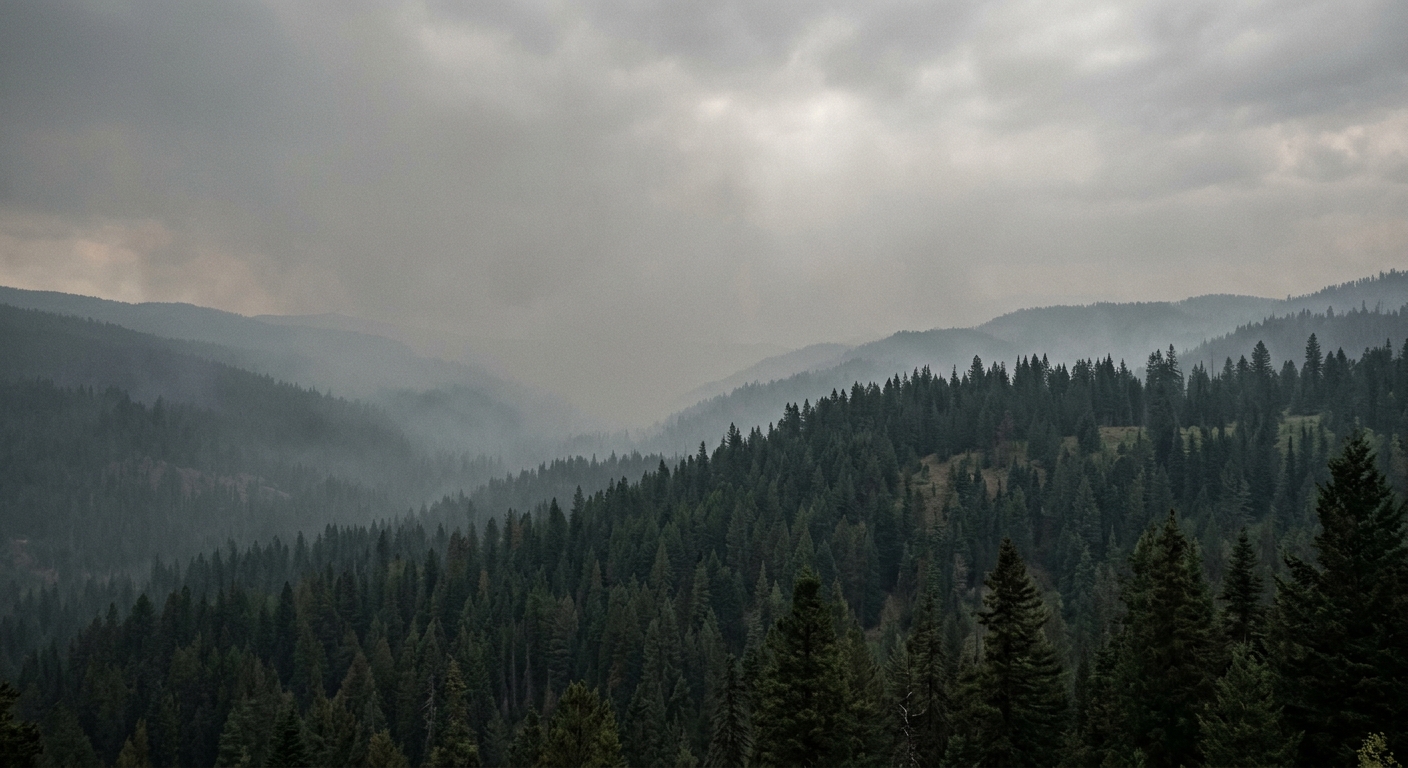
OREGON – Wildfire smoke is making a swift return across Oregon as gusty easterly winds push thick smoke from the Grasshopper Fire into northwest Oregon and parts of southwest Washington, according to the National Weather Service. Residents across the region can expect diminished air quality and hazy skies throughout the day, with conditions likely to improve by late week.
Smoky Skies Blanket Western Oregon
The arrival of oregon wildfire smoke is far from subtle. Early forecasts by meteorologists called for elevated smoky skies in Oregon, potentially reaching unhealthy levels by Wednesday afternoon. The influx is due to strong easterly winds moving smoke westward from fire activity in southern Oregon and central Washington, areas that remain highly vulnerable to wildfire spread and poor air quality.
Short-Lived Air Quality Concerns
While the smoke air quality is expected to deteriorate in several communities, the latest wildfire smoke forecast suggests the most challenging conditions will be brief. The National Weather Service projects the return of westward winds late Thursday night into Friday. This shift will help disperse wildfire smoke, pushing it out of populated areas and improving visibility and health conditions by the weekend.
Active Alerts and Ongoing Fire Weather Warnings
Numerous fire weather alerts remain in effect as officials monitor the evolving situation. Air quality advisories persist for substantial portions of south central Oregon and central Washington, including cities that have already endured multiple air quality disruptions this fire season. Red flag warnings issued by the National Weather Service signal heightened fire danger where dry vegetation and hot, gusty easterly winds could fuel rapid growth in ongoing wildfires.
Health Impact and Community Response
Local health agencies urge residents—especially children, the elderly, and individuals with respiratory conditions—to take smoke health impact precautions during periods of heavily polluted air. Limiting outdoor exposure and using air purifiers indoors are among the recommendations to mitigate the effects of oregon wildfire smoke. Communities from Portland to Eugene have established information centers and distributed masks ahead of forecasted air quality declines.
Weather Outlook: Coast and Inland Temperatures
Despite inland smoke, the Oregon coast weather remains relatively mild this week. Daytime highs along coastal communities hover near 70 degrees, with partly cloudy skies providing relief from the region’s typical summer heat. Meteorologists anticipate some rainfall for coastal areas on Monday, potentially assisting in reducing airborne particulates. In contrast, inland temperatures are set to climb into the 80s by next week, raising concerns for continued fire activity but also signaling a return to more typical summer conditions.
Smoke Dispersion and Future Relief
With smoke dispersion expected to accelerate as winds shift later this week, communities across Oregon look forward to cleaner air and improved visibility. The wildfire smoke forecast notes only a modest likelihood of precipitation—about 10 to 15 percent—mainly in the northern South Washington Cascades for Thursday afternoon. However, forecasters predict a stronger probability of rainfall next week, a development that would significantly aid firefighting efforts and promote long-term air quality recovery throughout western Oregon.
Regional Response and Preparedness
Across Oregon, emergency personnel remain on alert. State and municipal agencies coordinate daily updates on air quality, enforce fire weather alerts, and mobilize firefighting resources where needed. Many communities have established clean air shelters and health advisory hotlines, highlighting a proactive stance in mitigating the smoke health impact for vulnerable residents. While the state readies for additional wildfire smoke, ongoing awareness and responsive action are helping Oregon adapt to this recurring summer hazard.
Looking Ahead as Conditions Shift
As wildfire smoke remains a seasonal challenge across Oregon, this week’s episode underscores the importance of monitoring the wildfire smoke forecast and abiding by public health recommendations. With the anticipated change in wind patterns and a potential uptick in rainfall next week, there is cautious optimism that air quality and community well-being will improve as the region enters the latter half of the fire season.