- calendar_today September 25, 2026
EUGENE, Ore. — The city of Eugene is considering a significant building height waiver for a major student apartment tower, as developer CRG seeks to finalize plans for the new Alder Chapter high-rise near the University of Oregon. The request could transform Eugene’s skyline, while highlighting the impact of recent state legislation designed to spur housing development across Oregon.
Developer Seeks to Surpass Eugene Building Height Limit
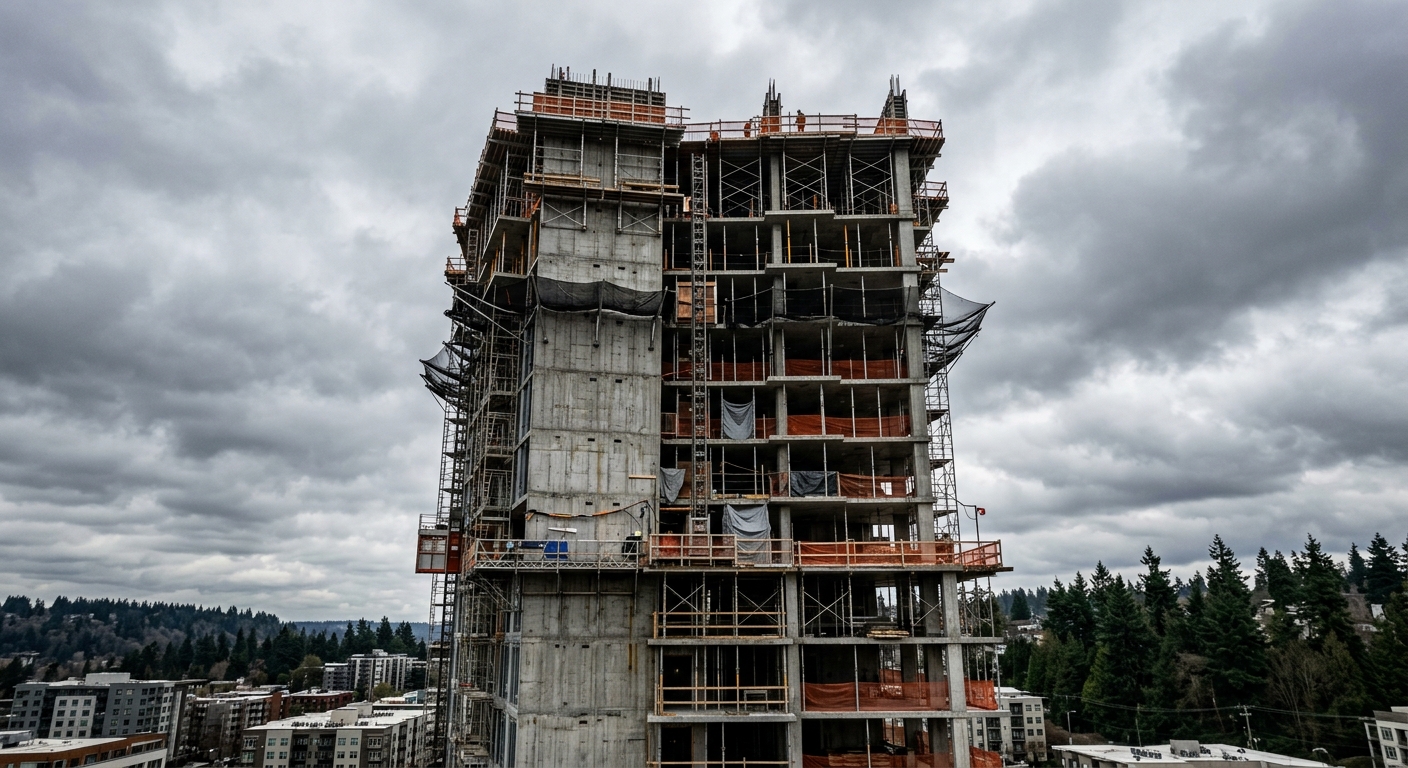
Chicago-based CRG is requesting permission to install an 18-foot-tall pergola and a rooftop recreation area atop its 14-story Alder Chapter tower, currently under construction. The addition would push the building’s total height to approximately 169 feet—well beyond the standard eugene building height cap of 150 feet for the neighborhood. The project, featuring 133 units and 491 beds, aims to meet growing demand for student housing development within walking distance of the university campus.
Senate Bill 1537: The Law Shaping Housing Construction
CRG’s strategy relies on Oregon’s new SB 1537 law, passed in 2024. This housing construction law grants cities discretion to waive certain development restrictions—such as development height limits—in cases where such rules might make new residential projects financially unfeasible. The developer contends that the planned rooftop amenity is not just an architectural statement, but an essential component for attracting residents and ensuring the project’s viability amid rising construction costs.
Waiver Sparks Legal and Planning Discussions
City officials in Eugene acknowledge that state statutes now require waivers when denying one would threaten a project’s feasibility, a shift that redefines local planning control. However, the application raises specific questions about the distinction between rooftop mechanical spaces—which are building code exemptions in local ordinances—and rooftop features designed for residential enjoyment, like the proposed pergola and recreation space. If approved, Alder Chapter would become the second tallest structure in Eugene, second only to the historic Ya-Po-Ah Terrace building downtown.
Alder Chapter Tower: A New Landmark for Student Living
The alder chapter tower is a prominent example of real estate development activity catalyzed by the state’s push for increased housing supply. With its modern design, extensive amenities, and proximity to campus, the tower is positioned to attract students seeking contemporary, community-focused accommodations. The inclusion of a rooftop amenity deck, while architecturally appealing, also reflects evolving expectations for shared spaces in urban residential projects.
Balancing Housing Needs and City Height Cap
The deliberations in Eugene underscore ongoing efforts to balance local zoning autonomy against the urgent need for new housing options. For neighborhoods near the University of Oregon and throughout the region, projects like Alder Chapter highlight the tension between traditional city height caps and a new policy landscape shaped by the sb 1537 law. Regional housing agencies and local advocates view such initiatives as crucial steps toward alleviating housing pressures, particularly for the student population.
Broader Impacts Across Oregon
The outcome of Eugene’s building height waiver review could influence future building code exemption requests and set a precedent for other cities watching how the law is implemented. As housing shortages remain a central concern in Oregon, the intersection of real estate development, legislative reform, and community values continues to shape the prospects for sustainable growth in cities like Eugene and beyond.