- calendar_today September 24, 2026
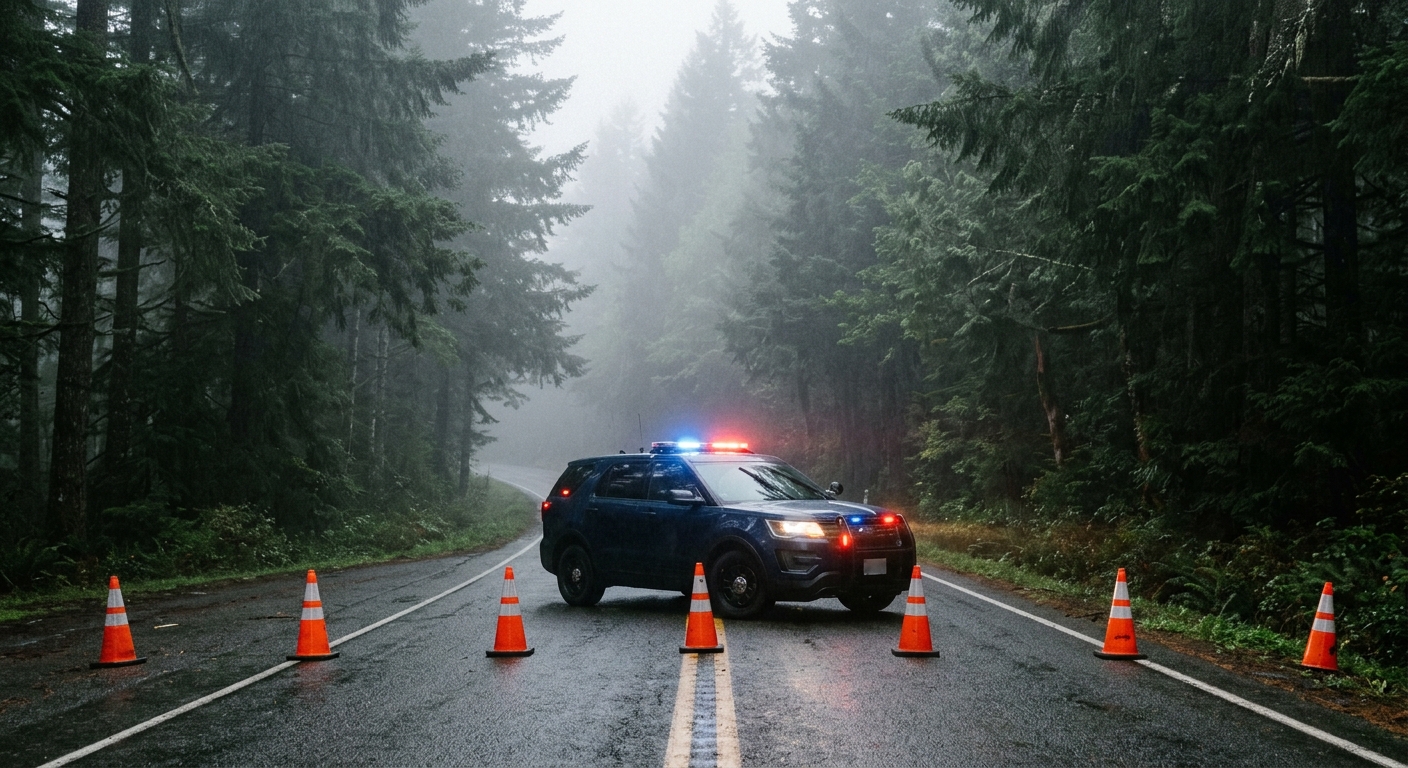
Oregon is confronting new challenges as an increasing population of elderly drivers raises concerns over road safety. A recent head-on collision involving an 88-year-old man underscores the risks older adults may face and pose on the state’s roadways. With the demographic shift bringing more seniors behind the wheel, both local authorities and families are evaluating the best ways to ensure safe driving for everyone in the community.
Demographic Trends and Rising Risks
Recent CDC statistics reveal a marked uptick in licensed drivers aged 65 and older. In Oregon, this mirrors a national trend, as many choose to remain active and independent well into their eighth and ninth decades. However, with more seniors retaining driving privileges, the number of traffic accidents involving this age group has also increased. According to data, drivers over 70 have higher fatality rates in crashes, often due to increased physical vulnerability and pre-existing medical conditions.
Driver License Renewal and Safety Measures
State regulations have adapted to address these growing risks. In Oregon, drivers aged 65 and above are required to renew their driver licenses in person and must pass a vision test as part of the driver license renewal process. These steps aim to ensure that those behind the wheel maintain the necessary acuity and motor skills for the demands of modern traffic conditions. Despite these precautions, the capacity for driver safety among older adults often depends on honest self-assessment and clear communication with family and medical professionals.
Monitoring and Reporting: The At Risk Driver Program
To further support community safety, Oregon’s at risk driver program allows physicians and concerned citizens to report individuals who may no longer be able to drive safely. After a report is filed, the Department of Motor Vehicles may require further evaluation to determine ongoing fitness to drive. This process, while sometimes difficult for families, serves a vital role in balancing autonomy for older adults with the safety of the broader public.
Transportation Alternatives for Seniors
For those reassessing their abilities or seeking additional options, Oregon communities offer a diverse array of senior transportation services. Ride alternatives such as complimentary bus services, paratransit, and rideshare programs have become increasingly accessible. Walking, where safe and feasible, also provides an alternative aligned with maintaining physical health. These solutions not only help mitigate the high costs associated with accidents but also promote safer travel for all.
Community Resources and Family Conversations
Families, healthcare providers, and local agencies play an essential role in guiding seniors toward safe mobility decisions. Open dialogue about safe driving habits, regular medical check-ups, and vision assessments help foster a culture of proactive planning. Oregon’s resources—including statewide safety campaigns and accessible transit options—support elderly citizens in maintaining independence while placing a strong emphasis on public well-being.
Prioritizing Safety and Responsibility
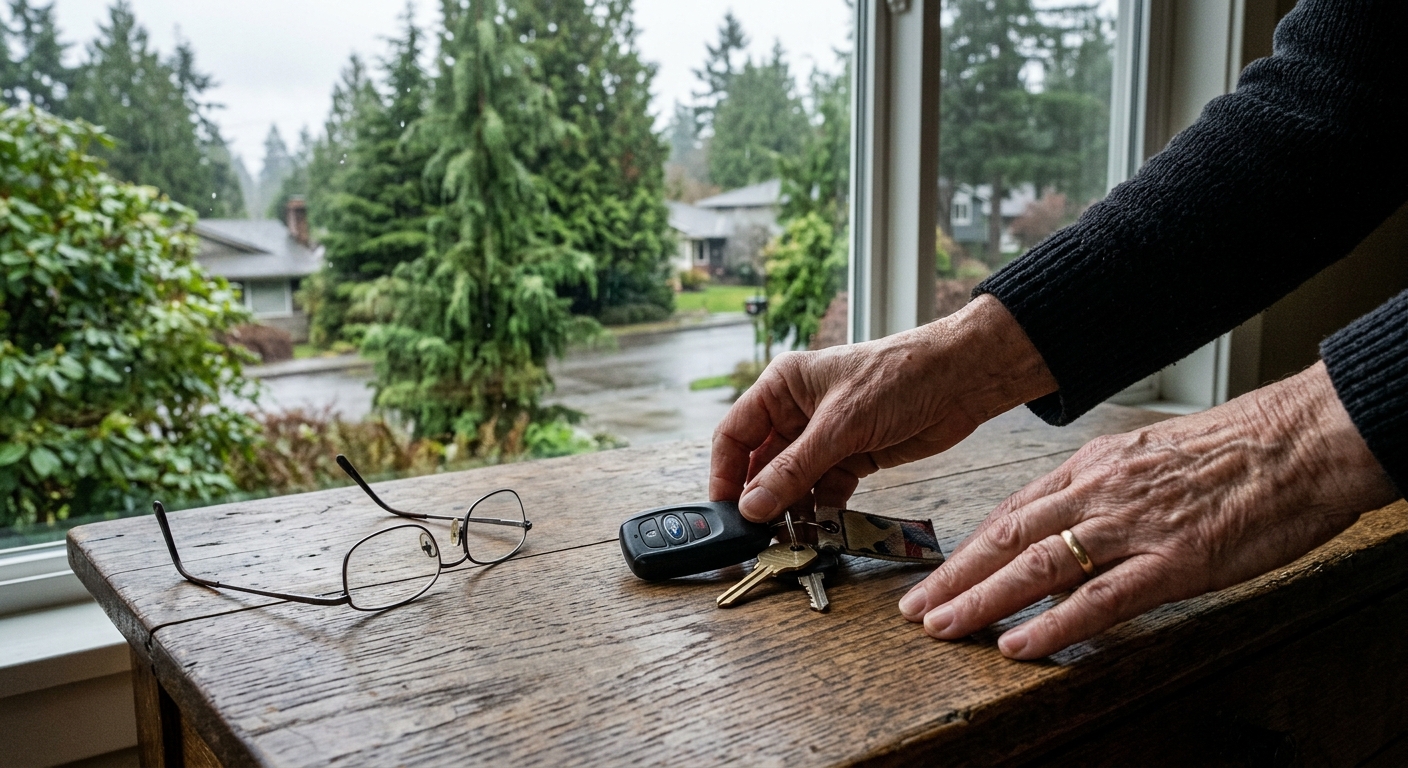
The message to Oregon’s elderly drivers is clear: regular evaluation of one’s abilities behind the wheel is essential. By considering alternative transportation choices and participating in state safety programs, older adults demonstrate responsibility for themselves and their communities. As the region faces an aging population, continuing to balance personal mobility with collective safety will be a key priority for years to come.