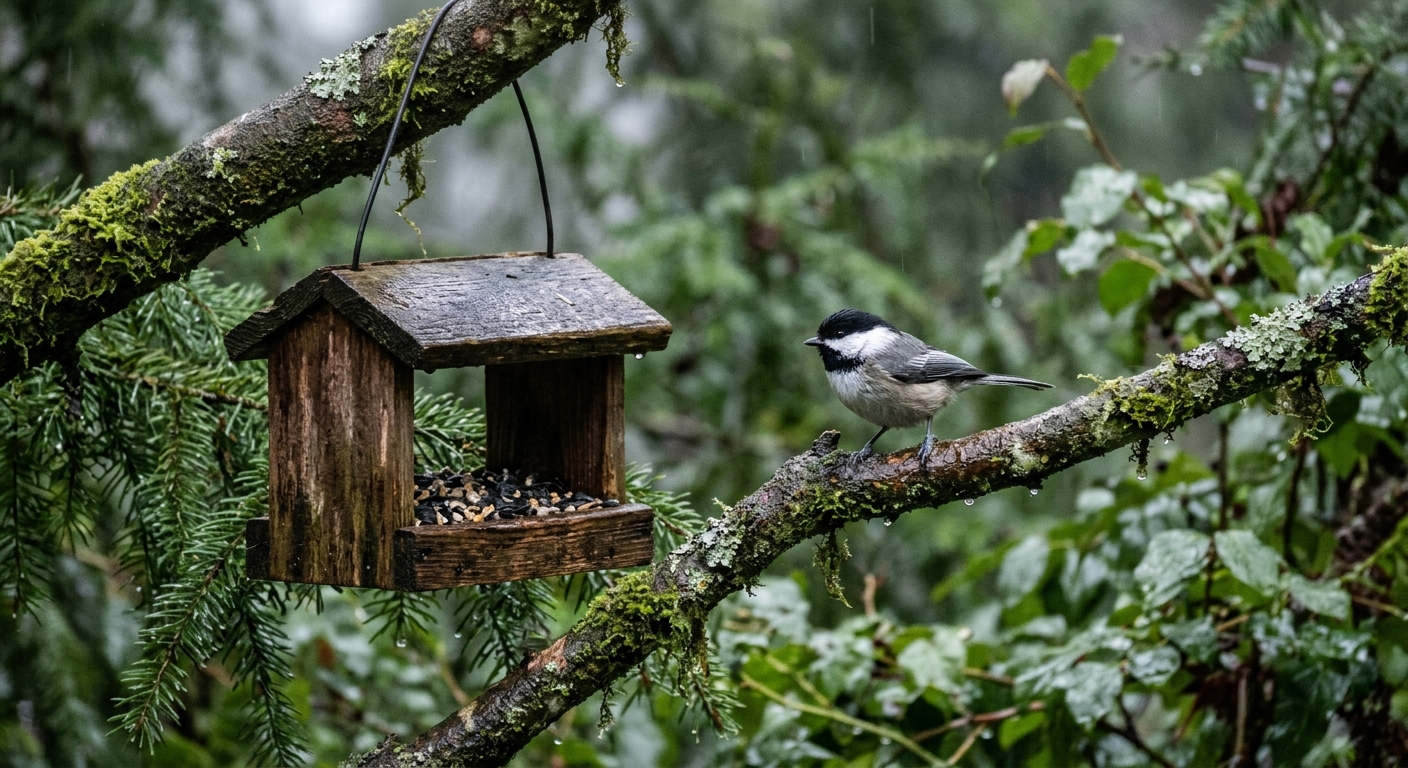
AI-generated illustration; not a photograph of the reported event.
- calendar_today November 6, 2026
Winter Birds Arrive After Migration
As November arrives, many bird species conclude their seasonal migrations and settle into winter habitats. For some, this means recovering from the exhaustion of long-distance travel, while others recuperate from the high energy demands of raising their young. Birds at this time seek out safe places to regain weight and complete feather molts necessary for protection against colder temperatures.
Estuaries and Local Wetlands: Vital Winter Habitats
Along the coast, estuaries provide excellent recovery spots for water birds such as ducks and geese. Nearby city locations, like Eugene’s Delta Ponds and Fern Ridge Reservoir, also serve as important habitats with slow-moving waters and food-rich shorelines. These areas support not only water birds and shorebirds, but also predatory species—hawks and eagles may take advantage of accessible food sources found near these environments.
Ground Foragers and Feeding Guilds
Various sparrows, including golden-crowned and white-crowned sparrows, actively forage along bushy creek banks, in wild patches of parks, and in gardens where the landscape remains slightly untamed. Birds such as spotted towhees are also part of these ground-based forager groups. As autumn progresses, birds become less secretive than during nesting season, often venturing further from safety to find food.
Among the small bird species, black-capped chickadees are often the "ringleaders" of mixed-species feeding guilds. They frequently lead groups of chestnut-backed chickadees, kinglets (ruby-crowned and golden-crowned), and both red-breasted and white-breasted nuthatches to proven food sources. Because chickadees are non-migratory residents, their knowledge of feeding territory is trusted by other species.
Chickadees: Sentinels of the Winter Flock
Chickadees play a special role as sentries in these mixed-species flocks, sounding loud “dee-dee-dee-dee-dee” calls to alert others to potential threats. The intensity and rapidity of their calls can help gauge the level of danger in the area. Watching and listening for chickadees can lead bird watchers to observe a variety of other winter birds, including kinglets, nuthatches, woodpeckers, creepers, and warblers.
Finch Irruptions and Nomadic Movements
Many finch species, such as pine siskins, red and white-winged crossbills, and evening grosbeaks, traditionally winter in the far north unless food supplies—specifically pine, spruce, and fir seed cones—become insufficient. These birds are nomadic rather than strictly migratory, moving in response to food availability. Such large-scale, food-driven movements into new areas are known as "irruptions." Bird researchers track these patterns, especially on the eastern side of North America. The “Finch Forecast Network” (FinchNetwork.org) offers updates and projections on these events.
Additional Winter Arrivals and Feeding Tips
Other bird species that can appear in November include Townsend’s warblers, which are small, vibrantly colored black and gold birds that favor suet-type foods. They are often seen with larger groups of yellow-rumped warblers clad in their muted winter feathers. Both species frequently participate in feeding guilds organized around chickadees.
Winter typically brings increased activity to bird feeders as colder weather and dwindling natural food sources drive birds to seek reliable alternatives. Insect-eating species and others are particularly fond of suet when insects become scarce. Maintaining suet feeders can attract woodpeckers, bushtits, and warblers, along with expected visitors like chickadees and nuthatches.
Seed feeders are popular with finches, chickadees, and nuthatches, while sparrows prefer to feed on the ground beneath them. Finches, being nomadic, may appear in large numbers for a week or so before moving on to new locations in search of food.
Conclusion: Bird Watching and Feeding in Winter
As birds adapt to the challenges of winter, maintaining diverse feeders with fresh suet and seeds can benefit a variety of species. Bird watchers can look forward to observing dynamic interactions among feeding guilds, irruptive finch visits, and the expressive behavior of chickadees during the colder months.
Source: eugeneweekly.com.