- calendar_today May 19, 2026
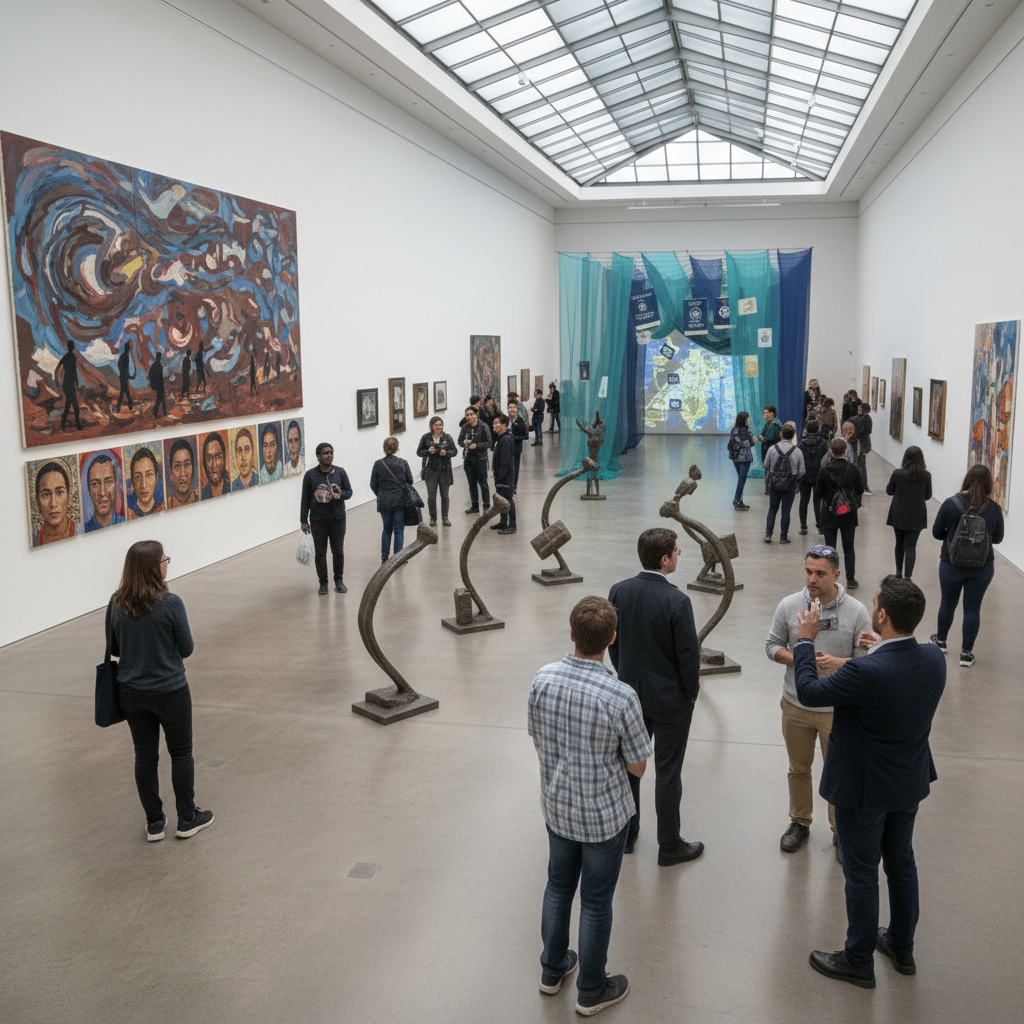
New England audiences are invited to immerse themselves in ancient literature and modern artistry with The Odyssey Project, an art exhibition at the University of New Hampshire Museum of Art. Using Emily Wilson’s groundbreaking translation of the odyssey as its foundation, the show sparks conversation around migration, identity, family, and human resilience—relevant themes for regional communities both past and present.
A Contemporary Take on The Odyssey’s Timeless Journey
With the odyssey undergoing a recent transformation through Emily Wilson’s modern translation, the exhibition finds its point of departure. The translation, celebrated for its clear language and subtle feminist perspective, casts new light on the epic’s hierarchies and gender dynamics. This version resonates with today’s audiences in New England, highlighting not just ancient adventures but also universal human struggles that persist through generations.
Female Artists Reimagining Ancient Literature
Curated by a female artist-run book club, the exhibition champions the perspectives of female artists who draw inspiration from both the literal and symbolic passages of the odyssey. Their work explores the worlds of penelope and odysseus, reflecting on endurance, patience, and the often-unseen trials of those left waiting amidst sweeping journeys. By giving voice to women historically overshadowed in ancient literature, the exhibition creates a platform for reinterpreting these narratives for contemporary audiences.
Exploring Migration, War, and Identity
The exhibition examines migration through works such as those by Sterling Mulbry, who highlights journeys and upheaval that evoke present-day experiences across New England. Artists Carla Munsat and Carol Greenwood delve into the effect of time and absence on relationships, echoing the emotional depth felt by characters in Homer’s tale. The inclusion of migration as a key theme links the odyssey’s ancient voyages with current conversations about displacement and belonging.
Art Interpretation Through Multiple Mediums
Works featured span painting, sculpture, mixed media, and installation. Jane Kamine and Jennifer Moses, for instance, draw direct parallels between the epic’s long passage home and the challenges faced by those uprooted by forces beyond their control. Such art interpretation encourages visitors to consider themes of displacement, resilience, and hope from both historical and personal perspectives. The result is an exhibition that honors tradition while celebrating creative, cross-disciplinary inquiry within the university and wider community.
Bridging Ancient Stories With Modern Translation
The project underscores the importance of modern translation in making ancient stories accessible and impactful. Emily Wilson’s translation of the odyssey enables broader dialogue on questions of power, gender, and identity, topics at the heart of both the exhibit and ongoing discussions across New England. Throughout the gallery, references to odysseus and penelope invite viewers to reflect on the relevance of Homer’s characters in today’s world, challenging audiences to find connections between their own experiences and those of legendary figures.
Community Engagement and Lasting Impact
Crucially, The Odyssey Project fosters collaboration between departments at the university of new hampshire and surrounding communities, demonstrating the value of cross-disciplinary engagement. In doing so, the exhibition not only honors the past but also sparks new conversations around inclusion, artistry, and belonging. By encouraging dialogue across varied backgrounds and viewpoints, this art exhibition seeks to celebrate the shared human spirit and build bridges for future exploration of culture in New England.