- calendar_today May 19, 2026
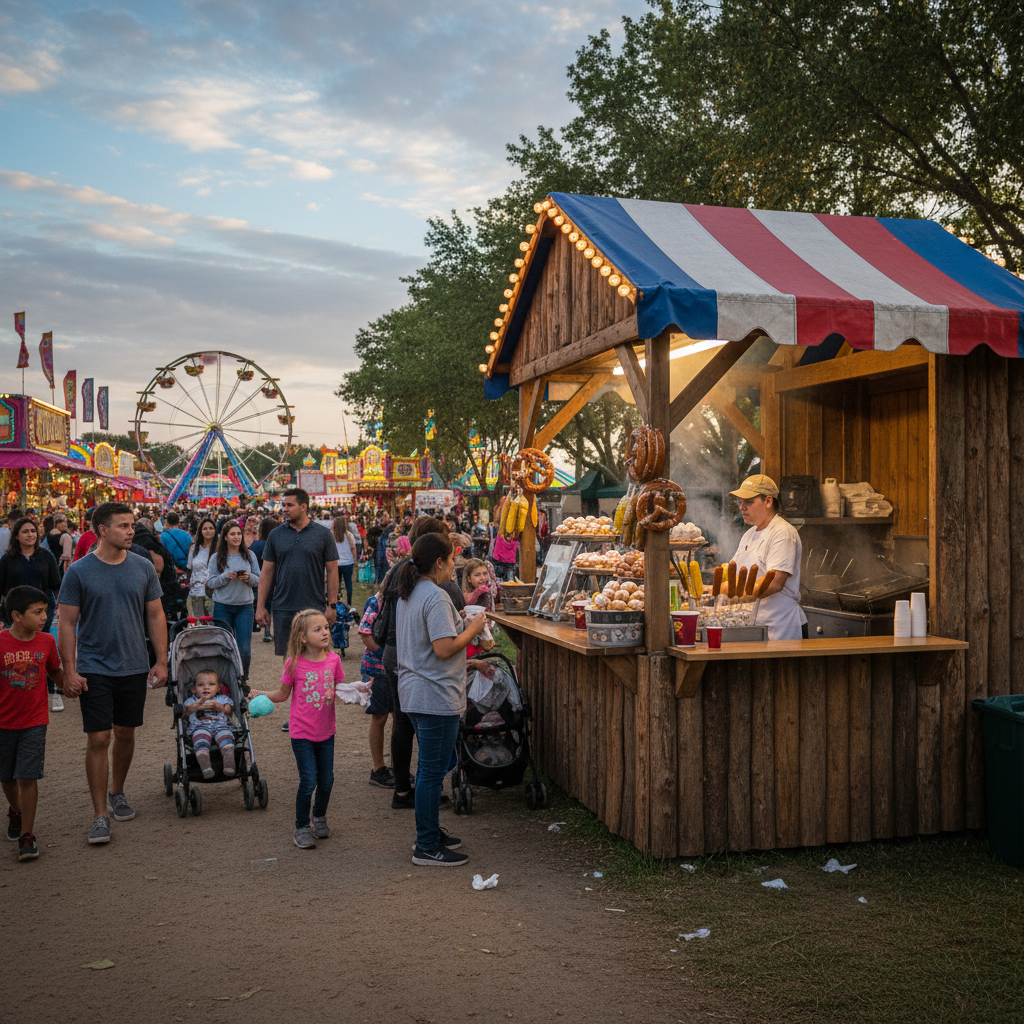
The North & South Carolina region will see significant changes at one of its most anticipated events, as state fair vendors at the NC State Fair adjust to a new vendor fee structure that moves away from a traditional flat rate system. The fair’s administration announced that, beginning this year, fees will be calculated as 15% of gross food sales after sales tax—a shift with wide-reaching implications for regional vendors and the broader fair experience.
Transition from Flat Rate to Food Sales Percentage
Previously, food vendors were charged a predictable flat fee of $180 per foot of frontage, a familiar model that allowed small businesses to calculate expenses in advance. With the adoption of a food sales percentage system, vendors are now required to pay 15% of their gross receipts instead. This new approach, commonly used in states like South Carolina and Ohio, aims to better align the NC State Fair with industry practices and potentially increase fair revenue for facility improvements.
Vendor Fees Spark Concerns Among Small Businesses
The announcement has generated apprehension among small food vendors who worry that higher vendor fees could jeopardize their continued participation. For some, unpredictable costs may lead to increased menu prices or even reductions in staff—issues that have far-reaching effects on local employment and the regional economy. Although the fair administration believes these changes will support needed upgrades, such as new restrooms and air conditioning, the burden for individual businesses is front of mind for many food stand operators.
Mandated Point of Sale System and Vendor Auditing
Under the new regulations, all vendors will be required to utilize a designated point of sale system. This will electronically track transactions, creating a transparent record that is monitored by an independent auditor. The implementation of a vendor auditing process is designed to promote fairness and vendor transparency, but also raises questions about privacy and procedural integrity among vendors accustomed to the older system.
Food Vendor Challenges and Community Impact
The changes arrive with little lead time, contributing to the sense of unease among longstanding fair participants. Many food vendors are evaluating how these adjustments may impact their relationship with regular fairgoers in North & South Carolina, and whether their operations remain viable under the new fee structure. For some, absorbing higher vendor costs may mean passing expenses onto customers or rethinking staffing levels, resulting in tough choices for small businesses eager to maintain their presence at a cornerstone regional event.
Fair Revenue to Fund Facility Improvements
Fair officials point to the necessity of generating additional fair revenue in order to fund critical facility upgrades, enhance the visitor experience, and keep the event competitive at the state and national levels. Planned improvements include air conditioning throughout key venues and the addition of modern restrooms, answering long-standing requests from attendees and vendors alike. The revenue from vendor fees is also earmarked for a year-round food hall—an indoor, climate-controlled space meant to attract both locals and tourists beyond the fair’s standard schedule.
Ensuring Compliance Through Electronic Tracking
Alongside electronic point of sale requirements, the fair is introducing secret shoppers and independent monitors to ensure accountability under the new system. The move is intended to foster fairness among state fair vendors and reinforce vendor transparency, ensuring all participate equally in supporting fair improvements. For local communities, this means continued access to favorite food stands—if businesses can weather the transition.
Looking Forward: Vendor Resilience and Regional Tradition
As North & South Carolina state fair vendors prepare for the upcoming season, the stakes are high for both long-time family operations and new entrants. How well businesses adapt to food vendor challenges, from integrating new technology to managing fee increases, will shape the fair’s landscape in years to come. While the industry-wide adoption of a sales percentage model presents undeniable challenges, it also lays groundwork for future investment in facilities—including the proposed food hall—and a strengthened tradition that brings communities together each year.