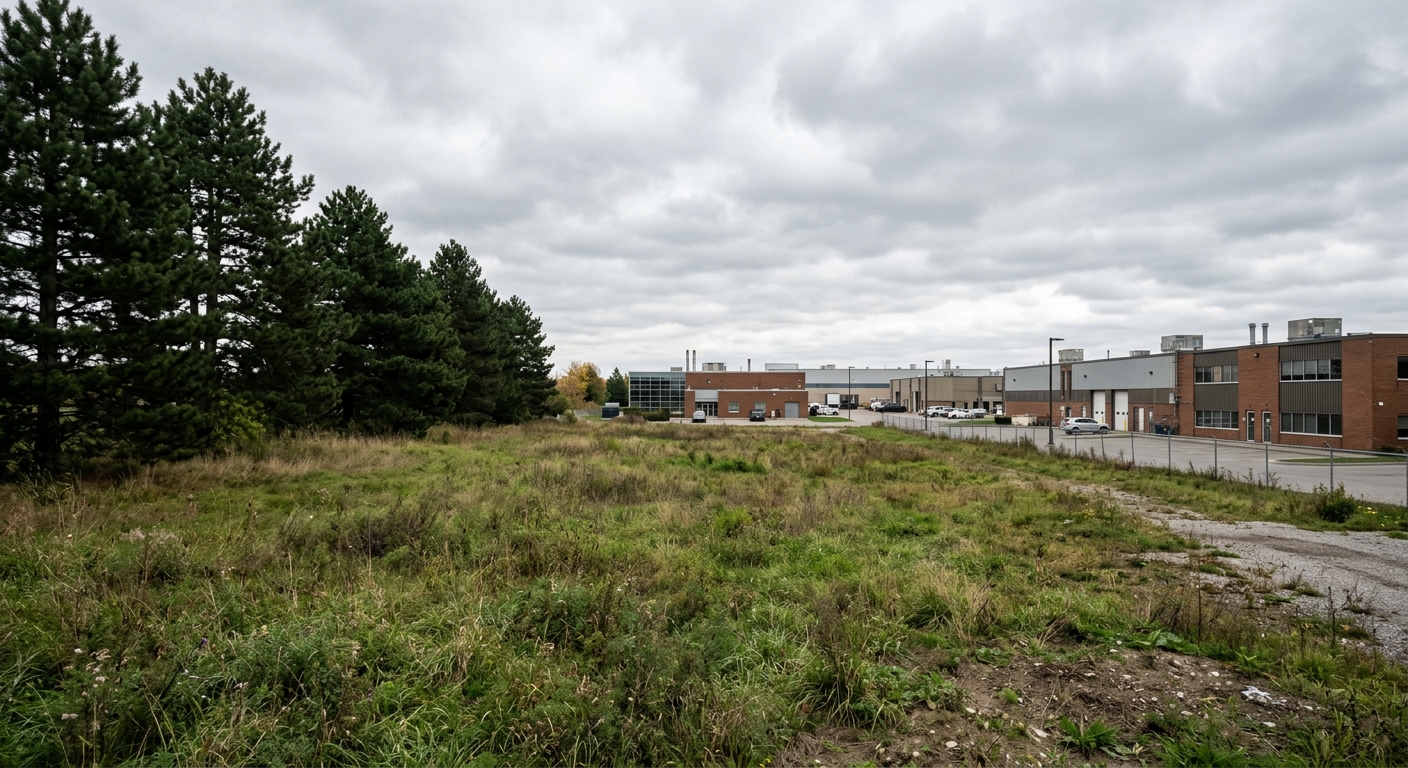
AI-generated illustration; not a photograph of the reported event.
- calendar_today October 25, 2026
Public Voices Flood Springfield City Council Ahead of Key Decision
In the lead-up to a crucial Nov. 2 deadline, the Springfield City Council has received an influx of emails and letters regarding the proposed behavioral health campus in Gateway. Over 200 residents from Springfield and the surrounding region have weighed in, making this one of the most engaged council matters in recent memory. The council is tasked with granting land-annexation approval for PeaceHealth and Lane County's International Way project.
Strong Community Support for the Behavioral Health Campus
Public records indicate overwhelming support for the proposed mental health facility. Since September, 185 individuals and several community groups have submitted comments in favor of the complex, compared to just seven opposed. The supporters include families affected by mental illness or suicide, members of law enforcement, healthcare professionals, and local artists. The Lane County sheriff, retired police officers, and the entire board of the Lane County Medical Society are among those who wrote to the council. Additionally, PeaceHealth encouraged its employees to submit their opinions.
Retired Springfield Police lieutenant Russ Boring stated, "Jails and emergency rooms have become the primary sources of care for Lane County residents with the most severe mental health conditions." He believes the facility would relieve the burden on these institutions.
Opposition Highlights Zoning Dispute and Neighborhood Concerns
Despite widespread community support, opposition remains. The most vocal critics are two companies with interests near the proposed International Way site and a business group, Common Sense for Springfield. The group argues that the planned behavioral health campus is inconsistent with the site's "campus industrial" land-use designation, raising concerns about potential disruption by patients and increased traffic.
Common Sense for Springfield, led by Joe Tokatly and Brian Wells, emphasized in its comments, "A planning system loses credibility if an application that does not satisfy [the city’s] standards can nevertheless advance because the applicant is a governmental entity, the project is popular, or sufficient political pressure is brought to bear." Some local residents echoed similar concerns about the potential impact on the neighborhood and the broader community.
Council Navigates Legal and Land-Use Complexities
City councilors have been divided over which legal and land-use criteria should guide their decision. Public attendance at council hearings earlier in the year was modest, with most commentary focused on annexation by stakeholders, including PeaceHealth, Lane County, and nearby property owners. The debate centers on whether the city must reject the application due to zoning restrictions or can approve it based on community benefit and broader land-use interpretations. A state “super-siting” law passed in 2025 has further complicated matters by limiting Springfield’s ability to deny the project, though council annexation remains required.
Personal Stories Drive the Debate
Both supporters and opponents have shared personal experiences in their public comments. Lane County Sheriff Carl Wilkerson noted that current resources force deputies to respond to behavioral health crises, emphasizing the model’s success elsewhere. Springfield residents cited the difficulties families face during mental health emergencies, and others highlighted potential economic benefits if the community receives better mental health care.
Opponents, including the business group Common Sense for Springfield and residents like Holly Conway, fear a decline in neighborhood safety and worry that the project may serve patients from outside the area. Nurse Deborah Cater expressed concern that the local community alone cannot address the national mental health crisis, warning the project may attract more people in need than the region can serve.
Awaiting the Council’s Verdict
The Springfield City Council closed its official record on July 11, meaning recent public comments may not be formally considered. As the Nov. 2 decision looms, the fate of the behavioral health campus—comprising a planned 96-bed PeaceHealth psychiatric hospital and a 28-bed Lane County emergency behavioral health center—remains uncertain. The debate underscores the ongoing tension between urgent community mental health needs and local zoning and development policies.
Source: eugeneweekly.com.