- calendar_today May 23, 2026
Atlantic Canada—In a major development for climate science and policy, researchers have officially retired the RCP 8.5 emissions scenario, signaling a significant shift in how future climate change risks are assessed and projected across the region and beyond.
RCP 8.5: The Former Worst-Case Scenario
For nearly a decade, the RCP 8.5 scenario served as the benchmark for worst-case projections in climate change modeling. This emissions scenario envisioned a world where fossil fuels remained the primary energy source, resulting in a global temperature rise of around 4.3°C by the end of the century. The extreme forecast shaped public understanding and climate policy decisions, including those in Atlantic Canada, where coastal communities have been particularly attentive to risks of sea-level rise and intense weather events.
Why RCP 8.5 No Longer Applies
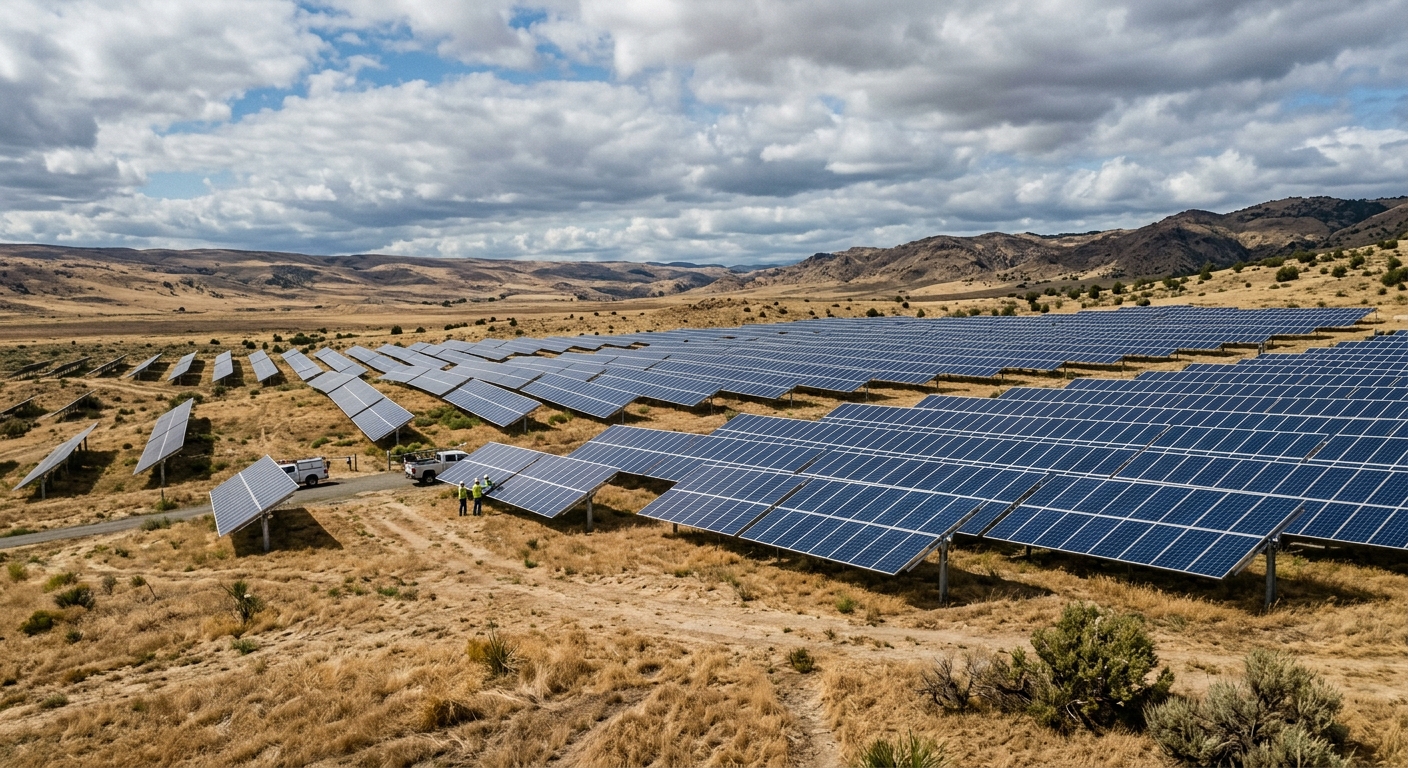
Recent scientific reviews reveal that RCP 8.5 is no longer considered plausible. Climate scientists, such as Zeke Hausfather, attribute the shift to clear evidence: the declining cost and widespread adoption of renewable energy—from wind turbines to solar panels—and evolving climate policy frameworks on local, national, and international levels. As nations take concrete steps to reduce greenhouse gas emissions, the likelihood of the unchecked emissions portrayed in RCP 8.5 has diminished.
Updated Climate Projections for the Century Ahead
The retirement of RCP 8.5 does not mean the threat of global warming has passed. Climate projections now point to a future with an expected temperature rise between 2.5°C and 3°C by 2100, assuming current trends in climate mitigation persist. Rick Smith, president of the Canadian Climate Institute, cautioned that while the most catastrophic model is off the table, significant risks from climate change still face communities in regions like Atlantic Canada, where adaptation and resilience planning remain crucial.
The Role of Climate Policy and Renewable Energy
Effective climate policy and investments in renewable energy are instrumental in shaping more optimistic climate projections. Across Atlantic Canada, provincial governments, municipalities, and grassroots organizations are investing in offshore wind and other clean technologies, reflecting the upward trajectory of climate action. These efforts, combined with global energy transitions, have helped avert the continuous rise in carbon emissions modeled by high-end scenarios such as RCP 8.5.
Emissions Scenarios: Shaping Regional Strategies
The use of robust emissions scenario modeling remains vital for developing effective adaptation policies. While RCP 8.5 may have been retired, a suite of other climate scenarios helps planners, researchers, and policymakers anticipate local impacts. Atlantic Canadian stakeholders are leveraging these models to inform flood management, infrastructure upgrades, and coastal protection programs, prioritizing long-term sustainability in the face of changing climate benchmarks.
Future Uncertainties and the Need for Vigilance
Despite the reassessment of high-end projections, the risk of policy reversal or unforeseen increases in fossil fuel consumption remains. Hausfather and other climate experts warn that setbacks—such as those described as a “very Trumpian future”—could upend recent progress. Continued vigilance and commitment to climate mitigation are essential to securing further emissions reductions and safeguarding Atlantic Canada’s environment and communities.
Conclusion: Pivoting Towards Realistic, Proactive Climate Action
Retiring the RCP 8.5 emissions scenario marks a turning point in the way scientists, policymakers, and Atlantic Canadian communities approach climate change. While the probability of the previous worst-case projections has decreased, the urgency for robust climate action remains. Regional collaboration, investment in renewable energy, and realistic climate scenarios will be vital tools as Atlantic Canada navigates an evolving global landscape, committed to mitigating and adapting to the persistent challenge of rising global temperatures.