- calendar_today May 23, 2026
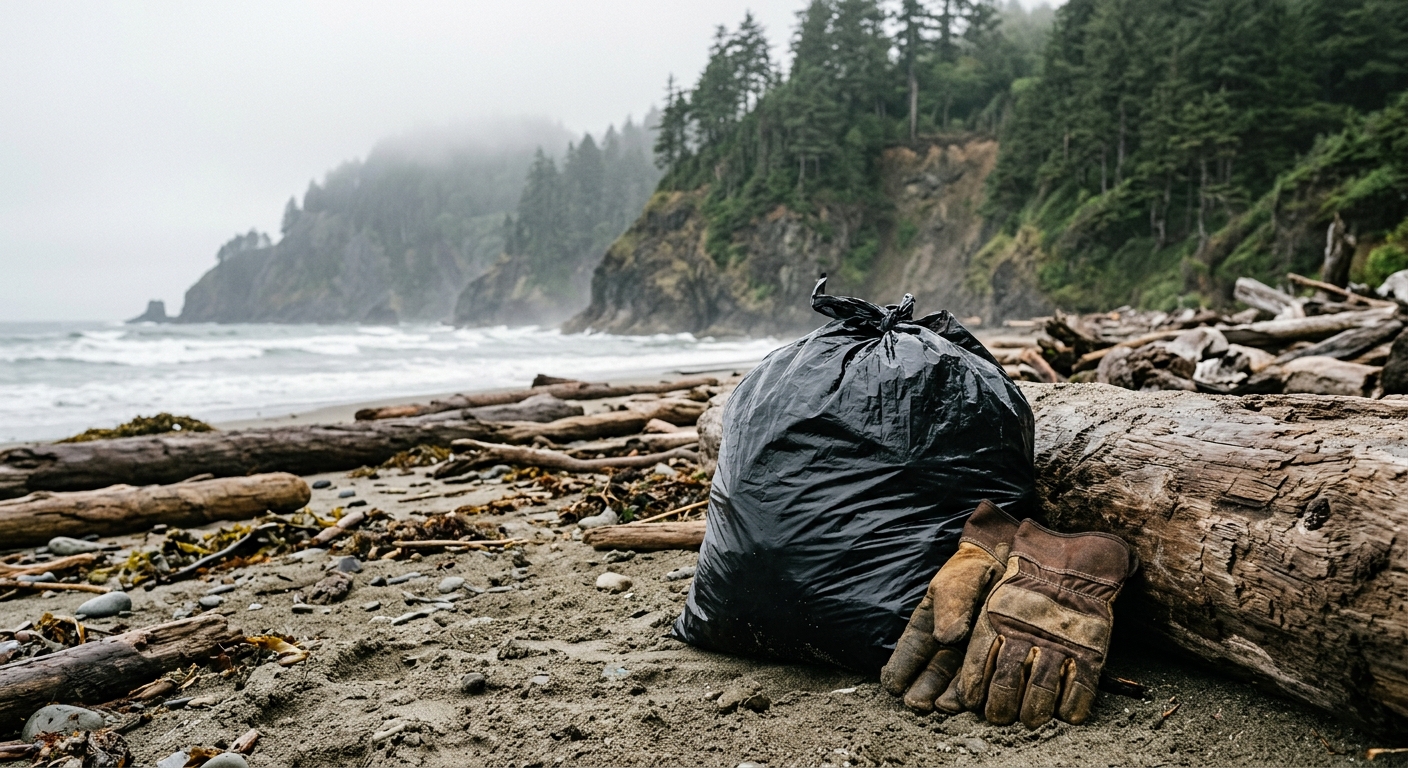
BRITISH COLUMBIA – Managing plastic films has become an increasingly urgent concern for communities across British Columbia, as local governments and environmental organizations respond to the growing risks these materials pose to ecosystems. As soft, stretchy plastics—such as grocery bags and bubble wrap—continue to enter regional landfills, stakeholders are stepping up initiatives to curb related waste and encourage responsible disposal.
The Scale of Plastic Film Waste
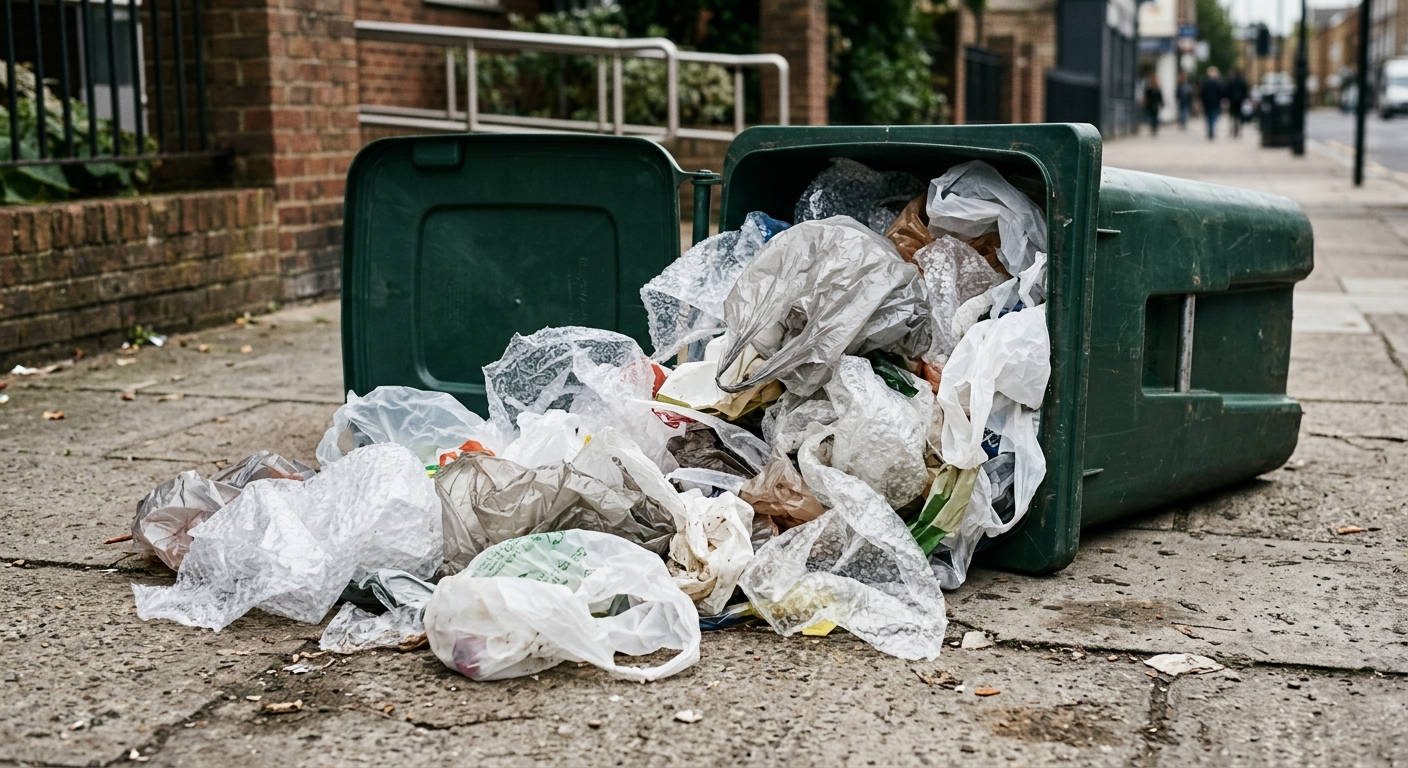
Recent statistics reveal that over 3 million tons of soft plastics, primarily in the form of plastic films, entered landfills in the United States in 2018. In British Columbia, similar trends persist, with curbside collection systems challenged by the improper inclusion of grocery bags and plastic wrap. These materials tend to clog recycling machinery, undermining the effectiveness of existing plastic waste management programs and increasing municipal processing costs.
Risks from Improper Plastic Bag Disposal
Environmental experts in British Columbia warn that throwing plastic films—including polyethylene plastics—into curbside recycling does more harm than good. Such plastic bag disposal errors can disrupt sorting systems and put recycling staff at risk. Moreover, improper management increases the threat of microplastics pollution, as plastic films break down slowly and leach microscopic particles into local waterways and soil over time.
Proper Recycling and Drop-Off Solutions
Advocates stress that the best way to handle recycling plastic films is to separate eligible materials and bring them to official plastic recycling dropoff sites. In British Columbia, many grocery and convenience stores offer designated bins for films labeled with recycling codes 2 or 4. These targeted collection points provide a safer route for managing polyethylene plastics, as the films can be processed into new materials by partner organizations.
Innovative Organizations Making a Difference
Several companies and community groups, such as those inspired by national leaders like Trex and Precious Plastic NYC, have developed programs to repurpose plastic films. These initiatives divert grocery bags and similar items from landfills, converting them into durable park benches, decking, and other useful products. Such interventions align with British Columbia’s long-term goals for a more circular economy and reduced reliance on single-use plastic packaging alternatives.
Reducing and Reusing in Local Communities
Alongside recycling, public awareness campaigns encourage British Columbia residents to reduce their consumption of plastic packaging. Advocates recommend bringing reusable totes to stores and declining unnecessary wrapping to cut waste at the source. For plastics already in circulation, reusing plastic bags for other purposes—such as trash liners or storage—prolongs their usefulness and helps defer disposal. These small steps, when adopted broadly, strengthen the overall impact of plastic waste management strategies across the province.
Progress and the Road Ahead
While perfect recycling remains a challenge, British Columbia continues to bolster its efforts through local policy updates, partnerships, and public engagement. Officials highlight that even modest changes in daily habits—such as choosing plastic packaging alternatives and following correct plastic bag disposal guidelines—can yield significant environmental benefits. As the region remains alert to the risks of microplastics pollution, experts maintain that community education and collective responsibility are central to sustainable progress.
Moving Forward with Plastic Films in British Columbia
Success in tackling plastic films depends on collaboration among residents, businesses, and policymakers. By emphasizing reduction, reuse plastic bags, and utilizing local plastic recycling dropoff options, British Columbia demonstrates a commitment to minimizing harmful plastic waste. With continued innovation and community support, the region sets a positive example for responsible management of soft plastics and beyond.