- calendar_today August 1, 2026
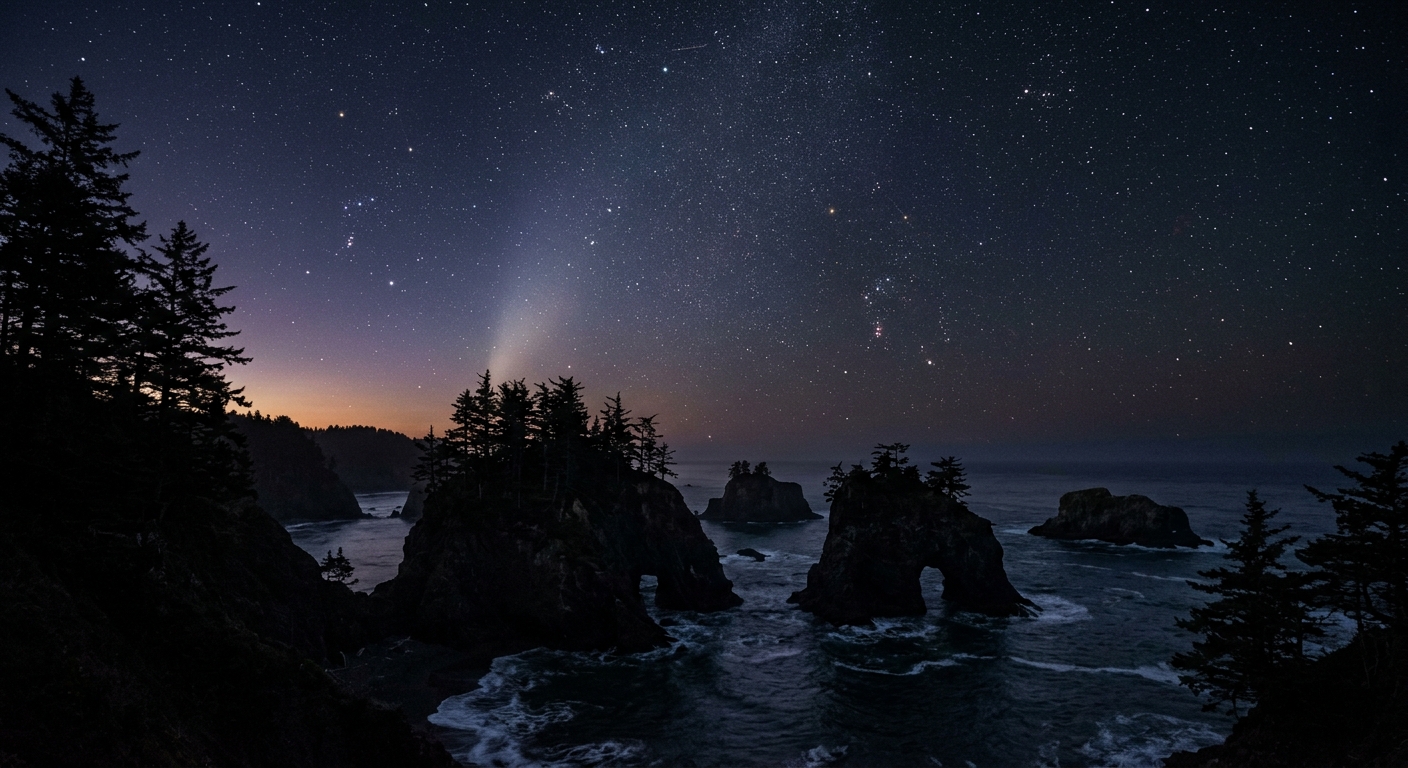
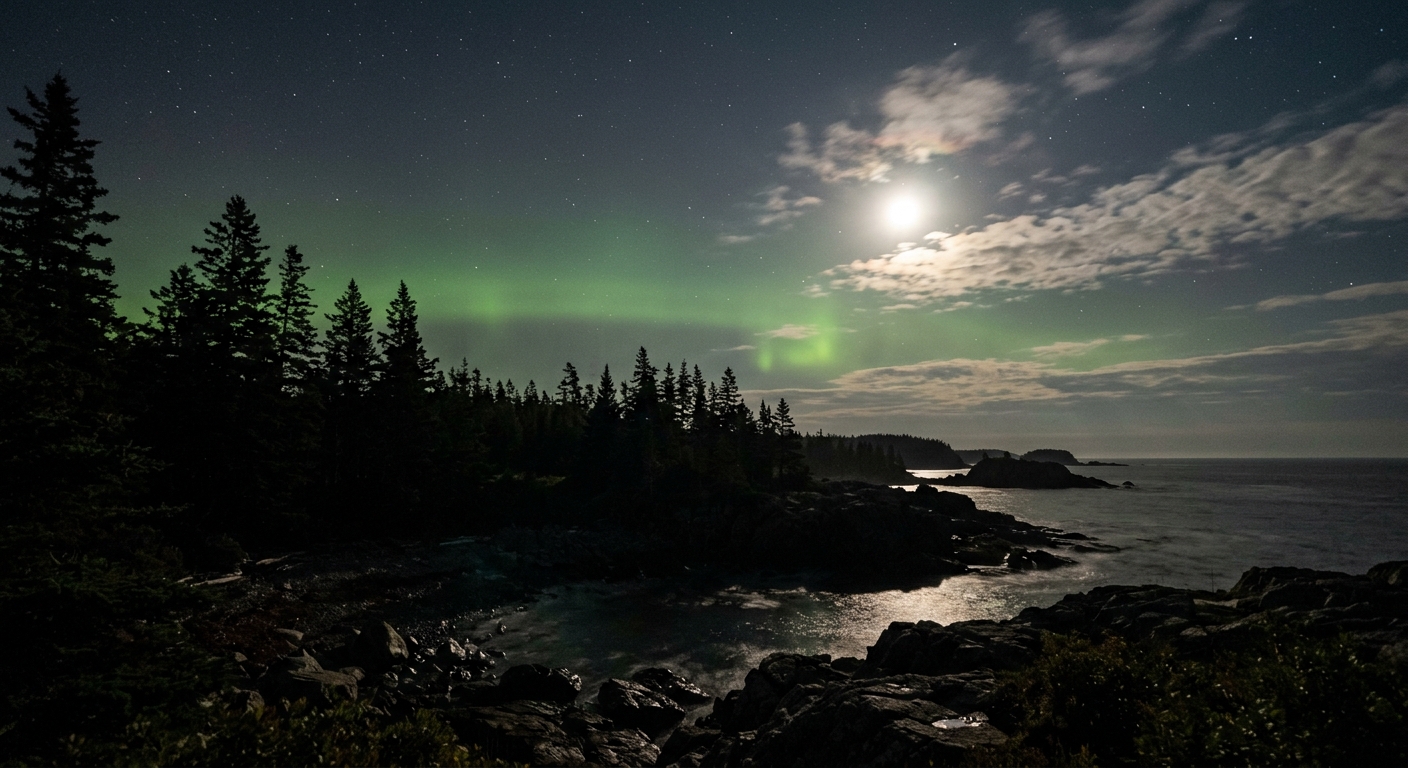
The Oregon region could be treated to a rare display in the night sky this weekend as a geomagnetic storm driven by a coronal mass ejection from the sun heads toward Earth. Forecasts suggest the aurora borealis may become visible in the Pacific Northwest, with low but notable chances for Oregon’s residents to witness this natural phenomenon.
Geomagnetic Storm Watch Issued for Pacific Northwest
The Space Weather Prediction Center has declared a moderate G2-level geomagnetic storm watch for Saturday evening. This elevated activity is directly linked to a recent coronal mass ejection, which has triggered concerns—and hopes—among skywatchers in Oregon and throughout the Pacific Northwest.
Peak Aurora Borealis Activity and Viewing Window
According to current aurora forecasts, the most favorable timeframe for aurora visibility is expected between 10 p.m. Saturday and 1 a.m. Sunday. The best chances will occur before moonrise, as the near-full moon is anticipated to rise around the same period, producing significant moonlight interference and reducing the visibility of faint northern lights.
Where to Watch: Oregon Coast and Inland Communities
Communities along the Oregon coast, as well as cities such as Portland and Salem, may have the best opportunities for aurora viewing—particularly during the narrow window before the landscape is washed with moonlight. While the odds are higher for residents of Washington, parts of northern Oregon could still experience brief glimpses of the aurora borealis, depending on local meteorological conditions and celestial timing. Observers are encouraged to seek out dark locations away from city lights to improve their chances.
Role of Meteorological Conditions and Moonlight Interference
Meteorological conditions will play a crucial role in this weekend’s aurora viewing experience. Clear skies are essential, as cloud cover can easily obscure any activity. Additionally, the anticipated moonlight interference from a near-full moon will diminish the contrast required to spot subtle auroral displays. These factors combined mean that, while possible, sightings are likely to be brief and reserved for optimal viewing locations in the Pacific Northwest.
Historical Context and Space Weather Outlook
Although the likelihood for Oregon residents to observe the aurora borealis remains modest, similar geomagnetic storm events in recent years have produced surprising sightings. The region’s regular position just south of the typical auroral oval places it on the edge of such dramatic sky shows. The Space Weather Prediction Center maintains up-to-date space weather prediction resources to help track real-time aurora forecasts and storm progress.
Tips for Maximizing Aurora Visibility in Oregon
- Monitor the latest aurora forecast updates and geomagnetic storm alerts.
- Check local meteorological conditions for clear skies.
- Seek out locations along the Oregon coast or rural inland areas away from artificial light sources.
- Plan to view the sky just before moonrise for the best aurora viewing conditions.
Resources and Final Recommendations
For those hoping to catch a glimpse of the aurora borealis, various national and regional agencies offer real-time aurora forecasts and updated local weather data. While the anticipated G2-level geomagnetic storm is unlikely to produce widespread displays, skywatchers in Oregon have a rare weekend opportunity that underscores the dynamic nature of our space environment and the Pacific Northwest’s connection to these celestial events.