- calendar_today May 22, 2026
Arizona — The ongoing conflict over maricopa county elections has entered a critical phase as the July 21 primary approaches, bringing heightened scrutiny to electoral processes throughout Arizona. A heated legal dispute between Maricopa County Recorder Justin Heap and the Maricopa County Board of Supervisors has put the authority to control ballot drop boxes and election oversight in the spotlight, revealing deeper challenges in preparing for upcoming votes in the state’s most populous region.
Clash Over Ballot Drop Box Control
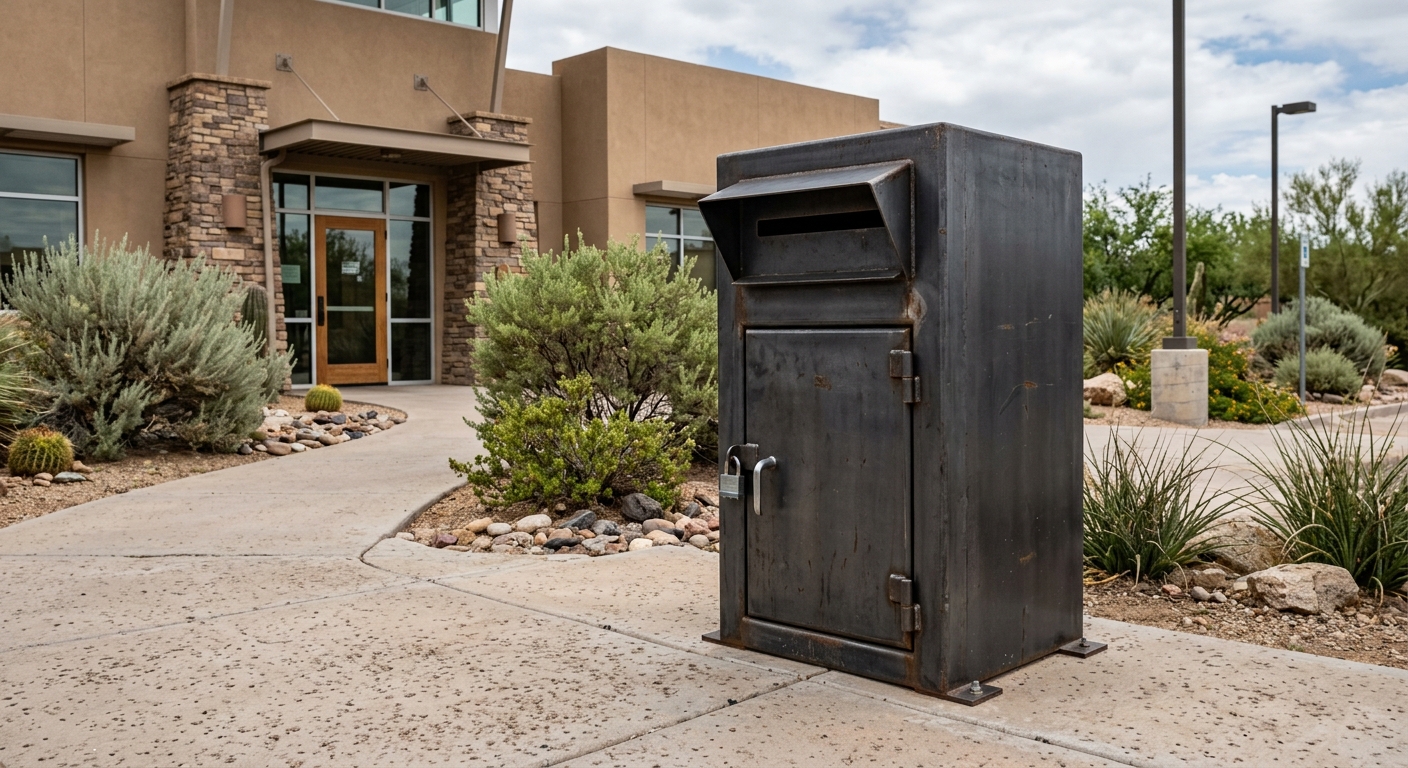
Tensions reached new heights this week when Recorder Justin Heap, citing his interpretation of state election laws, asserted that only his office was authorized to select ballot drop box locations. Heap’s legal representatives issued a written warning to the Board of Supervisors, cautioning that the use of what he deemed unauthorized ballot drop boxes could expose county officials to potential ballot harvesting charges. This move came despite the state’s formal election rulebook giving county supervisors the designated power to approve early voting locations for maricopa county elections.
Supervisors Respond to Heap’s Claims
The Maricopa County supervisors responded sharply, denouncing Heap’s actions as politically motivated and potentially destabilizing for local election administration. In a rare display of unity, the board moved forward to unanimously approve the proposed drop box sites, underscoring their commitment to maintaining public trust in maricopa county elections despite the ongoing legal dispute. “This is not the time for political posturing,” one supervisor stated, emphasizing the need to protect Arizona voters’ access to early voting locations across the region.
Legal Ambiguities and Recent Court Rulings
The public disagreement is rooted in longstanding ambiguities over election oversight, complicated further by a recent court decision that partly supported Heap’s claims. However, the ruling did not fully clarify whether county supervisors or the recorder’s office has ultimate control over critical aspects of election administration. Both offices have since expressed uncertainty about their readiness to conduct the primary election 2026 and beyond, each citing ongoing legal battles and strained cooperation as significant obstacles.
Implications for Election Integrity
This dispute has wide-ranging implications for the integrity of maricopa county elections. Officials across Arizona warn that a lack of clearly delineated roles could jeopardize the efficiency and reliability of early voting locations, increase the risk for ballot harvesting charges, and sow doubt among voters. Such uncertainty comes at a crucial moment, as Arizona prepares for the high-stakes primary election and seeks to restore public confidence following recent national attention on ballot drop boxes and election oversight practices.
Calls for Resolution Across Arizona
Local institutions, election officials, and civic organizations throughout Arizona have urged prompt resolution to the mounting conflict. Many point to the need for clear, collaborative processes between county supervisors and the recorder’s office to uphold state election laws and organizational responsibilities. Without a sense of stability and mutual trust, experts warn that election administration may face further disruption at a pivotal time, potentially complicating voter participation and logistical operations in maricopa county elections.
The Path Forward for Voters
As the region approaches the July primary, Maricopa County residents continue to watch the unfolding situation closely. Stakeholders across Arizona are calling for clear guidance on early voting sites and ballot drop boxes, while leaders work to safeguard the voting process against legal challenges. The outcome of this dispute will not only determine who oversees ballot collection measures today—it will also set a precedent for election oversight and operational effectiveness for future cycles, including the primary election 2026.