- calendar_today July 21, 2026
Oregon Faces Widespread Wildfire Smoke and Heat Advisories
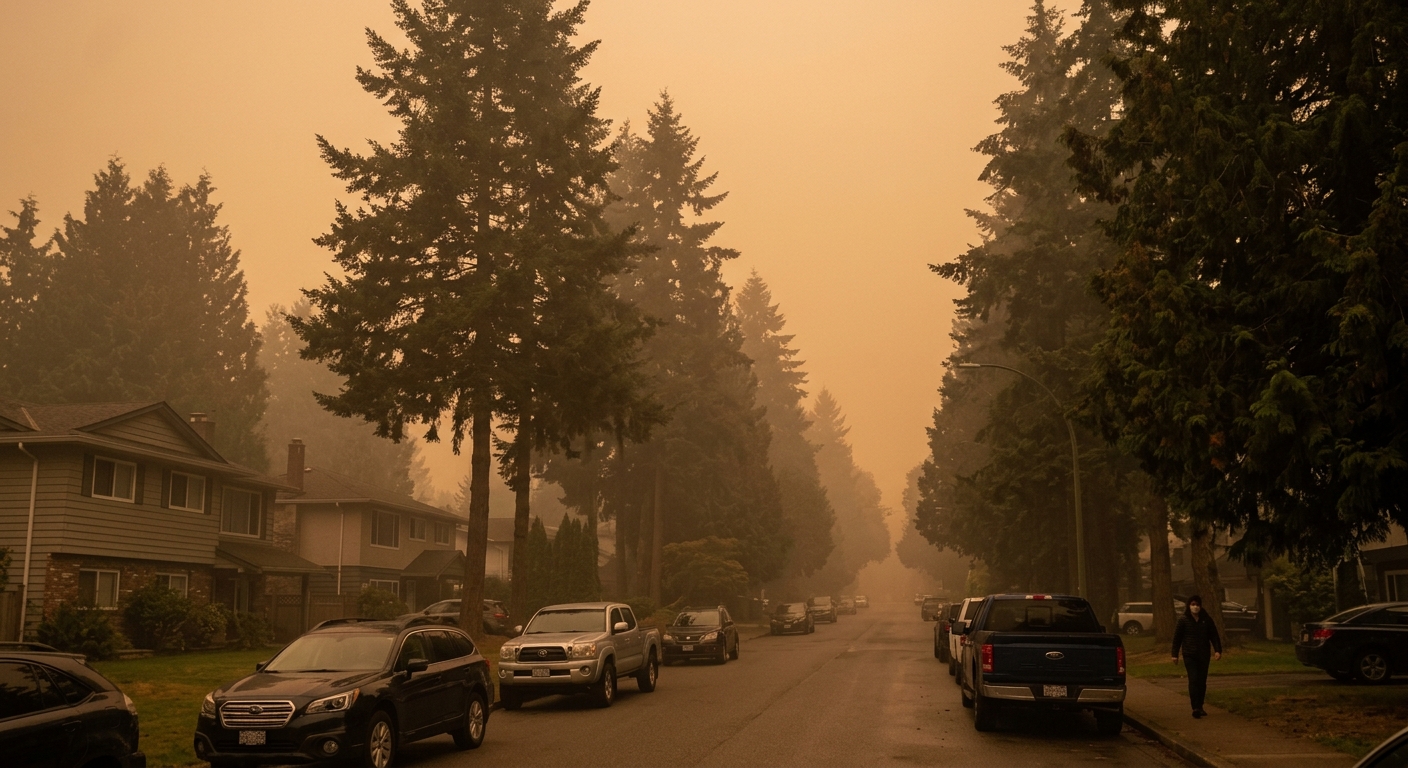
Communities across Oregon, including the Willamette Valley, Portland Metro area, and the Columbia River Gorge, are contending with deteriorating air quality as wildfire smoke blankets the region. With rising temperatures compounding concerns, state agencies have issued a series of alerts aimed at keeping residents safe amid the challenging summer weather conditions.
Air Quality Alerts Issued in the Willamette Valley and Central Oregon
The Oregon Department of Environmental Quality has released urgent air quality advisories for multiple counties in eastern and central Oregon. Areas such as Prineville, Bend, and La Grande are under warnings due to unhealthy pollutant levels caused by wildfire smoke. The concentration of particulate matter has pushed regional air quality into categories considered harmful to sensitive groups, and the overall air quality index continues to reflect deteriorating conditions throughout the day.
Wildfire Pollution Elevates Health Risks
Medical experts warn that the ongoing wildfire pollution poses elevated health risks, particularly for individuals with pre-existing heart or lung conditions. According to the National Weather Service and regional health authorities, those most vulnerable should take extra precautions to limit outdoor activities. It is recommended that residents keep children indoors and watch for signs of breathing difficulties or other effects of smoke exposure.
Heat Advisories Intensify Regional Alerts
In addition to wildfire smoke, the National Weather Service has placed several areas under heat advisories. Beginning Tuesday morning and lasting through Wednesday night, communities in the Columbia River Gorge, Portland Metro, and southwestern Washington are expected to see high temperatures between 95 and 100 degrees. This combination of intense heat and declining air quality increases the potential for heat-related illnesses among vulnerable populations.
Weather Forecast: When Relief May Arrive
The latest weather forecast anticipates that increased cloud cover and lingering smoke may marginally lower temperatures in some localities. Nevertheless, the persistent air quality and heat concerns remain significant. Meteorologists predict that the worst impacts of the wildfire smoke will dissipate from Portland and its surrounding areas by Tuesday night, while communities in central Oregon are likely to experience heavy smoke for a longer period. The Oregon and Washington coastlines, however, are being spared from the smoke and continue to offer a respite from hazardous conditions inland.
Precautions and Regional Safety Recommendations
State officials and weather agencies urge Oregonians to stay informed by monitoring local Oregon alerts and to heed recommendations designed to minimize exposure to both smoke and extreme heat. Key strategies include remaining indoors whenever possible, utilizing air conditioning or air purifiers, and keeping windows closed to prevent infiltration of wildfire smoke. The National Weather Service emphasizes the importance of checking on elderly relatives and neighbors, as they are particularly susceptible to both heat advisories and poor air quality.
Community Resources and Support
Local resources, such as county health departments and community centers, are mobilizing to address the growing need for clean air shelters and cooling centers. The Willamette Valley and other affected regions continue to collaborate with state agencies to deliver timely updates and assistance. Additionally, with the weather forecast predicting persistent wildfire pollution in central Oregon, residents are encouraged to utilize public communications channels for the latest information on air quality and health risks.
Staying Safe Amidst Extreme Conditions
As Oregon faces another stretch of challenging weather with wildfire smoke and high temperatures, communities across the state remain vigilant. Residents are advised to follow guidance from official Oregon alerts, monitor ongoing changes in air quality, and prioritize limiting smoke exposure as much as possible. For many households, coastal areas of Oregon and Washington offer a safe haven from both the poor air quality and extreme heat this week.