- calendar_today May 20, 2026
In Tennessee, the Nashville Electric Service (NES) has ignited a vigorous public debate with the introduction of its updated NES tree trimming policy, which aims to enhance power reliability but has raised concerns among community members and environmental advocates.
Stricter Tree Trimming Policy Takes Effect
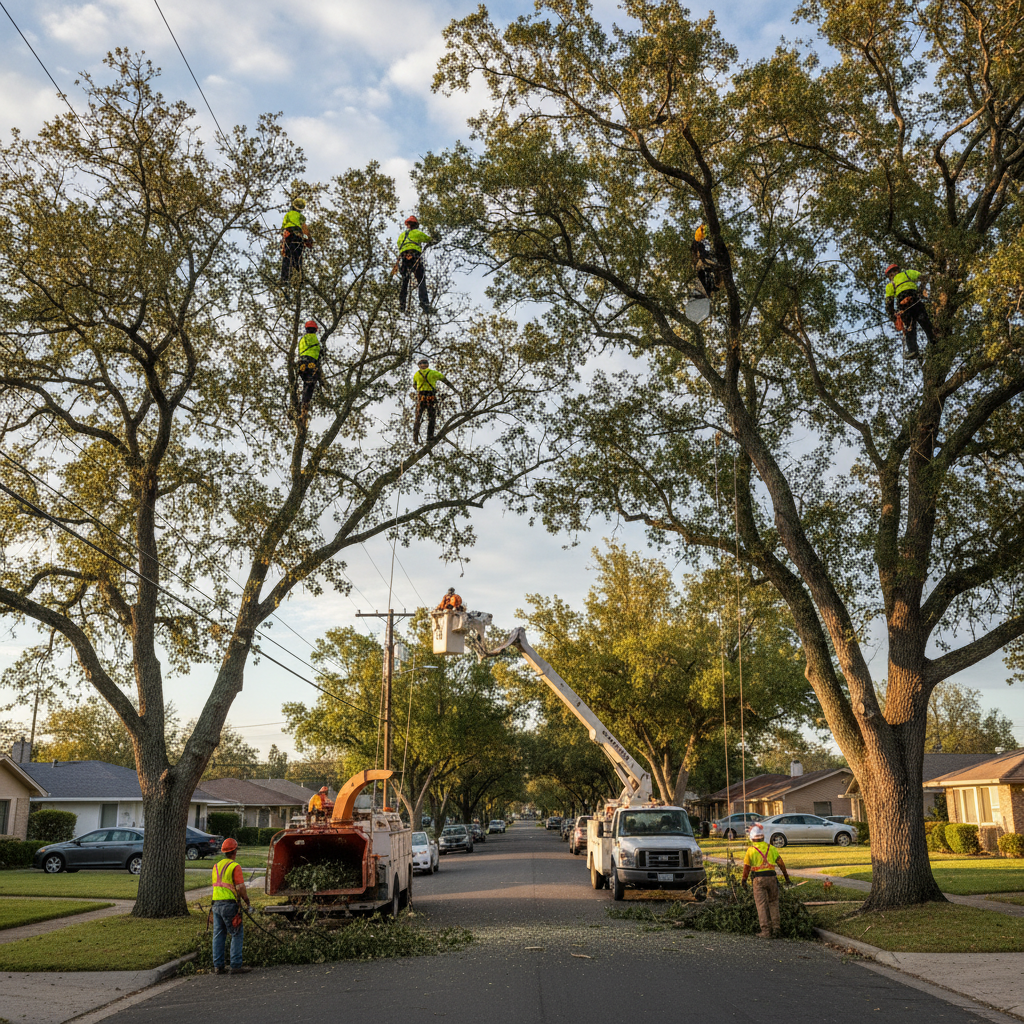
After a devastating ice storm struck the region in early 2026, NES revised its tree trimming policy to increase the required power line clearance from 10 to 15 feet. The move, NES officials say, targets the prevention of outages similar to those experienced when nearly half of Nashville lost power in January, exposing vulnerabilities in Tennessee’s infrastructure during severe weather events.
Community Pushback and Council Concerns
Despite the technical rationale for the expanded nes trimming rules, members of Nashville’s Metro Council are calling for a temporary halt to the current approach. Councilmember Brenda Gadd emphasized the necessity of a tailored strategy that factors in tree species’ growth rates and actual risks to electrical lines, requesting more transparency in policy decisions. Local residents have joined the chorus, reporting instances of aggressive trimming and irreparable harm to bushes and mature trees with minimal threat to the grid.
Environmental Impact: Threat to the Urban Canopy
Tennessee environmental leaders warn that the aggressive policy might critically weaken the state’s urban tree canopy. The winter storm earlier in the year led to the loss of tens of thousands of trees, and watchdog groups argue that further vegetation removal will have long-lasting environmental repercussions. Councilmember Burkley Allen reinforced these worries, highlighting the role of the city’s greenery in regulating temperatures, improving air quality, and providing economic benefits to neighborhoods.
Balancing Power Safety with Tree Conservation
The tree trimming controversy in Nashville captures a challenging balance: safeguarding the electric grid from future ice storms while preserving critical natural resources. Environmentalists stress that a robust urban forest mitigates the effects of storm damage trees and helps the city meet climate adaptation goals. The NES approach, however, is defended by some for its directness in improving service reliability and potentially curbing restoration costs following extreme weather.
NES Stands by Vegetation Management Practices
Even as Metro Council members advocate for dialogue and reconsideration, NES intends to maintain its current schedule of nes vegetation management. Utility officials cite longstanding tree pruning guidelines designed to minimize outages while prioritizing public safety. The agency has pledged to engage with neighborhoods about upcoming trimming but maintains the revised standards are essential given the lessons learned from recent disaster recovery efforts.
Dialogue and Policy Reevaluation on the Horizon
The debate comes at a time when urban development and ecological stewardship are increasingly in focus for Tennessee’s growing communities. Local organizations are urging for comprehensive tree conservation plans to ensure that the state’s tree canopy is protected for generations. The ongoing discussions between the NES, councilmembers, and the broader public demonstrate the complexity of implementing infrastructure resilience measures within a framework that also values environmental health.
Looking Forward: Striking a Sustainable Balance
As Tennessee continues to respond to severe weather and expand its infrastructure, the outcome of the nes tree trimming debate will serve as a blueprint for resolving conflicts between safety imperatives and green priorities. The willingness of stakeholders to adjust nes trimming rules and incorporate scientific and community input will likely determine the future health of the region’s tree-lined streets and neighborhoods.