- calendar_today July 30, 2026
Oregon‘s youth urban forestry initiatives are making a lasting impact on local communities, as the Northwest Youth Corps (NYC) continues to engage hundreds of young Oregonians through its Youth Urban and Community Forestry program. Each summer, nearly 1,000 students between ages 15 and 18 take part in hands-on conservation, tree care, and leadership development, enhancing both urban green spaces and their own future prospects.
Empowering Oregon’s Next Generation of Conservation Leaders
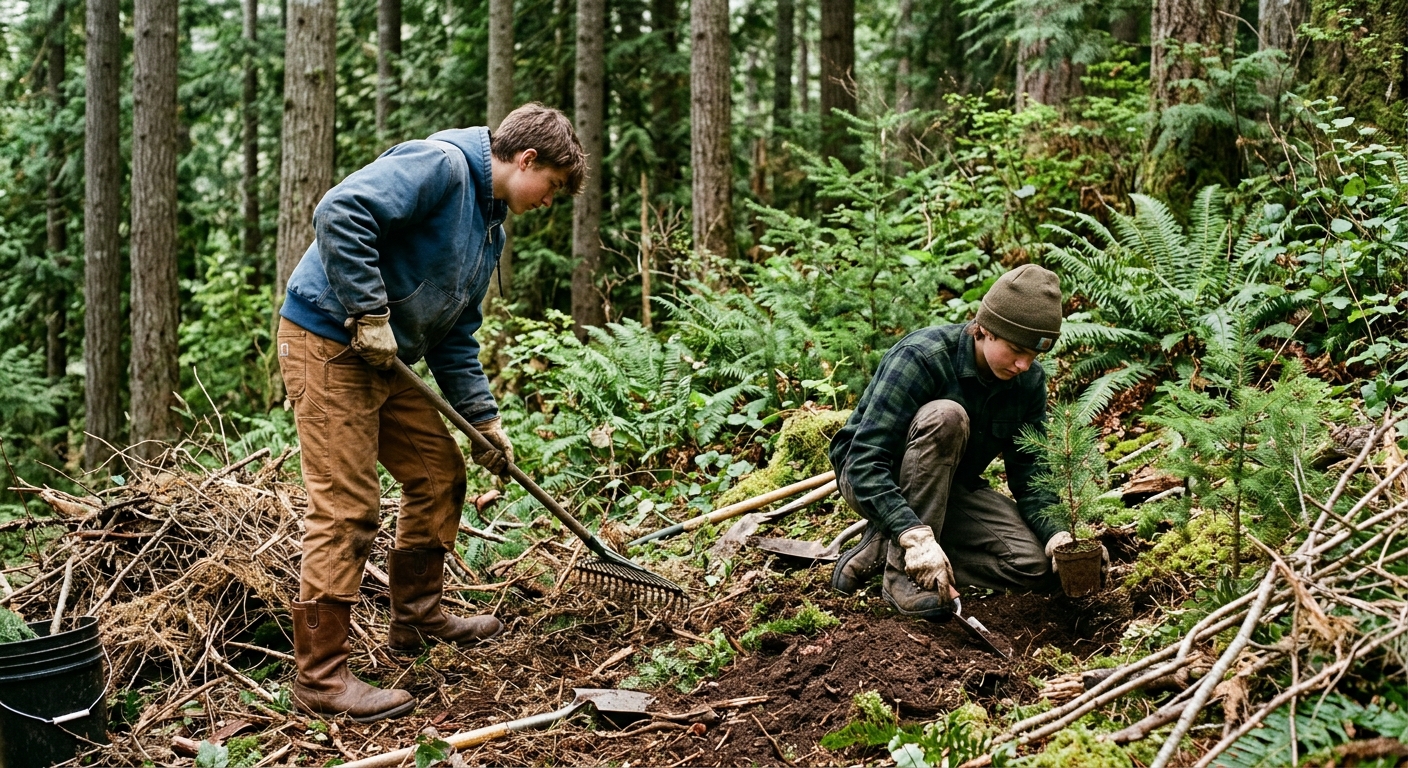
At the heart of Oregon’s urban forestry progress is the youth urban forestry program facilitated by NYC, which connects ambitious teens to real-life science and natural resource management. Across five- to 12-week sessions, participants contribute to environmental restoration projects like biodiversity protection, fire risk reduction, and tree maintenance—all under the guidance of experienced mentors from NYC and its partners.
Program Structure: Learning, Leading, and Serving Communities
And through youth conservation crews, young Oregonians not only serve their communities but receive valuable stipends and the opportunity to earn high school credit. Training covers everything from safe power tool operation to ecosystem science, ensuring each student builds both practical knowledge and vital leadership skills. According to NYC leadership, participation is accessible to most students, as the cost to public agencies is minimal or nonexistent.
Key Partnerships and Regional Impact
The success of the urban forestry program relies on robust partnerships. NYC regularly collaborates with organizations such as the Bureau of Land Management and Willamalane Park and Recreation District. Teams have assisted with projects ranging from storm cleanup and tree inventory creation to more advanced efforts in wildfire risk reduction and urban forest health management. These initiatives serve not only metropolitan areas but also smaller Oregon communities invested in community forestry and local environmental stewardship.
Support from Federal Grants and Expanding Funding Sources
Currently, the program is buoyed by a five-year, $12 million forest service grant from the USDA, emphasizing wildfire prevention and the expansion of urban forest resources. This funding supports not only direct conservation work, but also educational components that expose teens to the realities of natural resource management careers. Despite anticipated delays in federal funding for 2025, NYC leadership remains optimistic, underscoring the organization’s strategy to diversify income through philanthropic support and new public service contracts.
Measurable Outcomes and Growing Environmental Awareness
In 2025, the program set a high bar: over 979 young participants collectively logged more than 200,000 hours supporting Oregon’s ecological resilience. From environmental restoration efforts in parks to urban tree planting and maintenance, the scale of involvement showcases the dual benefits for both local communities and youths seeking to grow their professional and personal skills.
Looking Ahead: Building on Success in Oregon
Executive Director Jeff Parker has highlighted how the northwest youth corps model benefits participants regardless of their ultimate career path, with many alumni heading into environmental science, forestry, education, and related sectors. With continued commitment from partners and an increasing focus on wildfire risk reduction and sustainable community growth, Oregon’s youth urban forestry programs are poised to remain a vital resource.
Community Commitment to Forestry and Youth Empowerment
Oregonians can take pride in how the program connects emerging leaders to hands-on urban forestry experiences, strengthening both neighborhoods and natural ecosystems. As the state looks toward a future shaped by climate adaptation and dynamic population growth, investment in youth urban forestry remains a cornerstone for healthier, greener communities—and for inspiring a new generation of stewards who understand the importance of community forestry, effective tree maintenance, and environmental stewardship in Oregon and beyond.