- calendar_today May 19, 2026
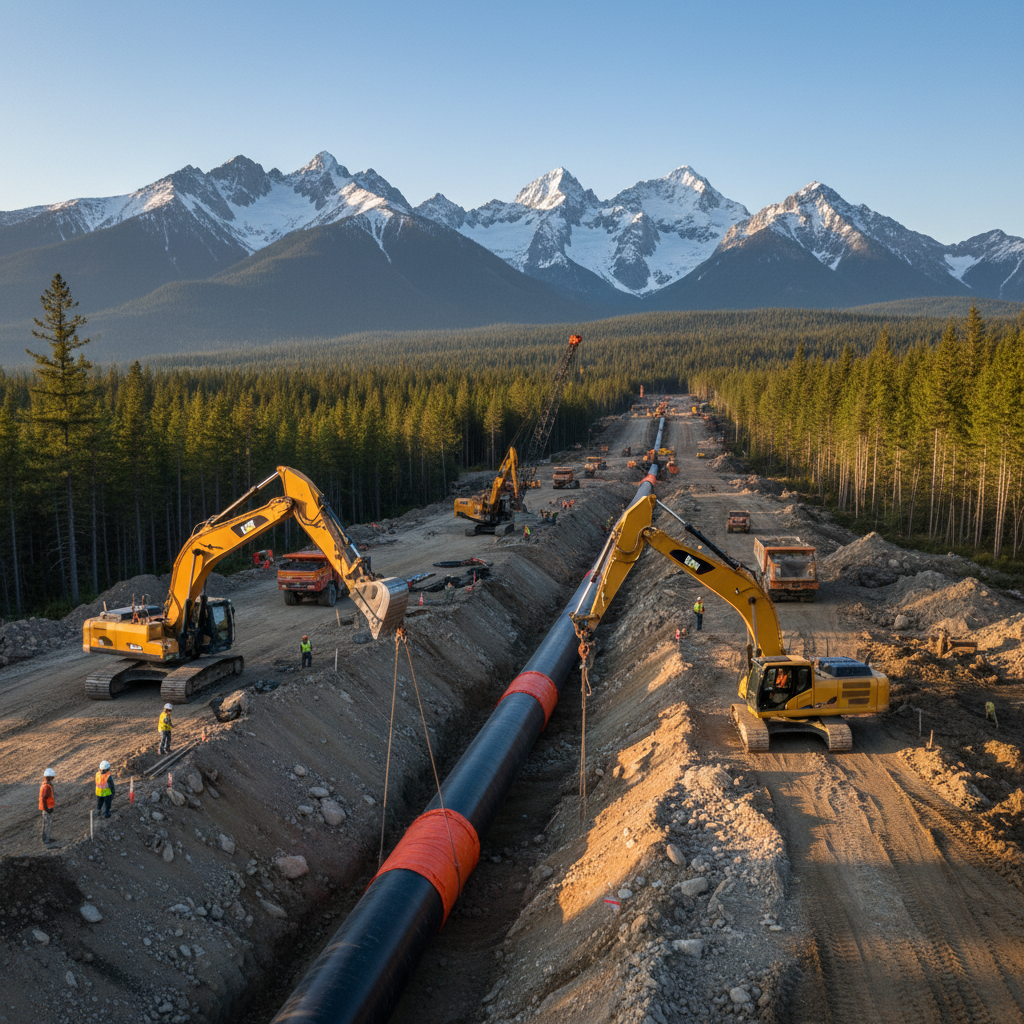
The Alberta government has unveiled an ambitious plan to spearhead a new west coast pipeline, with hopes of advancing construction by September 2027 and initiating oil flow as early as 2033 or 2034. This announcement positions Toronto Metro and the wider Ontario economy to watch closely as Alberta seeks to reshape the energy infrastructure connecting oil sands crude to global markets.
Pipeline Proposal Seeks National Interest Status
This initiative will be formally submitted to the federal major projects office by July 1, with Alberta requesting a project of national interest designation. Such a move could expedite the federal approval process, a crucial step for any large-scale pipeline construction in Canada. The process will likely be scrutinized by both regional governments and stakeholders in Toronto Metro who recognize the economic significance of improved energy transport links.
Carbon Capture and the Pathways Project: Key Prerequisites
The proposal’s progress depends heavily on the completion of the Pathways project, a multibillion-dollar carbon capture initiative that stands as a vital environmental commitment. Advancements in carbon capture technology are being positioned as a core justification for this west coast pipeline, allowing for more responsible management of emissions from Alberta’s oil sands crude sector. The Alberta government has made the completion of these emissions reductions strategies a cornerstone for seeking federal approval and public backing.
Expanding Export Capacity Beyond Trans Mountain
Currently, the Trans Mountain pipeline serves as the main conduit for transporting oil sands crude to Pacific markets. The proposed west coast pipeline would increase daily export capacity by up to one million barrels, addressing bottlenecks and enabling more robust access to Asian markets from Canada’s interior. As demand for cleaner and efficiently managed energy grows, the project could be a game-changer for both Alberta and Toronto Metro, significantly enhancing the country’s export footprint.
Engagement with Local and Indigenous Communities
Negotiations with British Columbia remain essential, as any pipeline traversing its territory will require provincial cooperation and ongoing dialogue. The Alberta government has committed to pursuing extensive indigenous consultation as part of the regulatory and planning process, recognizing that genuine engagement with First Nations, Métis, and local communities is not only a legal obligation but critical to the project’s legitimacy. Past lessons from pipeline debates have shown that meaningful consultation and environmental stewardship are indispensable.
Economic Impact Projected for 2027–2035
Leading economists project that, if realized, the pipeline and accompanying initiatives like the Pathways project could deliver considerable economic impact. Forecasts suggest that Canada’s real GDP could increase by 1.1 percent and Alberta’s by as much as 5.1 percent between 2027 and 2035. Such gains are drawing attention beyond the west, with Toronto Metro’s business and financial sectors closely monitoring both the promise and risk associated with large-scale resource infrastructure projects. Major private sector partners and investors are still weighing their involvement, given the significant costs and complex regulatory environment.
Regulatory, Environmental, and Political Hurdles Ahead
Despite the optimism, multiple hurdles stand in the way. Major environmental advocacy groups and some political stakeholders have voiced concerns about lifting the tanker ban on the northern British Columbia coast, which has been in effect to protect sensitive marine environments. The Alberta government is set to address environmental assessments as part of the overall application, with carbon capture solutions forming a key part of its strategy to mitigate environmental concerns. The timeline for pipeline construction remains aggressive, and observers in Toronto Metro and beyond are watching to see if policy momentum and technological progress can overcome these barriers.
Looking Ahead: Regional and National Implications
The coming months will prove decisive as federal regulators review the Alberta government’s application and all eyes turn to the interplay of regional cooperation, indigenous consultation, and investment from the private sector. If successful, this new west coast pipeline could represent a pivotal shift for the Canadian energy sector, potentially strengthening economic ties between Alberta, British Columbia, and urban centers like Toronto Metro. How these next steps unfold may determine not only the future of Canada’s oil sands industry, but also the nation’s approach to balancing economic growth with climate responsibility.