- calendar_today May 20, 2026
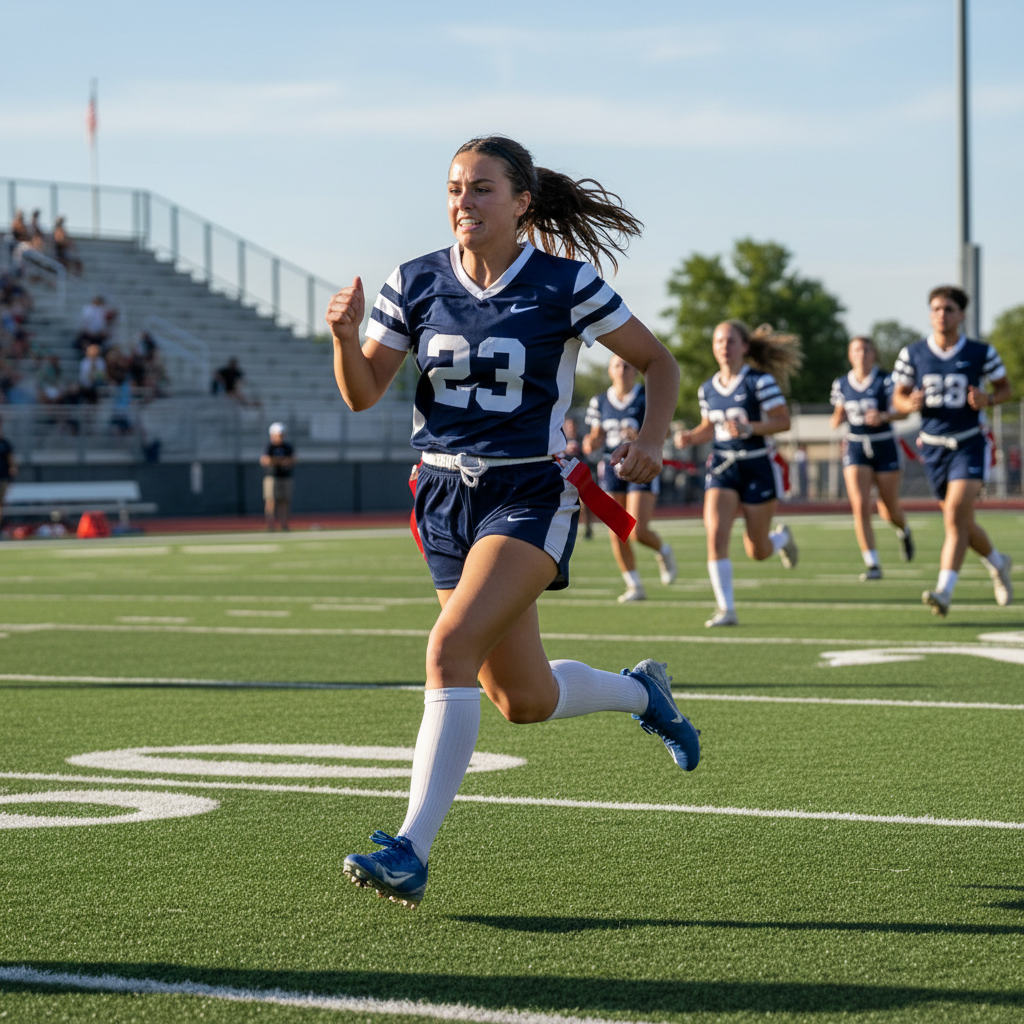
Women’s flag football is gaining unprecedented momentum across the Northwest USA as it approaches official recognition as an NCAA championship sport. The NCAA Committee on Access, Opportunity and Impact has recommended elevating women’s flag football to championship status in Divisions I, II, and III by spring 2028. This development comes as the sport prepares for a historic debut at the 2028 Los Angeles Olympic Games, underscoring its rapid ascent on both national and international stages.
Path to NCAA Championship Recognition
Women’s flag football’s journey toward NCAA championship designation marks a milestone for athletes and institutions throughout the region. For the sport to gain full status, a minimum of 40 schools must sponsor varsity teams. Remarkably, over 100 colleges and universities nationwide—including several from the Northwest USA—have signaled their commitment to fielding squads in the upcoming academic year. NCAA division-specific reviews and proposals are scheduled, with a critical vote planned for January 2027. If passed, the inaugural championship season could launch in spring 2028, aligning with the sport’s Olympic arrival.
Widespread Growth in Colleges and High Schools
The increasing visibility of collegiate flag football has ignited growth at both collegiate and pre-collegiate levels. The Northwest USA has seen a surge in high school flag football programs, contributing to the wider pathway for young athletes. Over 20 states now sanction varsity girls sport in flag football, demonstrating the sport’s mainstream acceptance. Since 2015, participation rates among girls aged 6 to 12 have surged by 283 percent, evidence of the powerful grassroots movement fueling the sport’s ascent.
Olympic Spotlight and Global Recognition
Anticipation is building for the inclusion of flag football in the 2028 Olympics. The sport’s Olympic debut is expected to inspire even greater sports participation among youth and collegiate athletes. This global platform will further increase awareness of flag football’s accessibility and competitiveness, offering new aspirations for female athletes interested in both the collegiate and international arenas. The Olympic connection strengthens the argument for elevating women’s flag football within U.S. collegiate athletics.
Support from Professional Leagues and the NFL
The NFL’s continued backing of flag football initiatives has proven essential to the sport’s mainstream growth. NFL flag football partnerships, clinics, and community programs are prominent in the Northwest USA, encouraging more schools to establish teams at multiple levels. In addition, NFL clubs are underwriting the launch of a professional flag football league for women, a step that will provide a direct connection between collegiate flag football and professional opportunities. This league is not only set to give female athletes additional career pathways but is also expected to raise the overall profile of women’s sports in the region.
Expanding Opportunities for Female Athletes
The official recognition of women’s flag football as one of the NCAA’s emerging sports for women signals broader support for female athletes and gender equity in athletics. By joining sports such as rowing and beach volleyball in the Emerging Sports for Women program, flag football benefits from increased funding, recruiting, and visibility. Collegiate institutions across the Northwest USA are responding enthusiastically, recognizing the sport’s potential to create vibrant teams and a strong sense of community on campus.
Future Outlook for Northwest Communities
As women’s flag football approaches NCAA championship status, its future in the Northwest USA appears exceptionally bright. Local communities stand to gain from expanded programming, greater engagement in sports participation, and opportunities to foster leadership among student-athletes. These advancements solidify the foundation for a robust collegiate flag football pipeline and bolster the prospects for professional flag football for women. Continued collaboration among schools, leagues, and national organizations promises to inspire the next generation of female athletes in the region.