- calendar_today September 5, 2026
The Oregon coast has seen heightened shellfish restrictions in recent days, following new advisories on toxin exposure. The latest oregon coast shellfish restrictions aim to safeguard public health after elevated levels of potentially fatal biotoxins were detected in multiple locations across the region.
Rising Biotoxins Prompt Immediate Closures
Authorities in Oregon, including the Oregon Health Authority, have reported high concentrations of saxitoxin in Eckman Lake, whose waters flow into the alsea bay estuary near Waldport. This neurotoxin can cause paralytic shellfish poisoning and poses serious risks to those consuming contaminated seafood. As a result, harvesting and eating softshell and bay clams from these areas is currently prohibited.
Impact of Mussel Harvesting Closure
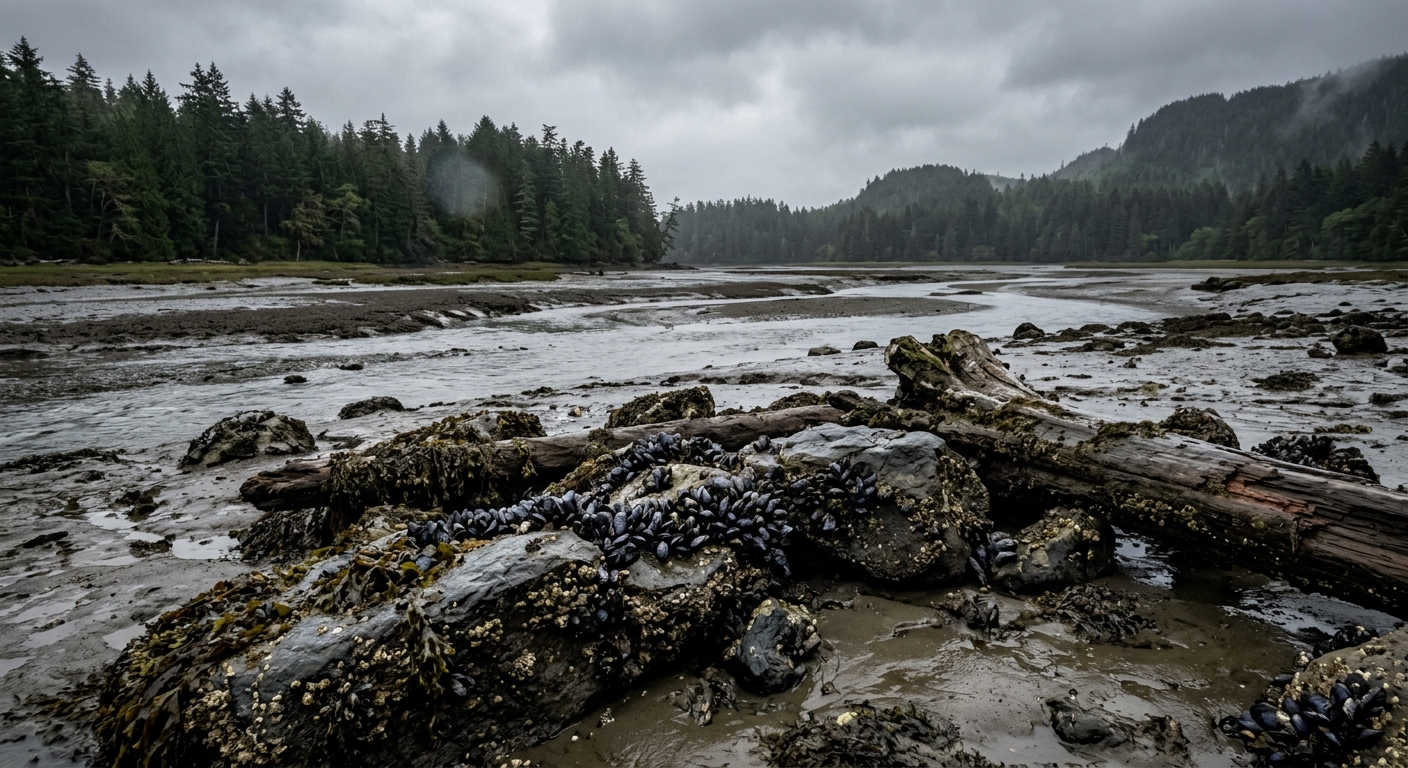
In a separate action, a mussel harvesting closure has been enforced from Cape Blanco southward to the California border. This follows tests revealing unsafe domoic acid levels in local mussels—another potent biotoxin with the potential to cause illness in humans. These decisions reflect a statewide commitment to protect communities and Oregon’s vital coastal tourism industry from the dangers associated with biotoxin exposure.
Management and Oversight
The current shellfish harvesting closures are managed through a collaborative approach between the Oregon Health Authority, the Oregon Department of Fish and Wildlife, and the Oregon Department of Agriculture. All three agencies play crucial roles in monitoring and enforcing restrictions, with frequent toxin testing oregon programs designed to quickly detect environmental risks. Any region closed to harvesting must record two consecutive clean test results before reopening for public access.
Species-Specific Restrictions Along the Coast
While some areas remain accessible for crab and bay clam harvesting, all softshell clams harvest, razor clams, and mussels are currently subject to rigorous oversight. Restrictions may vary according to local contamination levels and the species affected by various toxins. For example, closures for softshell and bay clams are in effect near Eckman Lake and the Alsea Bay estuary, while mussels are off-limits along a significant stretch of the southern Oregon coast.
How Communities Stay Informed
Visitors and residents are encouraged to remain vigilant by consulting the shellfish safety hotline or checking the Recreational Shellfish Biotoxin Closures webpage for the latest updates before collecting seafood. These resources provide real-time information about which areas are open or closed, offering peace of mind to those engaged in coastal foraging, dining, or recreation.
Protecting the Region’s Safety and Economy
Ensuring public health through prompt updates on oregon coast biotoxins not only enhances consumer safety but also underpins the long-term vitality of the Oregon coast’s seafood industry. Regular communication from state agencies and robust monitoring protocols help safeguard both locals and tourists, reinforcing the region’s reputation for high-quality, safe-to-eat shellfish. By staying informed and respecting these closures, communities and businesses can help maintain the Oregon coast’s rich culinary and natural resources for years to come.