- calendar_today August 12, 2025
Oregon businesses experience increasing costs and financial volatility as Trump’s trade policy remakes the market environment.
Oregon businesses are suffering from market uncertainty created by Donald Trump’s trade policies that have created tariffs, supply chain uncertainty, and economic unpredictability. Whether agriculture in Oregon or manufacturing and tech, Oregon’s diverse economy is bracing itself for the impact of altered global trade patterns. While businesses gear up to manage rising costs and new market realities, community leaders are calling for policy consistency to safeguard the economic future of Oregon.
Agriculture Sector to Face Export Challenges
Oregon’s agricultural sector is a major engine of the state economy, and its exports of wine, wheat, dairy, and hazelnuts are an important source of foreign commerce. But Trump’s tariffs on Chinese imports, coupled with retaliations from major trading partners, have presented regional farmers with fresh challenges.
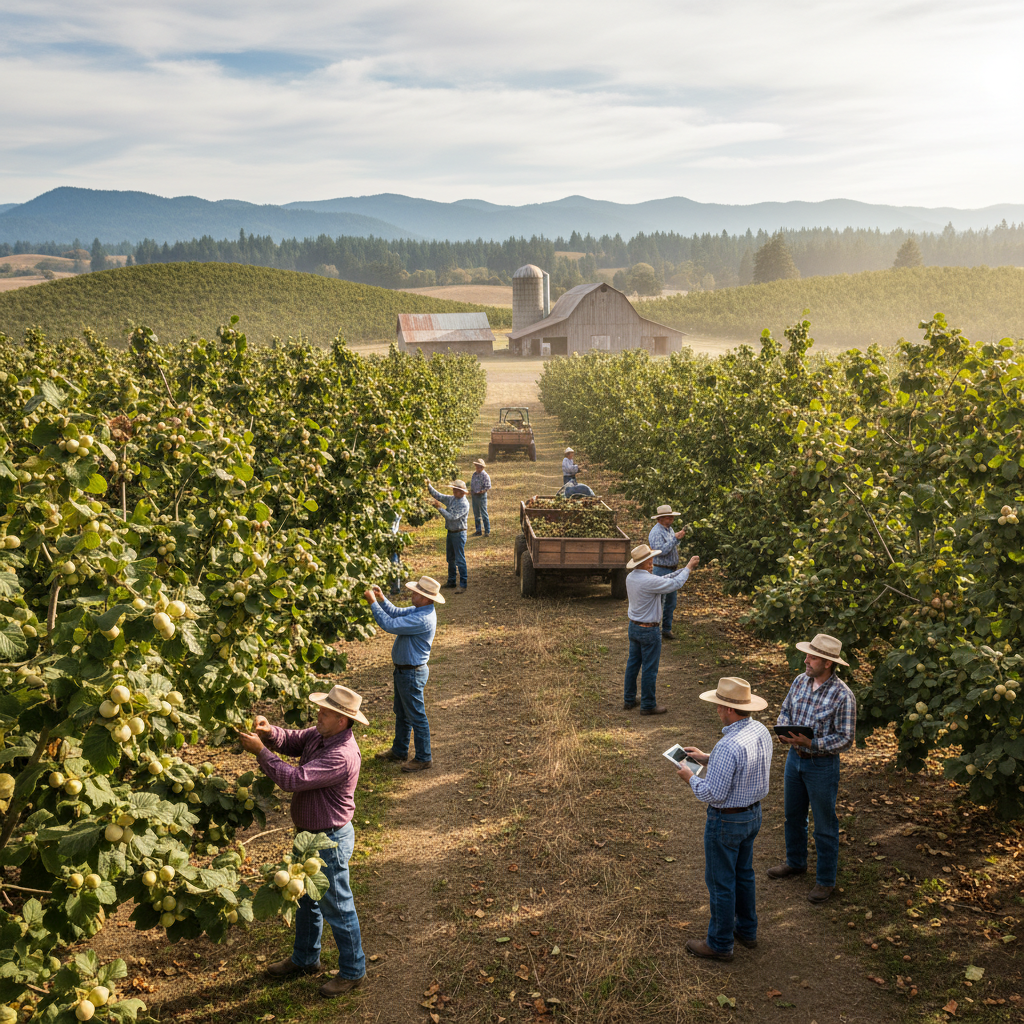
Hazelnut farmers, who depend so much on Chinese imports, have been especially hard hit. Higher tariffs cutting demand, Willamette Valley farms are experiencing lower prices and inventory with no takers. Likewise, Oregon wine country is confronted with greater competition as European farmers can more readily penetrate foreign markets and American goods are confronted with trade barriers.
For Eastern Oregon wheat growers, losing large foreign buyers has meant declining prices and it becoming increasingly difficult to remain in business. Milk and cheese exports by dairy farmers also see their margins being cut as tariffs raise the cost of farming inputs and lower international sales.
Manufacturing Sector Confronts Increasing Costs
Oregon’s manufacturing industry, across sectors such as electronics, machinery, and wood products, is also having to adapt to increasing input prices as well as supply chain problems. Trump’s tariffs on aluminum and steel have driven up the price of basic raw materials, affecting small-scale producers as much as large-scale producers.
In Portland, aerospace and industrial component manufacturers are paying more to import metal. Those higher costs are passed along the supply chain, driving up costs for consumers and decreasing competitiveness. Manufacturers of wood products have experienced escalating costs from tariffs on Canadian lumber, impacting construction-related industries statewide. Small manufacturers are especially at risk, as they lack enough fiscal flexibility to absorb the added expense.
Technology Industry Faces Supply Chain Volatility
Oregon has a strong technology industry, with Portland’s Silicon Forest firms contributing to the semiconductor and electronics industries. Trump’s Chinese import-limiting policy has created uncertainty in semiconductor components and specialized materials employed in advanced technology.
Global supply chains have slowed deliveries of key parts, hindering production timelines and boosting operating costs. Intel, the largest high-tech employer in Oregon, threatened that extended trade tensions could diminish innovation and hike consumer prices.
Small technology companies, whose manufacturing is based on just-in-time stock systems, also are fighting to maintain reliable sources of raw materials. Uncertainty has disrupted their ability to budget for new investment and expansion.
Small Businesses Bear the Brunt
Oregon’s small businesses are the hardest hit by Trump’s trade policy-driven cost inflation and unpredictability. Retailers, construction companies, and local manufacturers incur increased costs for imported products, directly impacting profit margins and consumers’ prices.
In Bend and Eugene, home improvement and consumer electronics retailers are finding it difficult to match increasing costs. A few have been forced to increase prices or cut back on stock, while others are looking at domestic suppliers to offset foreign tariffs.
Local chambers of commerce are stepping in to assist small businesses to overcome such difficulties, including supply chain diversification resources and export support programs.
Consumer Expenses and Economic Mood
For Oregon consumers, the economic blowback from Trump’s trade policy is personal. Increased tariffs on foreign-made products are raising the cost of appliances, cars, and electronics.
Families are tightening their belts as common necessities cost more. Building materials have also skyrocketed, fueling increased housing costs—a top concern in urban communities such as Portland, where the housing affordability crisis continues to swell.
Economic experts have cautioned that with continued trade tensions, consumer confidence will deteriorate and spend less and, in the process, experience economic growth to slow down. This would have wide-ranging implications for industries whose activities depend on discretionary spending like tourism and hospitality.
State Leaders Push for Policy Solutions
Oregon’s business and political establishments are calling on the federal government to embrace an even-handed approach to trade policy. The state Department of Agriculture is seeking trade deals that defend local farmers as it secures market access overseas. Policy planners in Salem are seeking to step in at the state level to buffer economic pressure on industries hardest hit by tariffs. Such efforts involve expanding export promotion initiatives and offering economic support to small and medium enterprises.
Local government and business interest groups value stability and predictability in trade policy, which are critical to the long-term construction of economic growth and employment.
Future of Oregon’s Economy
The long-run implications of Trump’s trade policies for the Oregon economy are unclear. As firms respond through cost-cutting and supply diversification, continued uncertainty abroad is an enduring risk.
Oregon’s economic resilience is projected by industry analysts to depend on policy stability, international cooperation, and innovation. Though businesses throughout the state will still be tracking trade trends intently, they will be getting ready for even more change in the business environment.