- calendar_today May 20, 2026
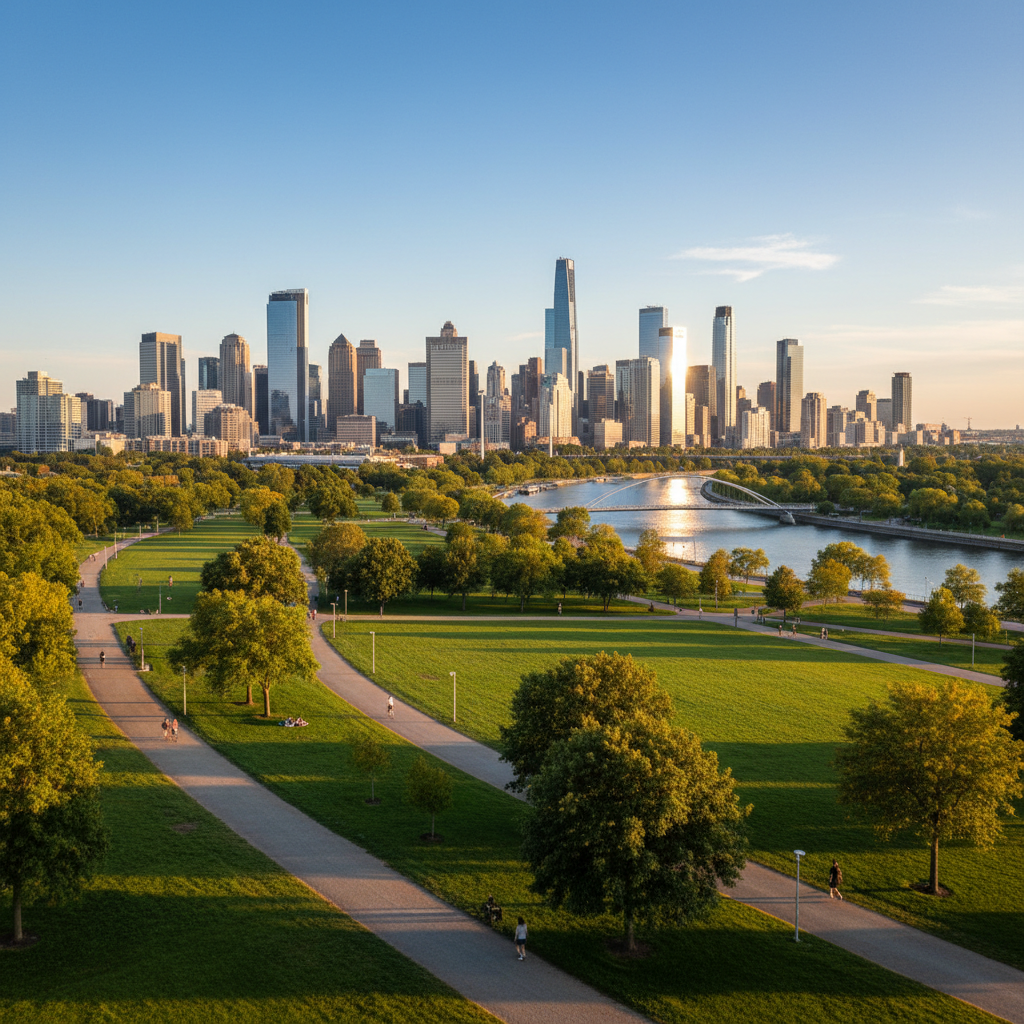
The 2026 ParkScore Index, released by Trust for Public Land, highlights Minnesota’s leadership in urban park excellence by ranking Minneapolis and Saint Paul among the nation’s top four cities for city parks. The rankings emphasize how urban green spaces in Minnesota are setting high standards for park accessibility, investment, and community benefit.
Minnesota’s Park Systems Among America’s Finest
The ParkScore Index evaluates the 100 most populous cities in the United States, and in 2026, Minneapolis achieved third place while Saint Paul climbed to fourth, up from fifth the previous year. These outstanding results showcase the region’s ongoing commitment to quality city parks. The consistent top placement of Minneapolis parks and the upward mobility of Saint Paul parks are attributed to deliberate policy choices and sustained investments in local park systems.
Near-Universal Park Accessibility
A key strength distinguishing the Minnesota region is exceptional park accessibility. Recent data from the ParkScore Index show that a remarkable 99% of residents in both Minneapolis and Saint Paul live within a ten-minute walk of a park. This level of park accessibility far exceeds the national average of 76%, positioning Minnesota cities as models for other urban areas aiming to improve access to green space.
Investing in City Parks: Local and Economic Impact
Recent enhancements to Saint Paul’s ranking can be traced to increased park investment, notably due to a new sales tax measure. Both cities continue to spend substantially more per resident on their parks than the national median, supporting a robust network of park amenities and services. This funding sustains vital aspects of green infrastructure, supporting trail development, natural habitat conservation, and improved public spaces.
Economic Benefits and Community Well-being
New economic analysis released alongside the ParkScore Index demonstrates that every dollar invested in city parks yields approximately $3 in economic benefits parks provide. This return on investment is realized through improved public health outcomes, lower health care costs, enhanced green infrastructure that helps mitigate flooding, and public spaces that offer affordable recreational opportunities. Examples from national leaders, such as New York City’s innovative fitness zones and Los Angeles’ green alleys, underscore how creative development of park amenities can generate outsized benefits for communities. Locally, Minnesota cities continue to prioritize these economic and health outcomes in their park planning efforts.
Park Equity and Community Engagement
The ParkScore Index methodology relies on advanced GIS technology to accurately track both park accessibility and park equity. These metrics enable city leaders to identify underserved neighborhoods and ensure that investments produce equitable outcomes for residents. The emphasis on park equity has helped Minneapolis and Saint Paul maintain community trust and strong public support for expanding and improving their city parks.
Strong Support for Public Park Usage
National surveys conducted alongside the release of the ParkScore Index have confirmed that city parks remain vital to Americans, with a wide majority engaging in regular public park usage and expressing robust backing for continued park investment. This widespread use of green spaces speaks to the quality and quantity of park amenities available in leading regions like Minnesota, further incentivizing local governments to prioritize public space development.
Looking Ahead: Sustaining Leadership in Park Development
Washington, DC secured first place in the 2026 ParkScore Index due to its notable park acreage and comprehensive accessibility, but Minnesota’s standing as a regional leader in city parks remains strong. By leveraging the ParkScore Index as a tool for benchmarking progress and guiding future investment, city officials, community advocates, and residents in Minneapolis and Saint Paul can continue shaping inclusive, innovative, and sustainable park systems for the future. The ongoing focus on park accessibility, economic benefits parks provide, and equitable distribution of green infrastructure will keep Minnesota at the forefront of park stewardship nationwide.