- calendar_today May 20, 2026
In a major step toward winding down its long-running operations, Marineland in Niagara Falls has announced the relocation of its twelve black bears to the Wild Animal Sanctuary in Colorado. This move comes as the amusement park—once a beloved attraction for children and families from Atlantic Canada and beyond—closes its doors for good and prepares its land for sale, contingent upon the safe removal of its animals.
Marineland Bears Find New Home
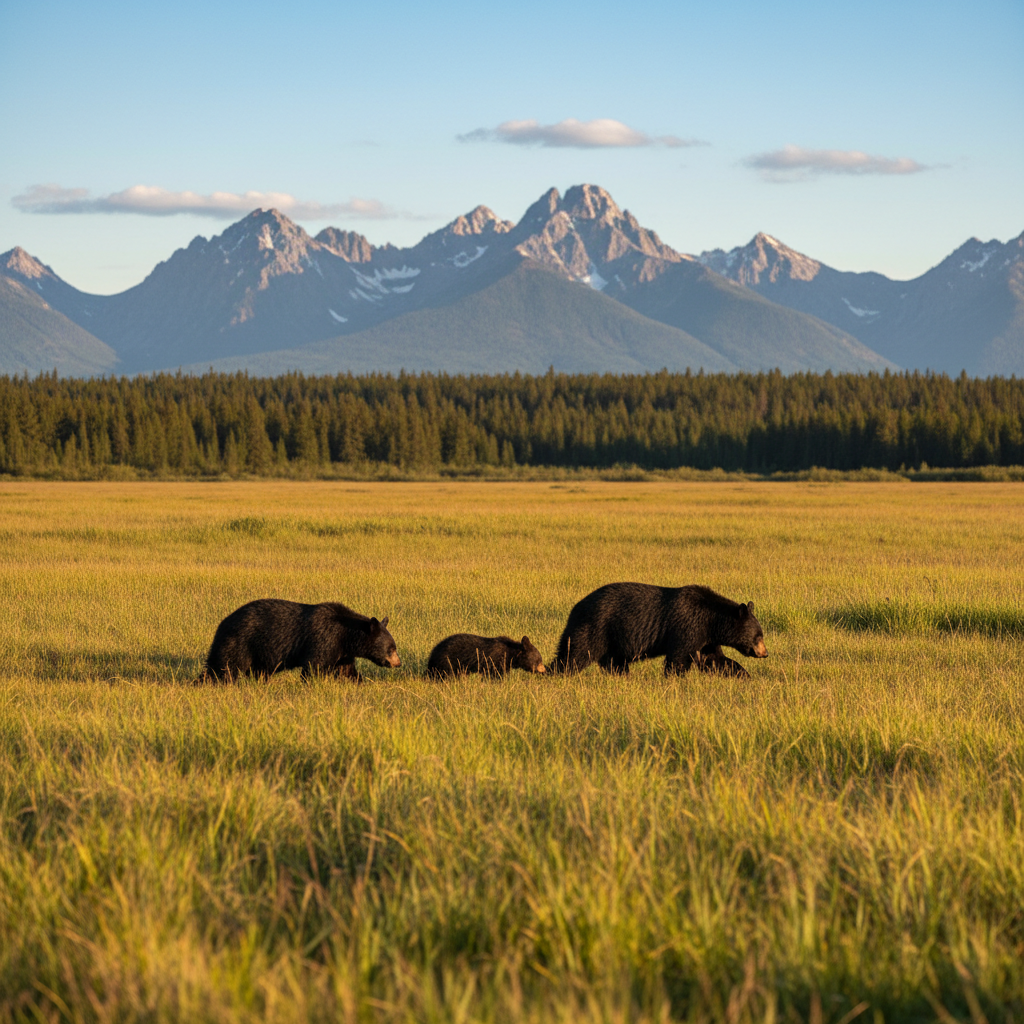
The twelve Marineland bears, an iconic part of the park’s wildlife exhibit, are set to join nearly 1,000 other large carnivores at the Wild Animal Sanctuary. The sanctuary, renowned for its expansive habitats and dedication to animal welfare, offers a safer and more natural environment than the amusement park setting. These black bears are now expected to enjoy a significant upgrade in care and freedom as part of the animal relocation process.
Closure Follows Leadership Changes and Regulatory Shifts
Marineland closed to the public in 2024 after the passing of its owner—a pivotal event that accelerated the park’s closure and underscored the urgency of rehoming its remaining animals. The land’s potential sale has become tied to the speed and success of these ongoing transport and relocation efforts. The transition is being watched closely in Atlantic Canada, where advocacy for animal sanctuary solutions is strong.
Challenges in Moving Marine Mammals
While the arrival of Marineland bears at the Colorado sanctuary has drawn support, relocating the park’s marine mammals has proven more complex. Marineland currently houses approximately thirty beluga whales and four dolphins. The death of 19 beluga whales, one killer whale, and one dolphin since 2019 has raised fresh concerns about animal welfare and management at the park.
Efforts are underway to find suitable U.S. aquariums for the marine mammals, but regulatory challenges remain. Federal law passed in 2019 banned marine mammal captivity and shows, but allowed Marineland’s existing animals to remain under a grandfather clause. The park’s attempt to export its beluga whales to an aquarium in China was blocked after Fisheries Minister Joanne Thompson denied the necessary permit.
Financial Strain and Calls for Federal Funding
No longer generating ticket revenue, Marineland faces mounting financial struggles and has openly requested emergency federal funding between $10 and $20 million to support its animal care and relocation efforts. However, concerns about transparency in Marineland’s finances have complicated negotiations with government representatives. These funding obstacles have heightened anxieties, particularly as Marineland has threatened whale euthanasia if no solution is found—a situation that has garnered widespread attention across Atlantic Canada and national animal welfare circles.
Ongoing Efforts to Ensure Animal Safety
Despite regulatory and financial headwinds, Marineland continues to coordinate with American aquariums and animal welfare organizations to find suitable homes for its remaining animals. Advocacy groups, especially those in the Atlantic region, are closely monitoring developments, intent on ensuring the highest standards of animal care. Many view the move of Marineland bears to an accredited animal sanctuary in Colorado as a hopeful sign for future animal relocation projects.
Impact on Regional Communities
The departure of Marineland’s animals is being felt beyond Niagara Falls. Families in Atlantic Canada, many of whom made the journey to visit Marineland over decades, now see a poignant end to an era. With growing public support for animal sanctuary alternatives and federal funding for animal rescue operations, the transition signifies changing attitudes toward animal care in amusement and entertainment industries.
Looking Ahead for Marineland’s Legacy
While Marineland’s future remains uncertain, the successful relocation of its iconic bears marks a significant milestone. The region’s communities, stakeholders in animal welfare, and policymakers are expected to remain engaged as decisions unfold regarding the fate of Marineland’s remaining marine mammals and the viability of the park’s land for future use.