- calendar_today August 11, 2025
Oregon is widely recognized as a leader in clean energy adoption, powered by abundant natural resources and ambitious state policies aimed at reducing carbon emissions. Yet, in early 2025, the green energy stock market has experienced notable volatility nationwide, prompting Oregon investors to ask: is this a prime buying opportunity or a time to exercise caution?
Federal incentives, like the Inflation Reduction Act (IRA), provide a sturdy foundation, while Oregon’s own renewable portfolio standards and progressive energy policies create a unique investment climate. However, fluctuating stock prices and economic uncertainties mean investors must carefully analyze the market before making moves.
Green Energy Stock Trends Impacting Oregon Investors
Several high-profile renewable energy stocks have dropped sharply in 2025. Tesla (TSLA), a major player in electric vehicles and energy storage solutions, has lost over 45% of its value year-to-date due to underwhelming delivery results. First Solar (FSLR), which has a significant manufacturing footprint in the Pacific Northwest, including Oregon, has declined by more than 30%.
Locally, Oregon’s utilities such as Portland General Electric and PacifiCorp are investing heavily in wind, solar, and hydropower projects. Despite these investments, stocks linked to these utilities and suppliers like Enphase Energy (ENPH), a prominent solar microinverter manufacturer serving Oregon’s residential solar market, have also experienced price drops nearing 29%.
The sector’s volatility stems from broader market pressures including increased operational costs, supply chain bottlenecks, and investor concerns about profitability.
Federal and Oregon State Policy Landscape in 2025
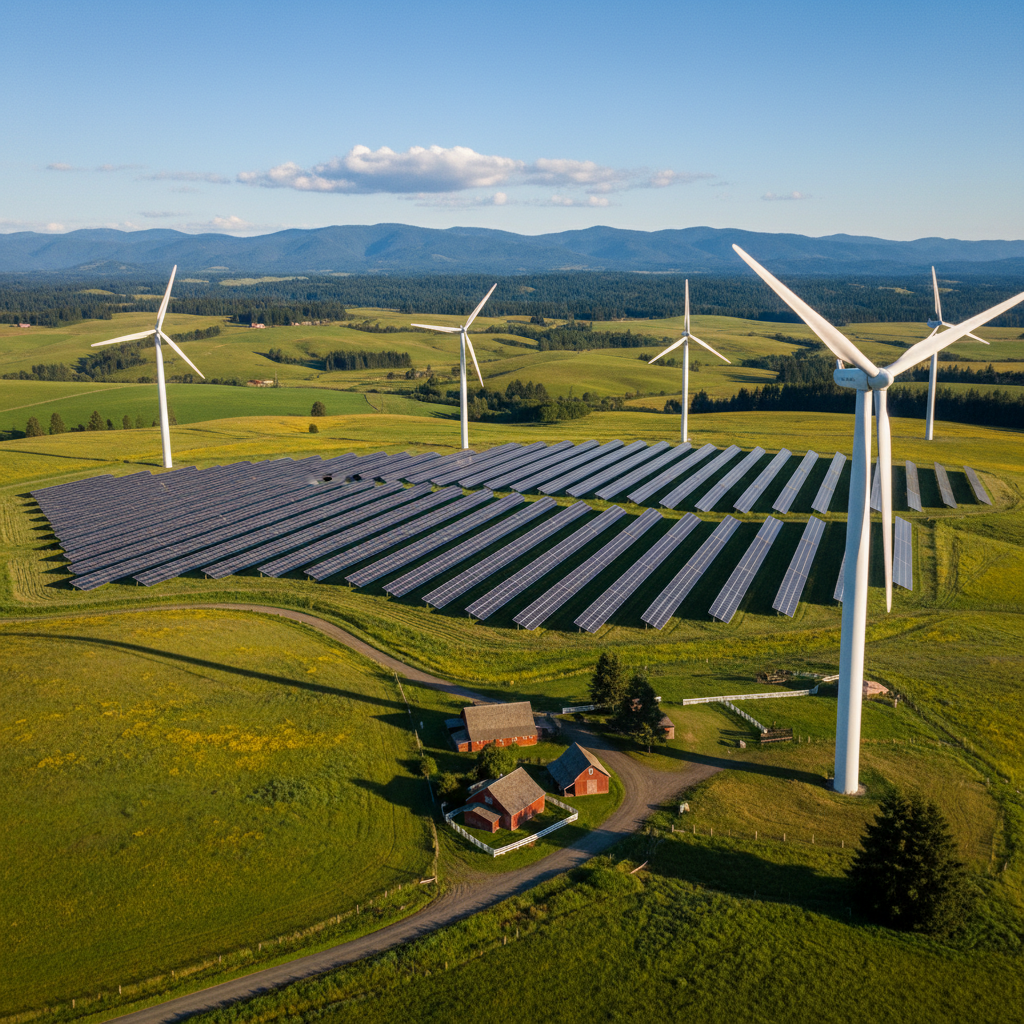
The Inflation Reduction Act continues to provide key tax credits such as a 30% Investment Tax Credit (ITC) for solar and wind projects and Production Tax Credits (PTC) for renewable energy output. These incentives are essential in driving Oregon’s expansion of renewable infrastructure, including solar farms and wind projects.
Oregon’s Clean Energy Action Plan targets 100% renewable electricity by 2040, with interim goals encouraging large-scale renewable projects and energy storage solutions. The state also supports innovative energy initiatives such as community solar programs and offshore wind exploration along the Oregon coast.
Political factors, including the state’s legislative agenda and upcoming elections, may influence funding and regulatory frameworks, adding some uncertainty to the investment environment.
Economic Influences on Oregon’s Clean Energy Investments
Economic trends nationwide affect Oregon’s renewable energy sector. The Federal Reserve’s sustained interest rates around 4.25–4.5% have increased financing costs for capital-intensive projects, impacting developers across the state.
Inflation eased to 2.8% in March 2025, which could support increased consumer spending and public infrastructure investment in Oregon, benefiting the clean energy sector.
Investor sentiment remains cautiously optimistic, with many fund managers diversifying their portfolios by including broad clean energy ETFs to hedge against stock volatility—a strategy worth considering for Oregon investors given the state’s evolving energy market.
Performance of Clean Energy ETFs Relevant to Oregon
Clean energy ETFs like the iShares Global Clean Energy ETF (ICLN) and First Trust Clean Edge Green Energy ETF (QCLN) have reflected the sector’s overall ups and downs. ICLN is down about 5% year-to-date, while QCLN has declined nearly 28%.
Despite these short-term declines, both ETFs have shown strong long-term returns, suggesting that Oregon investors with diversified holdings across solar, wind, and battery technologies could benefit from the state’s renewable energy growth trajectory.
What Oregon Analysts Are Saying
Experts urge a balanced approach. Rachel Martinez, an energy analyst with a focus on the Pacific Northwest, remarks, “Oregon’s renewable resource diversity—from hydropower to wind and solar—positions it well for long-term growth. Investors should look past short-term stock swings to the bigger picture.”
On the other hand, some financial institutions, including Goldman Sachs, have lowered near-term expectations for green energy stocks due to supply chain pressures and rising costs, factors that also affect Oregon’s large-scale renewable projects.
The International Energy Agency forecasts renewables will account for 42% of U.S. electricity by 2030, with Oregon playing a key role thanks to its proactive energy policies and resource mix.
Should Oregon Investors Buy Green Energy Stocks Now?
For Oregon-based investors, the decision comes down to individual risk tolerance and investment horizon. Long-term investors with a 5 to 10-year outlook may view the current dip as an attractive entry point, supported by strong state policies and expanding renewable infrastructure.
Conversely, short-term or risk-averse investors may prefer to wait for greater market stability, given ongoing economic uncertainties and stock price fluctuations.
Diversification remains critical. ETFs like ICLN and QCLN provide exposure across multiple renewable sectors, mitigating risk while allowing investors to participate in Oregon’s clean energy transformation.
In 2025, investing in Oregon’s green energy sector is about more than financial returns—it’s a commitment to a sustainable future shaped by innovative policies and natural advantages. While early 2025 presents challenges, the long-term prospects for renewable energy investments in Oregon remain promising.
Ultimately, Oregon investors must align their investment strategies with their goals, timelines, and the evolving market dynamics to make informed decisions in this fast-changing sector.