- calendar_today August 20, 2025
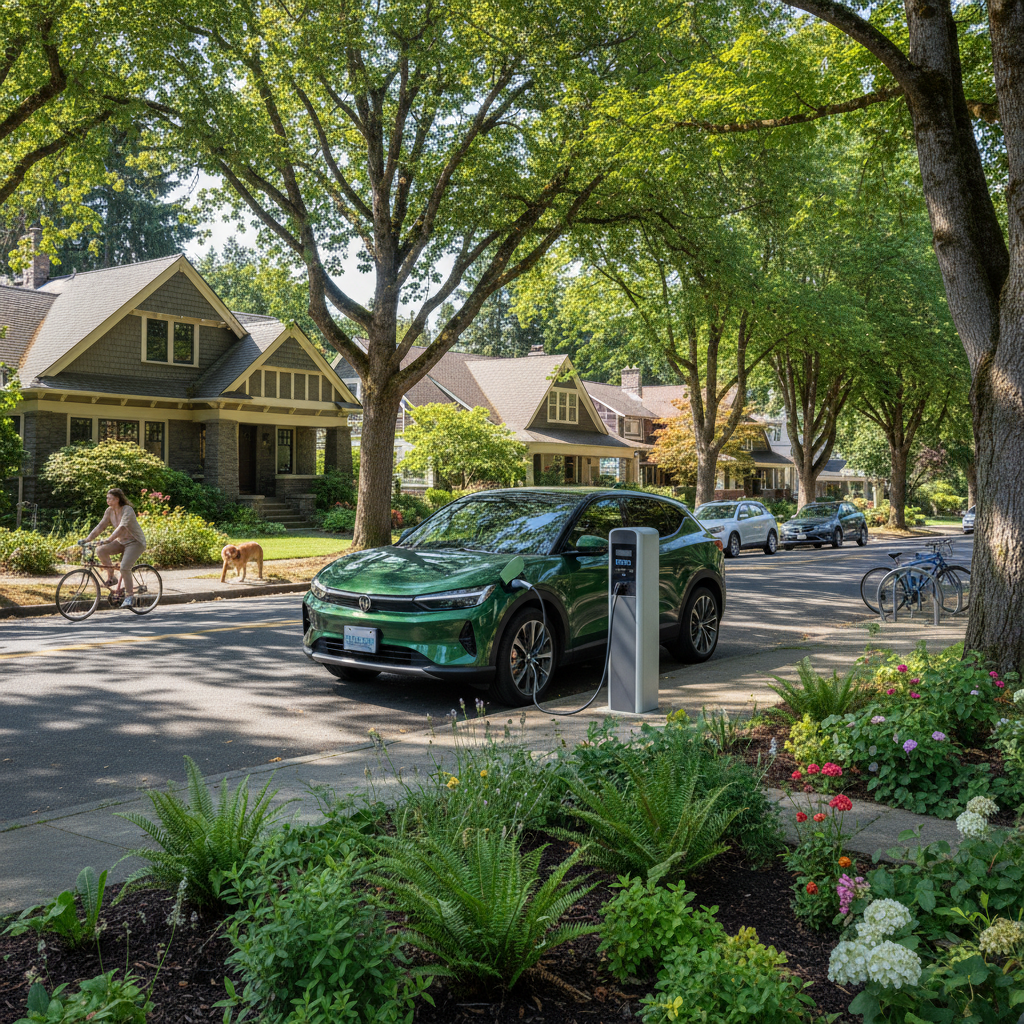
Oregon has long been at the forefront of clean energy and climate-focused public policy. With some of the most aggressive zero-emission vehicle goals in the country, a statewide EV rebate program, and rapidly expanding charging infrastructure, the Beaver State offers fertile ground for electric vehicle (EV) growth. But for Oregon-based investors evaluating Fisker Inc. (NYSE: FSR), the picture is more complex.
As of mid-2025, Fisker is in a precarious position. The startup EV maker has drawn attention for its sustainability ethos and stylish Ocean SUV, but also criticism for persistent production delays and an overseas manufacturing model that limits federal tax credit eligibility.
A 2025 Crossroads for Fisker
Fisker began 2025 with mounting challenges. Despite early enthusiasm for the Ocean SUV’s eco-friendly design, delivery setbacks and supply chain issues slowed its rollout. By mid-year, its market cap had fallen below $1.3 billion, down steeply from its 2021 peak.
For Oregon investors—especially those engaged in green mutual funds, climate venture capital, or ESG-aligned portfolios—Fisker represents both promise and risk. The company’s efforts to ramp up Ocean production and launch its more affordable Pear model in 2026 are now key to maintaining investor interest.
Forecasting Fisker’s 2030 Price Path
Oregon investors face a range of outcomes in projecting Fisker’s stock performance by 2030:
Bull Case: If Fisker meets production targets and launches multiple vehicle models, it could reach 200,000 annual unit sales, drive $6–$8 billion in revenue, and see share prices climb to $25–$30. This scenario would appeal to Oregon’s climate-aligned investors and institutions focused on high-growth clean-tech stocks.
Base Case: With more moderate performance—75,000 to 100,000 units sold yearly—revenue might reach $3–$4 billion, supporting a stock price of $8–$12. For ESG-focused investment strategies in Portland and Eugene, this represents a cautiously optimistic path.
Bear Case: If delays and funding gaps continue, Fisker could stagnate with limited deliveries, dwindling confidence, and a share price between $3–$5. In this case, conservative Oregon investors seeking stable climate-aligned investments may steer clear.
Industry Context: Oregon’s Policy-Driven EV Ecosystem
Oregon’s government has actively promoted EV adoption through consumer rebates, a zero-emission vehicle sales mandate, and funding for statewide charging networks. These policies have accelerated EV demand and supported companies with strong domestic manufacturing pipelines.
Fisker, however, outsources production to Magna Steyr in Austria—a choice that disqualifies its vehicles from IRA tax credits that benefit U.S.-made EVs. For Oregon consumers and investors alike, this limits appeal compared to competitors like Rivian, Tesla, or Ford—all of which operate domestic factories or have deeper ties to U.S. infrastructure.
To improve regional marketability and investor confidence, Fisker may need to secure a North American manufacturing partner—potentially in the Pacific Northwest, where clean-tech talent and green energy are abundant.
Investor Sentiment and Oregon’s Financial Climate
In cities like Portland, Bend, and Corvallis, investor interest in climate innovation and sustainable transportation is robust. Oregon hosts a vibrant community of early-stage green investors, academic research hubs, and ESG-aligned asset managers.
While major financial institutions have downgraded Fisker due to liquidity risks, some Oregon-based investors—especially in impact investing and venture capital circles—remain cautiously engaged. A successful Pear launch or credible shift toward U.S.-based production could improve sentiment.
Looking Ahead: The Road to 2030
As Oregon continues to lead on clean energy and sustainable mobility, the region offers a supportive backdrop for EV investment. However, Fisker’s fate hinges on more than good branding—it must deliver vehicles at scale, build supply-side resilience, and adapt to domestic policy incentives.
For Oregon investors who prioritize climate solutions and support emerging technologies, Fisker still holds intrigue. But with high volatility and real execution risks, it remains a speculative addition—not a cornerstone—of a green investment strategy.