- calendar_today May 22, 2026
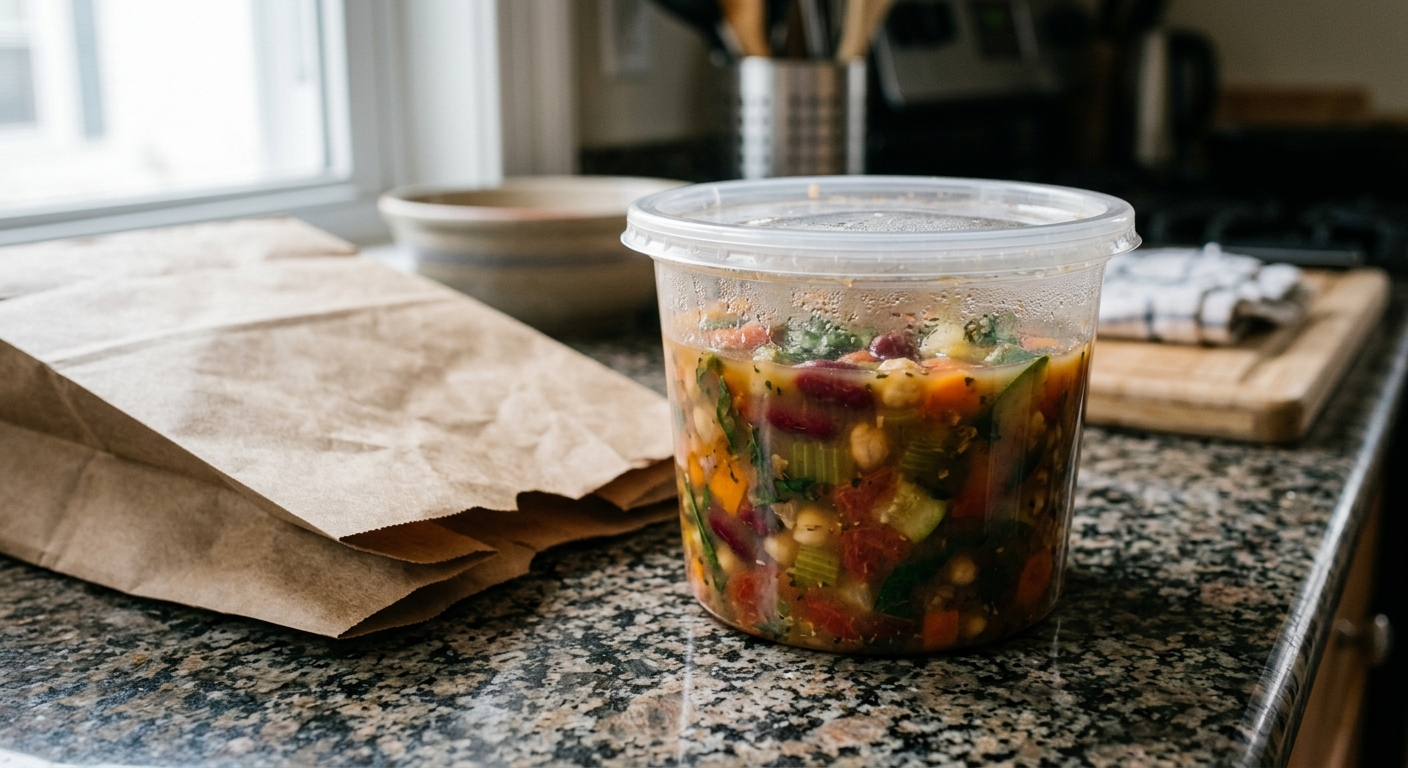
The U.S. Food and Drug Administration (FDA) has announced a significant whole foods soup recall impacting Tennessee and multiple other states after it was discovered that certain Minestrone Soup products may contain undeclared shrimp. The recall, which centers on Kettle Cuisine’s 24-ounce Whole Foods Market Kitchen Minestrone Soup, has heightened concerns about shellfish allergy risk for consumers across the region.
Recall Overview Highlights Tennessee and Regional Impact
The whole foods soup recall affects products distributed in over a dozen states, including Tennessee, as well as Alabama, Connecticut, Florida, Georgia, Massachusetts, Maryland, Maine, Mississippi, North Carolina, New Hampshire, New Jersey, New York, Pennsylvania, Rhode Island, South Carolina, Virginia, and Washington, D.C. The soup was available both in physical Whole Foods locations and online, notably through Amazon.
Product Details and Warning for Shellfish Allergies
The product at the center of the recall is labeled as Kettle Cuisine’s 24-ounce Whole Foods Market Kitchen Minestrone Soup, carrying product lot code 1762181 and a “use by” date of May 27, 2026. Testing by regulatory authorities determined the presence of undeclared shrimp, which poses a severe health threat to those with shellfish allergies. The minestrone soup recall only affects this specific product and lot; no other soups produced by Kettle Cuisine are included in this action.
Focus on Food Safety and Consumer Protection
The FDA and Whole Foods have underscored the FDA food safety protocols that triggered this action. The discovery of undeclared shrimp in the soup was made during routine product sampling, which flagged the error in labeling. Intentionally or unintentionally, the omission created a scenario where those sensitive to shellfish could experience severe allergic reactions if exposed. As of yet, there have been no reported illnesses linked to the recalled soup.
Consumer Guidance and Refund Process
Consumers who have purchased the affected Minestrone are urged not to consume the soup. Instead, customers should return the product to the place of purchase for a consumer refund. Whole Foods Market and Kettle Cuisine have established a dedicated phone line for questions available during normal business hours, ensuring that those with questions regarding the recall can receive updated information quickly.
Wider Implications and Allergen Disclosure
The food recall 2026 has prompted renewed attention on product labeling and communication regarding soups with allergens. For the Tennessee community and beyond, this incident reinforces the vital importance of transparency in food ingredients, especially when dealing with allergens that can provoke dangerous reactions. Retailers and manufacturers are reminded that accurate labeling protects consumers and reduces public health risks.
Impact on Local Shoppers and Institutions
Tennessee residents who frequently shop at Whole Foods or rely on online grocery platforms are directly affected by the recall. Local health agencies have echoed federal warnings, urging caution and offering information to those concerned about shellfish allergy risk. Community organizations play a key role in disseminating recall information to vulnerable populations.
Continuing Commitment to Food Safety
This whole foods recall underscores the importance of vigilance throughout the food supply chain. The FDA encourages consumers in Tennessee and all affected regions to verify product labels and reach out regarding any uncertainties about allergens. Anyone experiencing a reaction after consuming a recalled product should seek immediate medical attention.
The whole foods soup recall highlights ongoing efforts by federal and local authorities to safeguard public health. Product recalls, while disruptive, play a crucial role in maintaining consumer confidence and promoting transparency in the nation’s food system.