- calendar_today May 21, 2026
In a development attracting significant attention from privacy advocates across Atlantic Canada, The Walt Disney Company is facing a class-action lawsuit regarding its implementation of facial recognition technology at Disneyland’s park entrances. The legal challenge asserts that Disney’s technology may compromise visitor privacy, with particular emphasis on the rights of children and the adequacy of consumer protections.
Allegations of Insufficient Disclosure
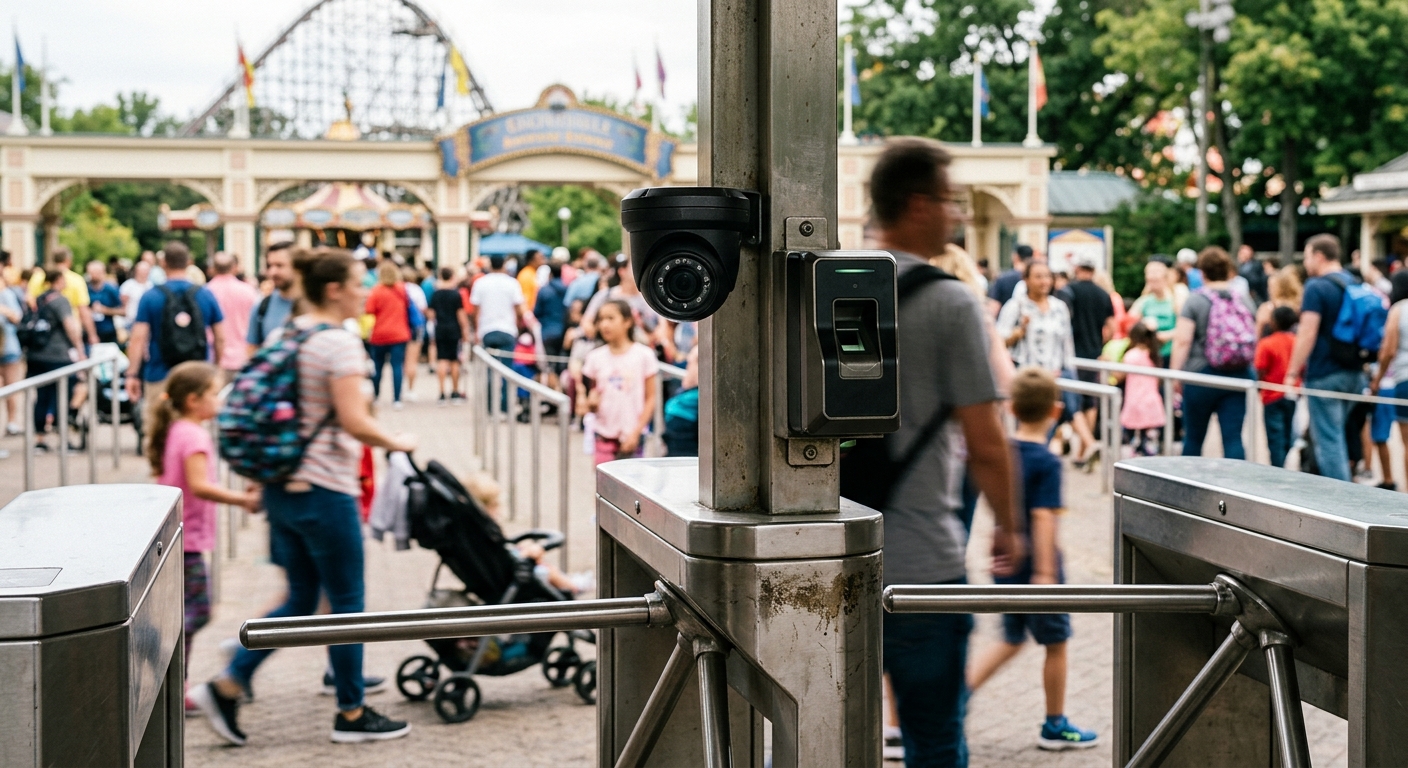
The lawsuit, led by a California parent, centers on allegations that Disney failed to clearly communicate how facial recognition technology was being used within the parks. Plaintiffs claim that signage informing guests about Disneyland facial recognition is unclear and that opportunities for visitors to opt out are lacking. These issues, they argue, lead to unclear boundaries regarding the collection and usage of biometric data, potentially infringing on fundamental privacy rights.
Biometric Data and Legal Concerns
Disney’s facial recognition system was introduced in April, ostensibly to streamline reentry processes and support fraud prevention efforts at theme park entry points. According to Disney, the biometric data collected—sometimes from children—is converted into unique numerical identifiers and held for no longer than 30 days, unless legal requirements demand retention. Yet, critics argue that this information can still be linked to guests’ digital identity and personal records, prompting broader debates around data privacy in entertainment venues frequented by families from Atlantic Canada and beyond.
Consent and Consumer Protection at the Forefront
The lawsuit places significant focus on consumer protection laws, arguing that Disney did not provide adequate choices or explicit opt in consent for the collection of sensitive biometric information. The plaintiffs maintain that opting out of facial recognition technology should be both possible and straightforward, rather than burdensome or unclear. This demand for explicit, informed consent aligns with the broader movement toward tighter regulations on digital identity and privacy rights, especially as advanced security technology becomes more prevalent in public spaces.
Disney’s Response and Broader Implications
Disney has rejected the allegations, asserting that guest data privacy is a top priority and that the lawsuit is without merit. The company maintains that measures are in place to safeguard information and that the data is promptly deleted unless specific legal circumstances arise. However, observers note that as facial recognition and other biometric systems are increasingly used at theme parks worldwide, questions around theme park security and the balance between convenience and privacy are coming to the fore.
Atlantic Canada and the Future of Data Privacy
The case is being closely followed by families and privacy experts in Atlantic Canada, mirroring international concerns about how biometric data is gathered, disclosed, and consumed in major destinations. The outcome could influence not only policies at global entertainment giants but also regional businesses considering similar security technologies. Advocates urge clear disclosure, robust consumer protection, and meaningful options for opt in consent to ensure data privacy is not compromised for the sake of convenience.
Class-Action Details and Repercussions
The class action lawsuit seeks at least $5 million in damages and demands that Disney obtain explicit opt-in consent for any future use of facial recognition technology. The legal proceedings underscore an urgent need for updated consumer protection frameworks and greater transparency about how visitor information is handled in the digital age. As conversations about privacy rights, digital identity, and theme park security evolve, Atlantic Canada’s communities remain vigilant for outcomes that could shape local and global data privacy practices for years to come.