- calendar_today June 6, 2026
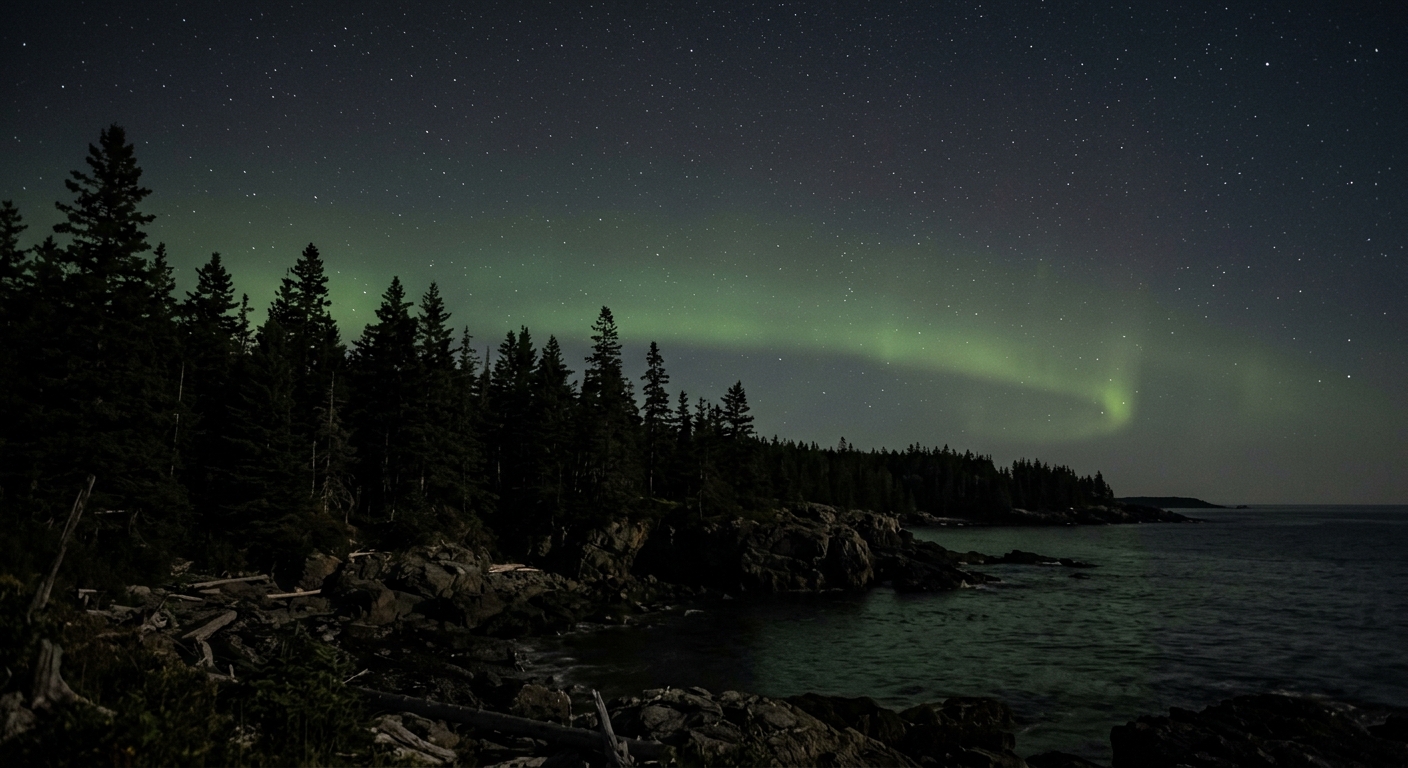
Oregon communities could witness a rare spectacle on June 4 as a powerful geomagnetic storm is poised to enhance aurora borealis displays across the northern part of the state. The event, fueled by multiple coronal mass ejections emanating from the sun, is expected to produce some of the strongest northern lights activity seen in recent years, according to space weather authorities.
Intense Space Weather Expected in June
The Space Weather Prediction Center (SWPC) has issued a G3 geomagnetic storm warning for Tuesday evening, noting a projected peak Kp index of 7 between 4 p.m. and 8 p.m. Pacific time. These heightened space weather conditions are driven by evolving solar activity, with solar flares and coronal mass ejections directed toward Earth. While the Washington Coast stands to gain the clearest view, Oregon’s northern border regions, both inland and along the coast, have a real chance to observe the phenomenon.
Best Aurora Visibility Locations in Oregon
Residents and visitors hoping to see the aurora borealis should focus their efforts on areas near the Oregon coast, especially close to Coos Bay, Florence, and Newport. Northern inland communities may also experience brief appearances of green or red glows after dusk. Experts emphasize that clear skies are essential, and currently, the best aurora visibility is anticipated in northern inland Oregon and adjacent parts of southern Washington. However, persistent cloud cover along the coast could obscure the vibrant displays during peak hours.
Photographic Equipment May Improve Chances
For those located further south or southwest in Oregon, the northern lights are likely to be faint and may require the use of photographic equipment with long exposure capabilities. Many enthusiasts utilize DSLRs or mirrorless cameras set to high ISO and slow shutter speeds to capture subtle auroral arcs that are invisible to the naked eye. In regions such as southern Washington, aurora activity may be limited to professional or determined photographers employing specialized setups.
Solar Activity Forecasts Remain Elevated
Solar activity is set to remain moderate to high through June 6, with NOAA and SWPC projections indicating continued minor and moderate flaring events. These persistent conditions enhance the probability of additional geomagnetic storms and space weather phenomena, keeping aurora visibility prospects alive for several nights across Oregon and the broader Pacific Northwest.
How to Track the Northern Lights
Real-time aurora dashboards and forecasts are accessible through official channels such as the SWPC and NOAA, offering up-to-date kp index levels, solar wind data, and aurora probability maps. Local weather reports are equally vital, as cloud cover can swiftly erase any chance of seeing the aurora borealis. Oregonians and tourists alike are urged to monitor both the sky conditions and the solar outlook before venturing out.
Community Interest and Safety Recommendations
Interest in the northern lights often surges in the Pacific Northwest during major space weather events. Local skywatching groups, astronomy clubs, and educational organizations regularly provide guidance for optimal viewing nights. While seeking out dark, rural vantage points away from city lights can improve sightlines, observers are reminded to dress warmly and consider safety if traveling late at night. The excitement surrounding potential aurora borealis sightings adds to the cultural and scientific appeal of the region during heightened solar activity.
With geomagnetic storms intensifying and the promise of a vivid aurora borealis display, Oregon residents have a unique opportunity to witness one of nature’s most captivating events—if the weather permits. The coming days are expected to bring continued solar activity and, with any luck, more chances for the spectacular northern lights to dazzle the state.