- calendar_today August 26, 2025
Android 16 has become available after months of anticipation and testing. Google has commenced the distribution of its newest mobile operating system version while Pixel phone users receive priority access. Pixel users will soon receive an over-the-air update. Google’s developer page currently hosts system images and update files for those who want to access them immediately.
The current release does not bring a large number of new features. Android 16 begins its release with a similar level of modesty that characterized recent Android updates. Exciting features will debut later this year. This release offers several significant improvements that especially benefit Pixel device owners.
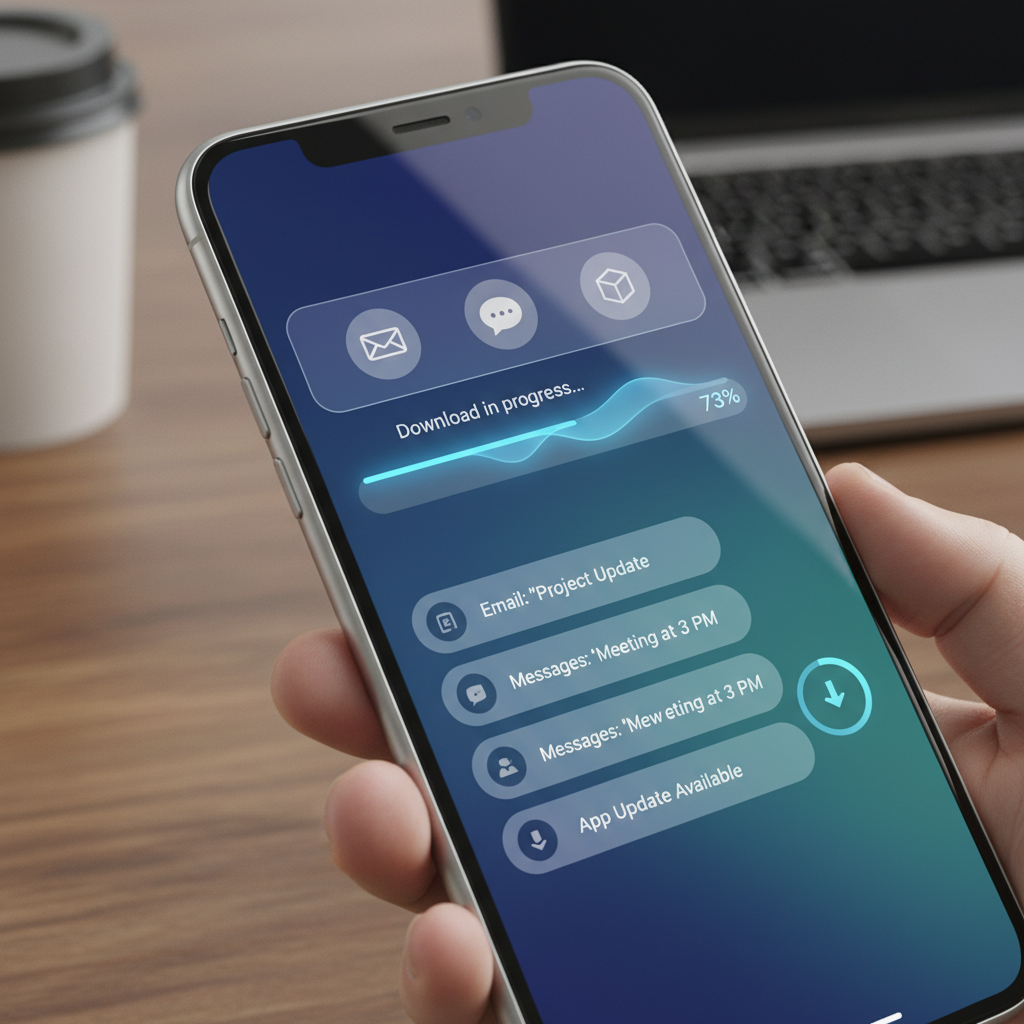
Users will immediately notice the redesigned notification system in the new release. Google initially launched bundled notifications in Android 7.0 Nougat to manage notification clutter and Android 16 builds upon this concept. The updated notification system requires apps to consolidate multiple alerts into one expandable notification item which helps to simplify the notification shade and improve organization.
Live update notifications present another minor yet convenient enhancement. The initial rollout of this feature includes rideshare and delivery applications. Users will notice a small status bar icon which displays real-time updates. When users tap the icon an expansion reveals a live progress bar in a pop-up. Google is collaborating with Samsung and OnePlus to integrate this feature into their custom Android systems through Samsung’s Now Bar and OnePlus’ Live Alerts.
Android 16 introduces a system-wide Advanced Protection feature for enhanced security. The feature used to require a Google account but has now been integrated into the operating system. This security feature prevents devices from accessing obsolete 2G networks and limits USB device connections while automatically marking unsafe websites as insecure. For users who want to strengthen their device’s protection this update represents a major advancement.
There’s also something fun for Pixel users. Users of Android 16 now have the capacity to produce personalized emojis through the Pixel Studio app together with the Emoji Kitchen tool. Generative AI powers this feature which enables users to combine different emoji elements into completely new creations.
Under the hood there are multiple background changes developers will discover upon investigation. Developers who target Android 16 (API level 36) will see their apps automatically adjust to larger displays including foldables and tablets. App experiences on larger devices will become smoother and more consistent through these improvements which Google has encouraged developers to prioritize. The update includes enhanced camera APIs which enable app access to motion photos, night mode detection, hybrid auto-exposure functionality and HDR screenshot support.
Google continues its standard practice of enforcing stricter background process restrictions. The update could cause some older or neglected apps to malfunction but will enhance system performance along with battery life.
Google is introducing a new Pixel Drop which comes with exclusive features alongside the release of Android 16. The Pixel VIPs system represents an improvement to the conventional favorite contacts functionality. When a contact receives VIP status their information becomes accessible through a specialized user interface. The system displays new messages from both Messages and WhatsApp and shared personal information such as birthdays while showing location data when available. Seamless communication becomes possible as VIPs bypass Do Not Disturb settings.
Users in the UK, Australia and Canada will soon receive Expressive Captions as part of the Pixel Drop release. The Magnifier app now offers enhanced support for hearing aids and live search functionality. Subtle adjustments in functionality have been implemented to improve both accessibility and daily usability.
The major feature wave for Android 16 has yet to arrive despite its current availability. The Material 3 Expressive design language which Google revealed last month does not feature in the current update. Pixel devices will receive the release of this update later this year. Developers have received guidance to get ready for the upcoming visual transformation.
Android’s long-rumored desktop mode has been confirmed as part of its development roadmap. Tablets and phones which support this feature will be able to connect to external displays and operate with floating windows to create a desktop-like interface. Through a partnership with Samsung Google expanded its DeX windowing system. The Pixel 9 Pro Fold and similar foldable devices won’t have on-device windowing capabilities but will support desktop projection through external displays. Device manufacturers can decide between enabling this feature or continuing to use traditional screen mirroring methods.
The initiation of this launch indicates Google has changed its Android release cycle. Google will release major Android updates in late spring instead of unveiling new Pixel hardware alongside each version in the fall.
Android 16 enters with few standout features but establishes the foundation for future substantial updates. The launch remains subdued yet establishes the foundation for an exciting second half of 2025.