- calendar_today May 22, 2026
Alberta—Retail sales Canada surged by 0.9% in March 2026 to $72.7 billion, according to the latest figures, led primarily by a dramatic uptick in gasoline stations sales. The province of Alberta outperformed the national average with a 2.6% increase, marking one of the most significant regional gains during the month.
Mixed Performance in Retail Metrics
While retail sales growth was robust across the country, core retail sales—which exclude fuel and motor vehicle sales—declined slightly by 0.1%. This nuance highlights a divergence in consumer spending patterns. In volume terms, overall retail sales volume dropped by 0.7%, but the first quarter delivered a positive result with a 1.2% increase. This quarterly rise extends the streak to seven consecutive periods of retail sales increase in Canada, providing optimism for local businesses in Alberta and beyond.
Gasoline Stations Drive Revenue Surge
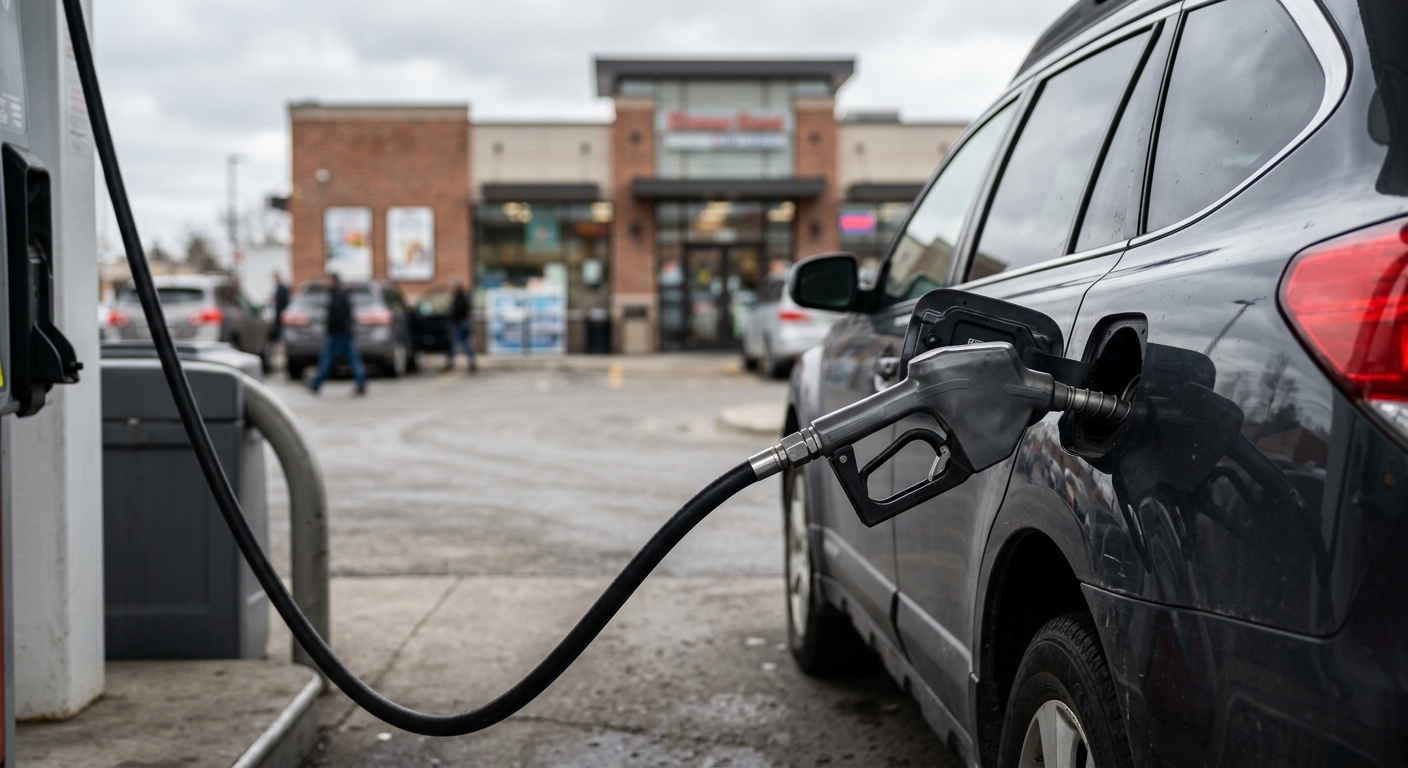
The most notable sectoral gain was posted by gasoline stations, where sales shot up by 12.4%. This surge is attributed to rising gas prices resulting from a supply shock linked to ongoing conflict in the Middle East. Despite the increase in dollar terms, volume sales at these stations actually declined by 1.9%, reflecting higher prices rather than rising demand. Alberta retailers in the fuel sector benefitted from these pricing dynamics.
Provincial Retail Sales: Alberta and Ontario Become Leaders
Several provinces contributed to the national growth picture. Ontario saw a retail sales increase of 1.4%, while Alberta stood out with its 2.6% jump. These provincial retail sales gains contrast with Quebec, which reported a 0.8% drop for the month. Such disparities illustrate ongoing regional variations within Canadian retail trade. Alberta’s performance is particularly notable amid broader uncertainty across the sector.
E-Commerce Maintains Upward Trajectory
Retail e-commerce sales rose by 1.5% in March, constituting 7.1% of all retail activity nationwide. This growth in ecommerce retail sales suggests that Canadian consumers, including those in Alberta, continue to diversify their purchasing channels. Online shopping now forms a durable and growing part of the overall retail landscape, complementing brick-and-mortar retailers’ efforts to increase their omnichannel presence.
Mixed Results for Motor Vehicles and Parts
The auto sector faced headwinds as motor vehicle and parts dealers reported a 0.5% decrease in sales, largely driven by a significant 4.0% drop in used car sales. Alberta’s auto market followed the national trend, with new cars stabilizing but used vehicles facing reduced demand. This segment underscores the variable nature of core retail sales, which softened even as headline figures improved.
Outlook for Canadian Retail Trade
Looking ahead, an advance estimate for April hints at a potential 0.6% rise in retail sales. However, this early number remains subject to revision as more data become available. The resilience displayed by the sector, especially in regions like Alberta, points to continued adaptability within Canadian retail trade. Retailers across the province are expected to monitor trends closely as shifting economic conditions and consumer behaviors create both challenges and opportunities.
Community Impact and Economic Significance
Retail sales growth plays a pivotal role in shaping local economies in Alberta and across Canada. With retail sales Canada showing positive momentum, communities across the region stand to benefit from increased commercial activity and job opportunities. Stakeholders and local businesses will be keen to leverage these trends while remaining mindful of sector-specific headwinds, particularly in motor vehicle sales and the delicate balance of core retail segments.