- calendar_today April 20, 2026
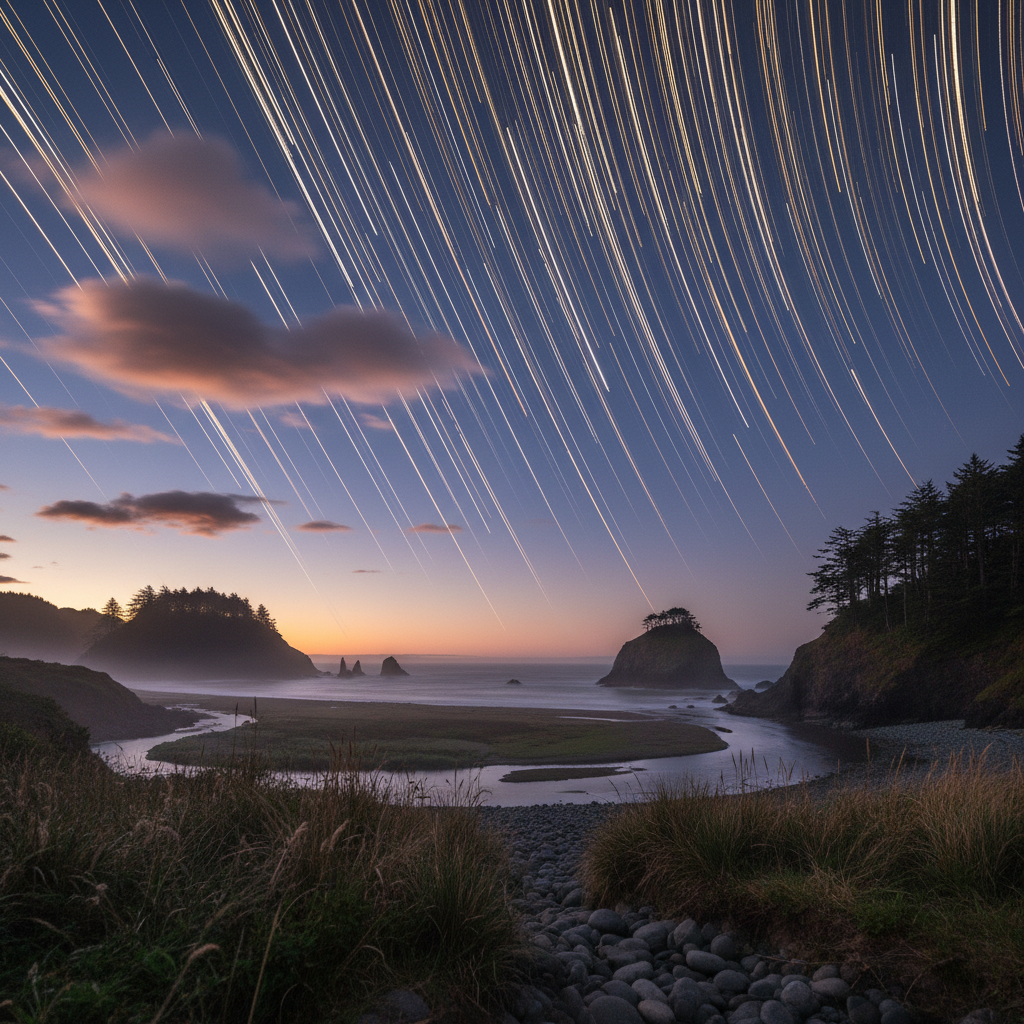
Oregon residents are witnessing the striking ‘season of satellites’ this spring and summer, a phenomenon that transforms the region’s night skies into a spectacular satellite light show. The period, most visible from April through early October, is marked by the regular appearance of luminous satellites, including the ever-expanding constellation of Starlink satellites, tracing slow arcs across the dusk and dawn horizon.
The Origins and Science Behind the Phenomenon
Each year, the season of satellites occurs across the northern hemisphere, with communities along the Oregon coast and throughout the state enjoying some of the best viewing opportunities. Scientists point to the earth tilt effect as a key factor behind this occurrence. During spring and early fall, the tilt of the Earth brings satellites into positions where they reflect sunlight shortly after sunset or before sunrise, creating at times a surreal glow in the atmosphere. In winter months, the earth’s shadow cone blocks this effect, reducing nighttime satellite visibility to a minimum.
Understanding the ‘Flare Zone’
A particular highlight of the display is the so-called satellite flare zone, typically about 20 to 30 degrees above the horizon. In this zone, satellites can appear incredibly bright, sometimes rivaling the stars and producing a dazzling experience for skywatchers. According to astronomers, light scattering in the upper atmosphere when the satellites are at this angle enhances their apparent brightness, causing what some observers describe as satellite flare events. These are particularly prevalent with large low-Earth orbit networks such as Starlink satellites, which operate in clusters and can sometimes move across the sky in trains.
The Impact of Satellite Overcrowding
This newfound brightness does not come without drawbacks. Experts have raised alarms over satellite overcrowding, noting that more than 15,000 active satellites now orbit Earth. The rapid growth of ventures like Starlink satellites, with thousands more planned, is beginning to affect not only skywatching but also professional fields such as astronomy and astrophotography. For astronomers in Oregon and elsewhere, the proliferation of night sky satellites can complicate research, making it more challenging to capture clean images of distant celestial objects. The presence of satellite streaks in long-exposure photographs has become a persistent issue for both amateur and professional photographers.
Regional Perspective: Oregon’s Astronomical Communities
Oregon’s strong astronomy community and its renowned dark sky parks—such as those along the Oregon coast—have been especially alert to changes in satellite visibility and the challenges posed by the season of satellites. Local clubs and observatories have reported heightened interest among residents eager to observe the summer spectacle, but also increased concern about the lasting effects of satellites and astronomy. Institutions from universities to local science museums are participating in outreach programs to educate the public on both the wonders and the potential consequences of this growing orbital presence.
Calls for Greater Awareness and Management
With satellite numbers increasing, experts highlight the urgent need for policy changes and better management of Earth’s orbital environment. Satellite overcrowding could eventually lead to more frequent collisions or debris events, compounding the risks faced by both operational satellites and orbital science missions. Many suggest international cooperation is required to keep satellite launches and orbital activities in check, ensuring that the spectacle enjoyed by residents doesn’t come at the cost of scientific progress or technological safety.
Looking Ahead: Balancing Wonder and Responsibility
While the season of satellites brings a unique and mesmerizing display to the skies above Oregon, this natural show serves as a reminder of the growing human footprint in space. As local communities gather to marvel at night sky satellites, ongoing dialogue between engineers, astronomers, and policymakers will be essential to protect both visual enjoyment and the sanctity of the night sky for future generations. For now, Oregon’s population can reflect on both the beauty and the responsibility bestowed by the era of easily visible satellites streaking overhead each summer.