- calendar_today April 8, 2026
Recent reports of animal deaths along the Washington coast have raised alarms for communities in Oregon, sparking concern over wildlife health and coastal safety. The cluster of incidents, including multiple whale deaths and a troubling number of stranded wild canines, highlights a critical need for regional attention to animal mortality events and broader ecosystem challenges.
Unusual Whale Deaths Reported Near Oregon
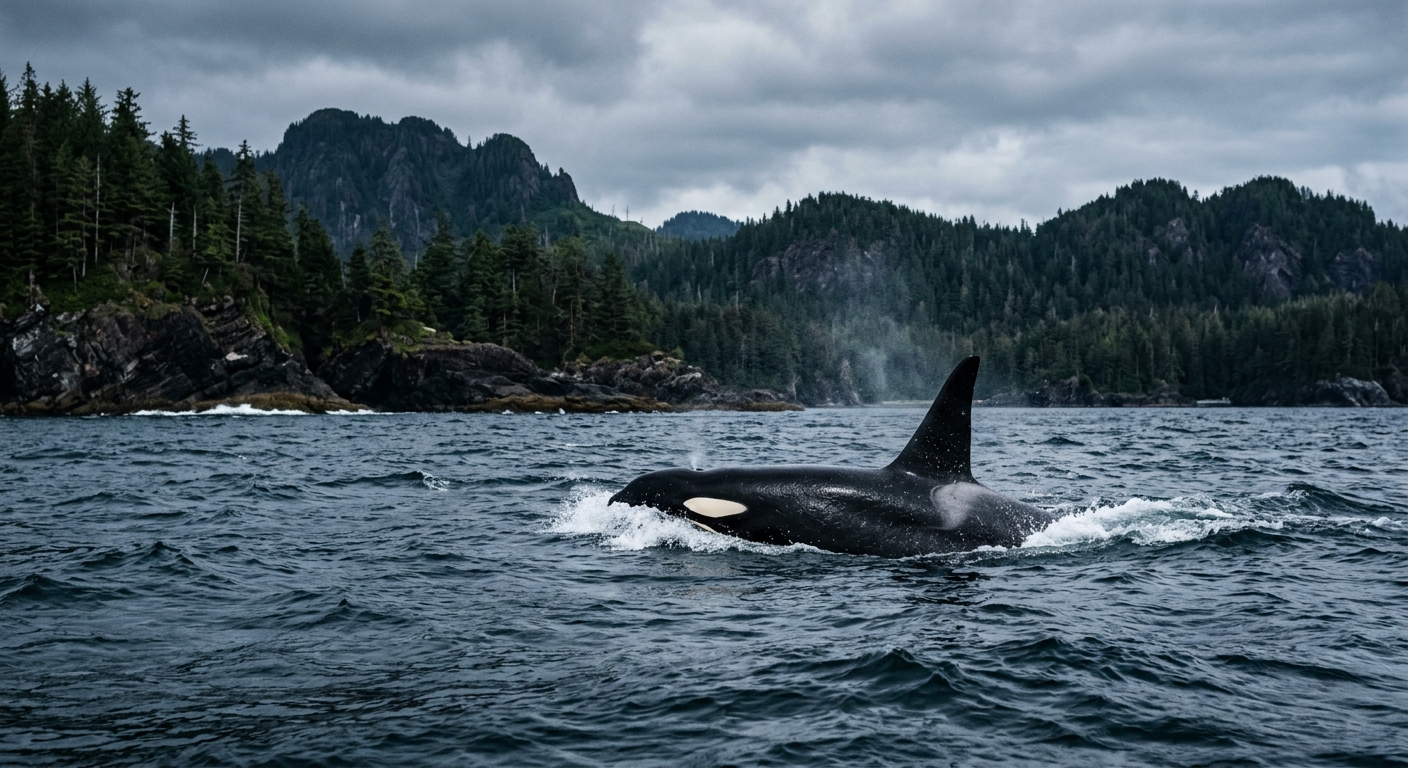
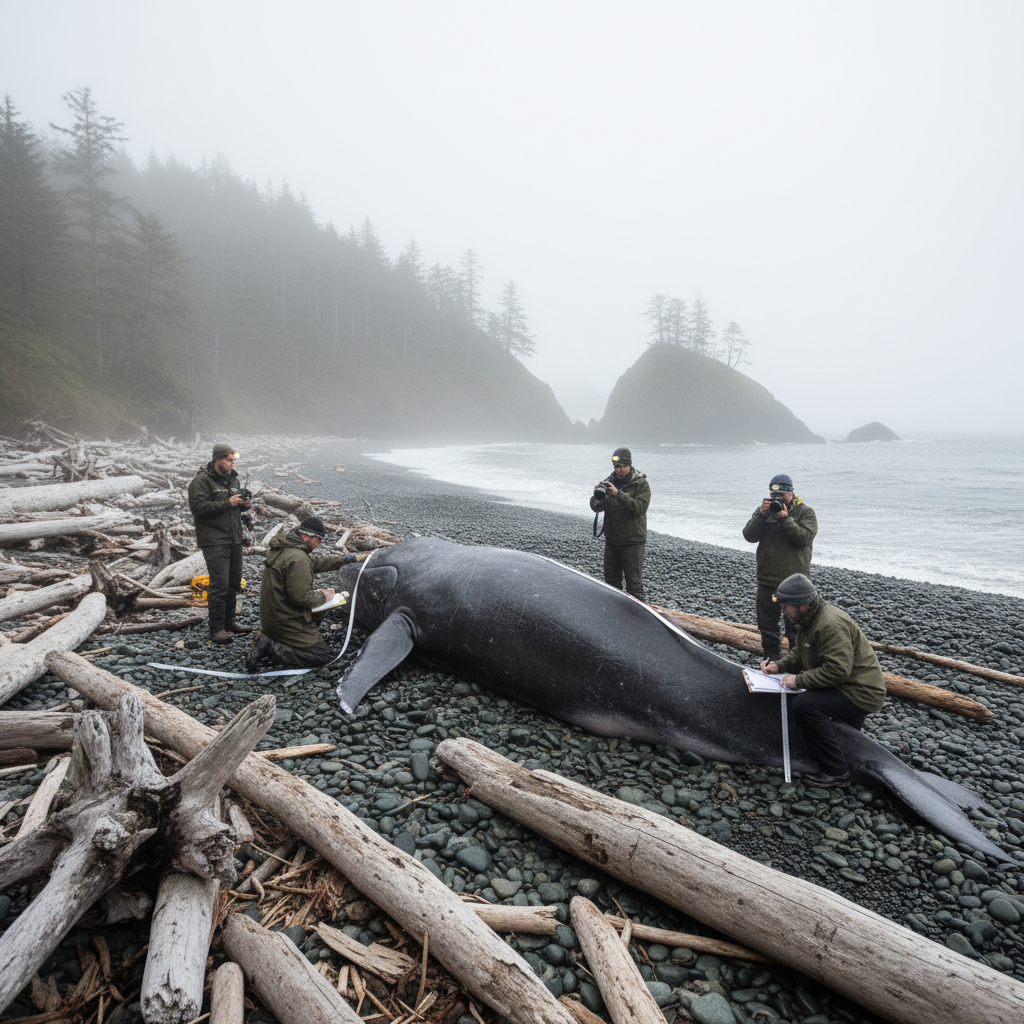
A remarkable yet somber event unfolded when a juvenile gray whale was spotted swimming roughly 20 miles up the Willapa River, an episode that drew fascination from nearby Oregon and Washington residents. Observers initially noted the animal’s thin appearance, but it behaved typically as it navigated upriver. Unfortunately, the river whale was found deceased several days later. Around the same period, two gray whales washed up on the Ocean Shores beach, strengthening concerns over increased whale deaths along the broader northwest coastline.
Necropsies and Wildlife Investigations Underway
The Washington Department of Fish and Wildlife (WDFW) responded promptly, conducting thorough necropsies on the washed-up marine mammals. Preliminary reports suggest the deaths may be linked to broader issues impacting gray whales. Wildlife investigations remain active, with officials scrutinizing environmental conditions and potential food scarcity affecting these marine mammals. The use of necropsies is crucial to determining precise causes and guiding regional responses.
Spate of Canine Deaths Disturbs Communities
In Skagit County, local authorities are examining a disturbing set of findings: over 21 deceased wild canines discovered along the shoreline. Unlike previous animal strandings, these canine deaths stand out due to signs of severe trauma, with several animals missing skin or front paws. Initial tests indicate these animals are not domestic dogs, and DNA analysis is underway to confirm their species.
Animal Strandings Raise Oregon’s Wildlife Safety Concerns
While there is currently no evidence that the canine deaths and the marine mammal incidents are directly related, together they underscore persistent threats to wildlife safety along the Pacific coastline. Wildlife experts from both Washington and Oregon emphasize the importance of public caution; residents and beach visitors are being asked to refrain from interacting with stranded animals to avoid health risks and contamination of investigation sites. Protecting local wildlife health demands vigilance and cooperation from the entire region.
Regional Impact and the Need for Ongoing Vigilance
Oregon stakeholders, including marine biologists and environmental authorities, are closely watching the situation across the state line. These animal deaths—spanning whale deaths, canine mortalities, and broader animal strandings—have prompted renewed calls for robust response protocols and public education throughout the Pacific Northwest. The region’s interconnected habitats make cross-state cooperation vital in facing challenges to marine mammals, terrestrial wildlife, and overall wildlife safety.
Authorities Urge Public Cooperation
Officials continue working to clarify causes behind these troubling deaths, with further necropsies and wildlife investigations scheduled. Local residents are reminded that timely reporting and non-interference are key to safeguarding both investigative integrity and public safety. As investigations proceed, the Oregon and Washington coastlines remain under careful observation, reflecting broader efforts to secure the health of beloved coastal ecosystems and their vulnerable inhabitants.