- calendar_today August 28, 2025
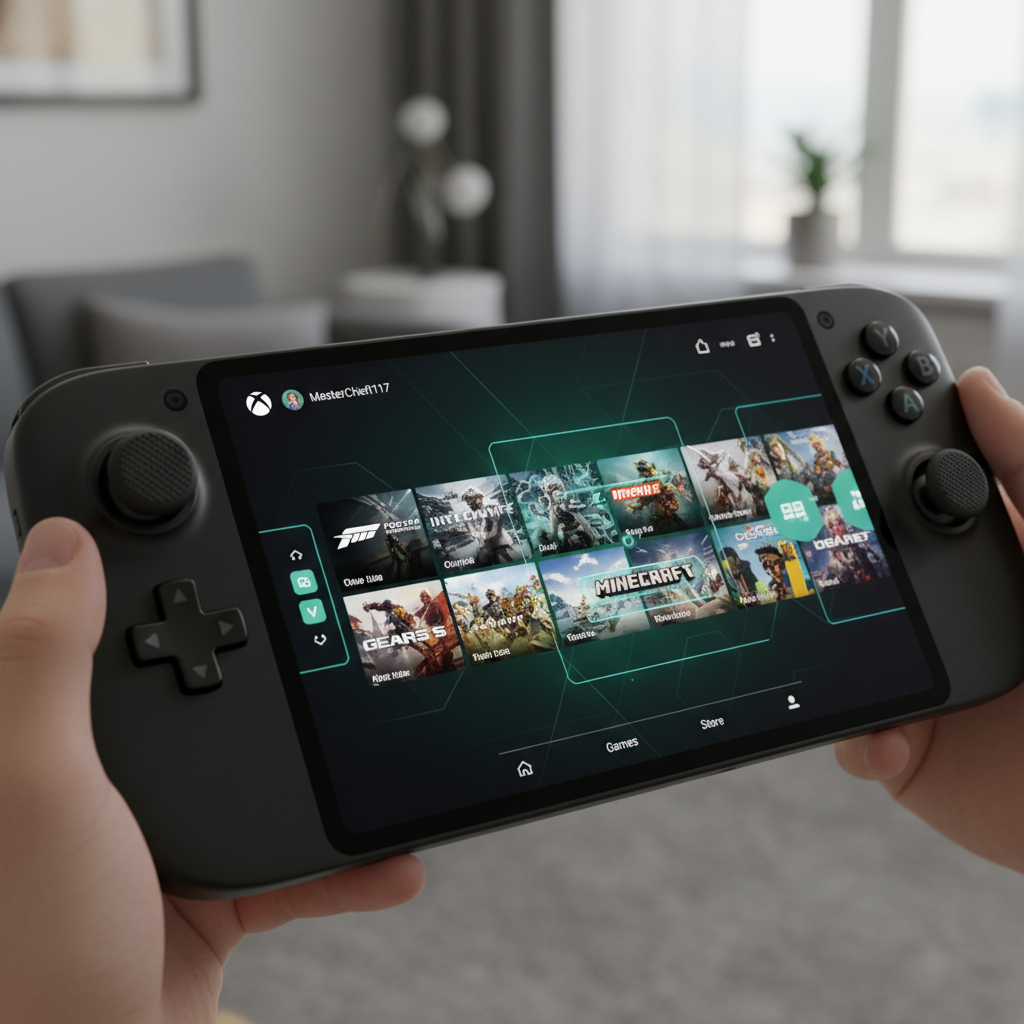
Microsoft has entered the portable gaming market by launching an Xbox-themed user interface specifically for portable Windows devices. Asus worked with Microsoft to develop the new interface which will first appear on the ROG Xbox Ally. The newly developed interface abandons the classic Windows desktop setup and instead implements a tile-based full-screen layout designed to enhance touchscreen operation and gamepad input for a console-style experience.
The Steam Deck from Valve has dominated the handheld gaming market until today by utilizing a Linux-based operating system named SteamOS. SteamOS lacks native support for every Windows game but enables many of them to run using Proton which has been continuously developed. Although the system has many impressive features it remains unable to fully replace Windows and some users may encounter compatibility issues. The system’s gaming-first approach combined with efficient performance has brought it significant popularity.
Microsoft’s latest Xbox UI aims to combine Windows flexibility with gaming console simplicity in user experience. Users will benefit from having access to the extensive Windows game library through a portable format that provides a more intuitive experience. The new UI will first launch on the ROG Xbox Ally before being rolled out to other ROG Ally models according to Microsoft. The rollout will expand to additional Windows handhelds beginning in the year 2025.
Microsoft has not officially connected the new interface to its 2022 internal “Windows Handheld Mode” concept but it is evident that the two share similarities. An internal hackathon project initially aimed to resolve Windows’ handheld shortcomings including inadequate touch support and restricted controller functionality through the development of a streamlined gaming-oriented interface.
The updated Xbox UI delivers significant performance enhancements while maintaining an intuitive appearance and interaction. Microsoft states that the new interface saves several gigabytes of RAM while decreasing energy usage compared to the traditional Windows desktop. Handheld gaming devices benefit from improved performance and extended battery life thanks to the direct translation of these savings. The normal ROG Ally required both Windows operating system and Asus’ Armoury Crate software which created extra computational overhead. The Xbox UI now addresses this issue while maintaining system efficiency.
Users will retain their access to the traditional Windows desktop environment after the UI overhaul. The classic interface remains accessible to users who need to initiate it through manual steps. The hybrid method lets users switch from a gaming-focused interface to a complete desktop experience at any time.
Valve enhances its market position by advancing the development of SteamOS and Proton. Proton now supports more Windows games than ever before and has extended its compatibility to devices outside the Steam Deck ecosystem such as certain ROG Ally models. Linux’s share of the worldwide desktop market now exceeds 4% because of the enhancements made to SteamOS which transformed it from an edge player in mainstream gaming.
Microsoft’s slow reaction to these advancements is due to its current focus on AI and security improvements. The gaming industry had long overlooked handheld gaming as a competitive threat to Windows PCs. The triumph of the Steam Deck combined with the development of platforms like SteamOS has begun to dispute previous assumptions regarding handheld gaming’s impact on Windows PC dominance. Now, Microsoft is finally responding.
Key takeaways from Microsoft’s move include:
- Starting in 2025 the ROG Xbox Ally will launch a new Xbox UI which Microsoft plans to extend to additional devices.
- A full-screen tile-based system designed specifically for gaming replaces the classic Windows desktop interface.
- Microsoft asserts that their new user interface design will conserve RAM resources while minimizing power consumption and enhancing system performance.
- Users maintain complete control over their devices because the traditional desktop UI remains accessible.
The success of Microsoft’s Xbox UI as a groundbreaking innovation or simply a reaction to competition will hinge on its adoption rate together with its performance when compared to SteamOS. But one thing is clear: Microsoft is finally taking handheld gaming seriously.