- calendar_today August 13, 2025
Introduction
India’s largest automaker, Maruti Suzuki, has increased prices by up to 4% across its range of vehicles from April 2025. The move, prompted by rising raw material prices, higher labor costs, and worldwide supply chain disruptions, is likely to find its way into international automobile markets, including the U.S.
Although Maruti Suzuki does not offer cars for direct sale in Oregon, drivers of the state could still experience repercussions from this cost hike. When global supply networks are interconnected, increased production prices may have repercussions on fuel-saving and low-priced cars, favored by Oregon motorists.
Why is Maruti Suzuki raising prices?
Several major reasons led to Maruti Suzuki increasing its prices:
- Escalating Material Prices – Steel, aluminum, and lithium (essential for EV batteries) costs have risen significantly, which is increasing the cost of auto manufacturing.
- Increased Manufacturing and Labor Costs – Inflation and wage growth have boosted the overall cost of vehicle manufacturing.
- Continued Supply Chain Interruptions – Shortages in semiconductors and shipping limitations continue to disrupt the auto sector.
- Stringent Safety and Emissions Standards – Complimenting world standards in terms of safety and emissions would involve automobile makers putting additional amounts of money in acquiring newer technology, yet another cause of expenses being driven upwards.
Future Consequences to Oregon’s Motor Industry
1. Increase in Fuel-Efficient and Economical Car Prices
Drivers from Oregon like using economical and eco-friendly vehicles. Should the Maruti Suzuki price increase precipitate trends elsewhere, among other automakers, global trends would induce greater costs of economic and fuel-efficient vehicles on customers.
2. Higher Demand for Used Cars
When new cars become more expensive, consumers in Oregon might opt for used cars since they are cheaper. The prices in the used car market could be pushed upward, thereby making second-hand vehicles less affordable.
3. Disruptions of Supply Chains Impacting Local Dealerships
Even though Maruti Suzuki’s price changes apply to international markets, increased material costs and supply chain constraints could cause delays or price hikes at Oregon dealerships for brands that rely on global suppliers.
4. Growth in Electric Vehicle (EV) Sales
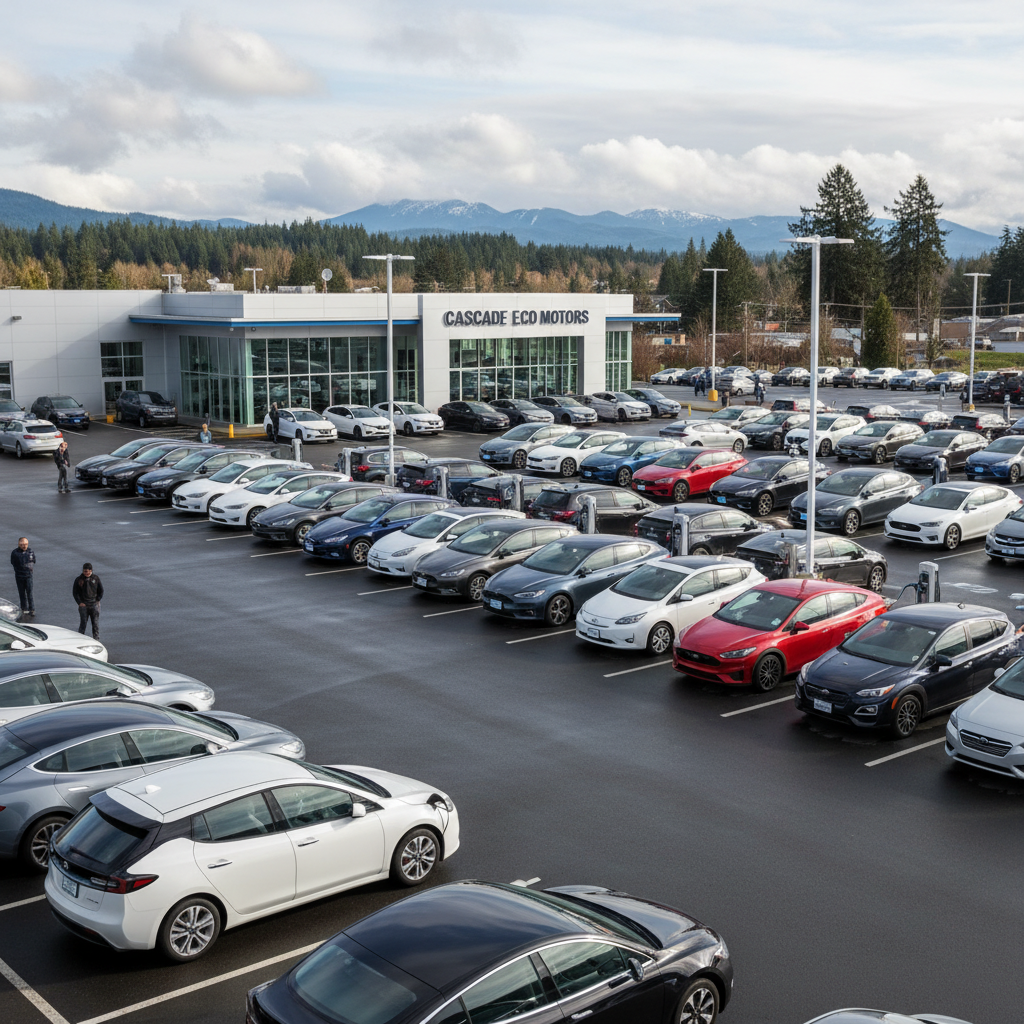
Oregon has a high rate of EV adoption due to strong government incentives and a well-developed charging infrastructure. If traditional gas-powered vehicle prices rise, more Oregonians may opt for electric alternatives.
How to Prepare Oregon Car Buyers
For anyone planning on purchasing a car in 2025, these are the ways to protect yourself from probable price hikes:
- Buy Now Before It’s Too Late – If looking for a new car purchase, buying now before prices increase may help save cash.
- Look at Leasing as an Option – Leasing could prove to be a cheaper option if car ownership becomes pricey.
- Track Used Car Prices – Checking on the pre-owned market would allow for greater bargains to be negotiated.
- Check Out EV Incentives – Oregon state and federal incentives on electric cars make them the budget-friendly shopper’s choice.
Looking Ahead: Oregon’s Car Market in 2025
As Oregon drivers cruise through an evolving auto industry, a few trends will form the landscape:
- EV Popularity Continues to Grow – With new state laws supporting zero-emission vehicles, more Oregonians are likely to make the switch to EVs.
- Vehicle Technology Advances – Intelligent features such as AI-driven driving and improved safety systems are becoming the norm.
- Economic and Interest Rate Factors – Vehicle financing costs and inflation will be a determining factor in consumer purchases.
Conclusion
Maruti Suzuki’s April 2025 price hike highlights the growing challenges facing the global auto industry. Although Oregon does not have direct sales from the brand, the effects of rising production costs could influence local car prices, dealership inventories, and consumer buying habits. Staying informed and exploring alternative options, such as EVs or used vehicles, can help Oregon drivers make the best financial decisions in an evolving automotive landscape.