- calendar_today August 8, 2025
Tariffs and Trade Tensions Drive Up Costs for Oregon’s Luxury Auto Market
Discover how Trump’s trade policies in 2025 are increasing costs and disrupting Oregon’s luxury auto industry, affecting dealers and consumers alike.
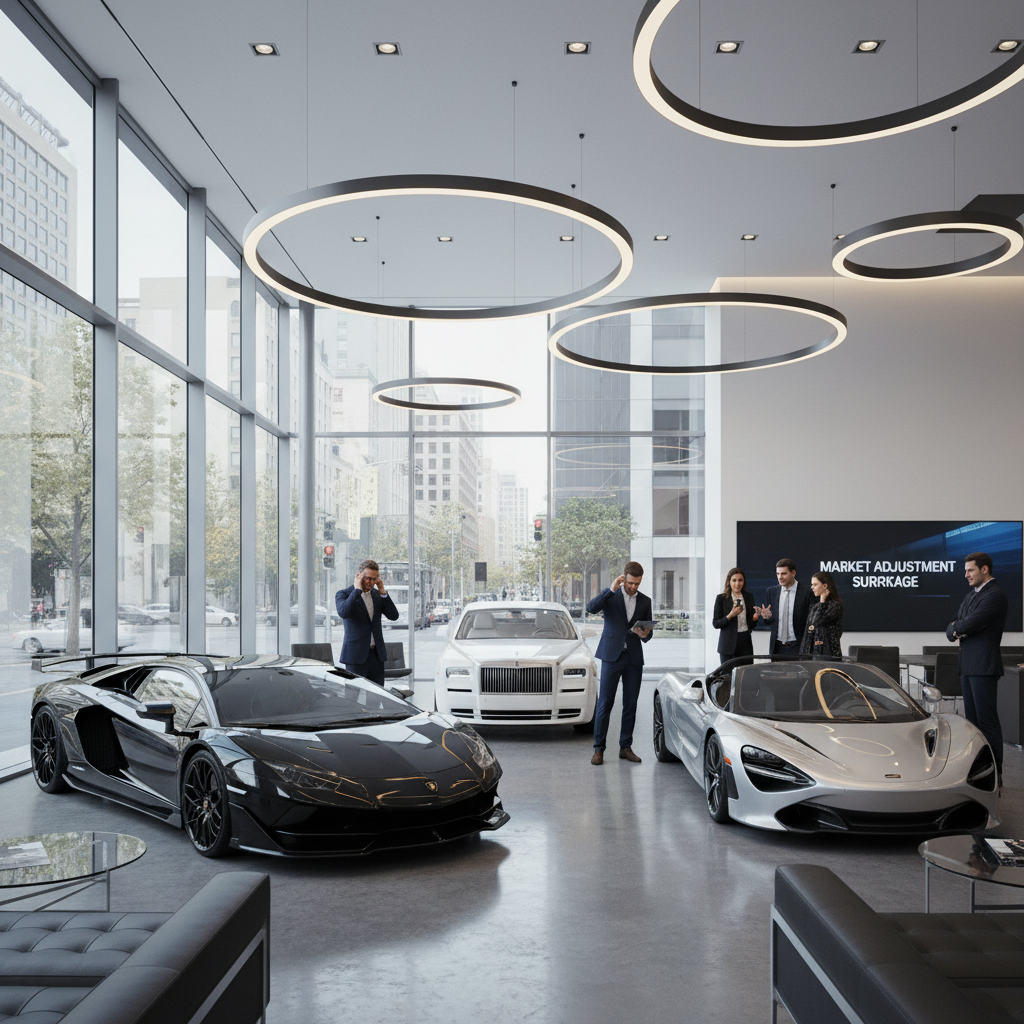
In 2025, Oregon’s luxury auto industry is under increasing pressure due to former President Donald Trump’s trade policies. Tariffs on imported vehicles and automotive parts are causing rising costs, supply chain disruptions, and economic uncertainty across the state. Luxury auto dealerships, which rely heavily on imports from Europe and Asia, are particularly vulnerable as they face soaring prices and shifting consumer demand.
Rising Costs and Limited Supply
Oregon’s luxury car market, known for its demand for premium brands like BMW, Mercedes-Benz, and Audi, is facing sharp price increases. The imposition of tariffs on European and Asian imports has raised the cost of luxury vehicles by thousands of dollars. Consumers who once found high-end cars relatively accessible now face higher price tags, making luxury models less affordable for the average buyer.
Dealerships are struggling to maintain their inventory due to delays caused by trade barriers. Importing parts for repairs and maintenance has also become more expensive and time-consuming. For consumers, this means longer wait times for vehicle servicing and fewer available models to choose from.
Impact on Local Dealerships
Luxury auto dealerships across Oregon are feeling the financial strain as the cost of doing business rises. Small and mid-sized dealers are particularly vulnerable, as they lack the financial resources to absorb increased expenses. Some dealerships have already begun reducing their inventory of imported models, focusing instead on domestic brands that are not subject to the same tariffs.
Despite efforts to adjust to the new trade landscape, many dealers report a decline in sales as consumers delay luxury purchases or opt for more affordable alternatives. High-end electric vehicles, once a growing segment in Oregon’s eco-conscious market, are also affected by rising import costs on key components.
Consumer Behavior Shifts
Oregon’s consumers are adapting to the changing market by exploring more cost-effective options. Many luxury car buyers are shifting to pre-owned vehicles or leasing instead of purchasing new models. Others are considering domestic alternatives, which are not impacted by the same level of trade tariffs.
Additionally, the increased cost of imported parts has made repairs and maintenance more expensive, further discouraging luxury vehicle purchases. Consumers are becoming more cautious, evaluating the long-term costs before committing to high-end vehicle ownership.
Economic Ripple Effects
The effects of Trump’s trade policies extend beyond car dealerships. The luxury auto sector supports a network of local businesses, from repair shops to financing companies. As sales decline, these connected industries face reduced revenue and potential job losses.
Oregon’s economy, which relies on a mix of technology, agriculture, and manufacturing, is feeling the impact as auto industry pressures spill into other sectors. Reduced consumer spending on luxury items can have a broader effect on local economic growth, especially in urban centers like Portland and Eugene.
Political and Industry Responses
Oregon’s political and business leaders are pushing back against the tariffs, calling for policy revisions that would reduce the burden on the state’s economy. Industry groups representing auto dealers continue to advocate for targeted tariff relief and more predictable trade policies to stabilize the market.
Some luxury automakers are exploring domestic production options to bypass tariffs, but these shifts take time and significant investment. In the meantime, Oregon’s luxury auto market remains in flux, with ongoing uncertainty about future trade policies and their long-term consequences.
Looking Ahead
As 2025 progresses, Oregon’s luxury auto industry will continue to navigate the challenges posed by Trump’s trade policies. Dealers are adopting new strategies to maintain their customer base, including offering competitive financing and expanding their certified pre-owned inventories.
For consumers, the decision to purchase a luxury vehicle has become more complex, requiring careful consideration of rising costs and supply chain issues. While some market adjustments may provide temporary relief, the broader impact of trade policies on Oregon’s luxury auto sector is likely to persist, shaping the industry for years to come.