- calendar_today September 19, 2026
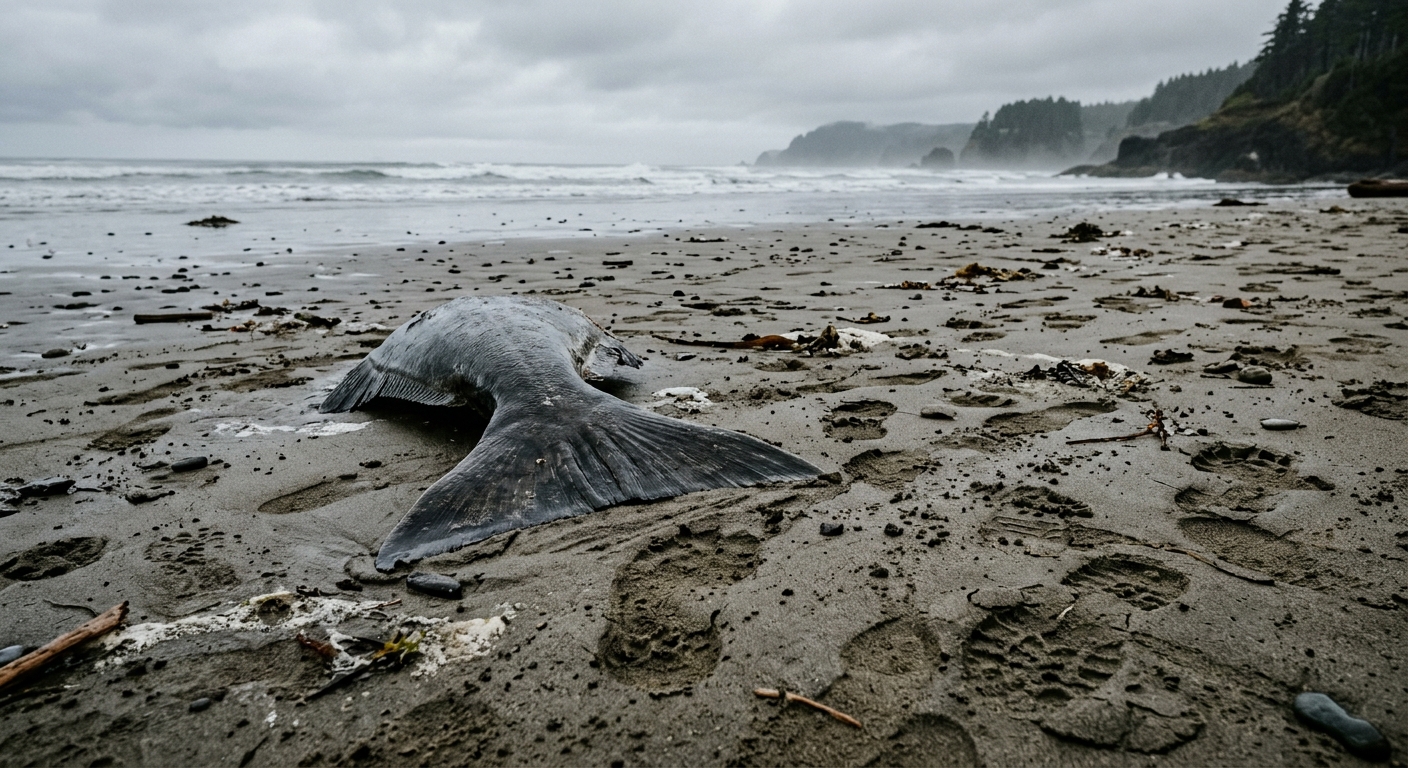
A recent incident involving a deceased thresher shark along the Washington coast near Ocean Shores has underscored the challenges facing shark conservation and research efforts in the Oregon region. The thresher shark, already considered a vulnerable species, washed ashore only to have its head illegally removed within hours—a development that has prompted concern from both regional scientists and the Washington Department of Fish and Wildlife (WDFW).
Shark Stranding Incident Hampers Critical Research
The discovery of the thresher shark generated immediate interest among the marine wildlife community, as shark stranding events often provide invaluable data. According to WDFW researcher Lisa Hillier, intact specimens are crucial for identifying the cause of death, whether due to shark bycatch, disease, or environmental factors. “Losing access to the shark’s head removes the possibility of collecting key biological data,” noted Hillier, emphasizing that every detail, from teeth patterns to tissue samples, can reveal insights about individual and population health.
Illegal Removal Prompts Investigation
The removal of the thresher shark’s head is not just an ethical violation; it’s illegal under current wdfw regulations. The Department now seeks public assistance in identifying those responsible for the illegal shark removal. With recreational fishing of common thresher sharks already banned in Washington waters to protect the species, such acts undermine regional shark conservation initiatives.
Regional Shark Conservation Efforts Intensify
The Oregon coast, along with nearby Washington coast areas, has seen an uptick in shark strandings, particularly during winter. Thresher sharks are frequently found in these incidents, and their vulnerable status has prompted stricter protective measures. Conservationists point to the vital role of sharks in maintaining the balance of marine ecosystems and believe recent actions highlight the ongoing need for robust shark conservation programs in Oregon and neighboring coastal regions.
Influence of El Niño and Shifting Marine Populations
Researchers attribute some changes in coastal wildlife patterns to el nino effects, which alter ocean temperatures and currents. These climate-driven shifts are bringing tropical fish and sharks, including thresher sharks, further north. More unusual shark sightings and strandings, particularly along the Oregon and Washington coastlines, are now anticipated, heightening the importance of scientific vigilance and public cooperation.
The Role of the Public in Marine Wildlife Stewardship
WDFW stresses the importance of community engagement in shark research and protection, advising local residents and visitors not to touch or move stranded sharks or marine mammals. Instead, individuals are encouraged to report any incidents immediately to authorities, helping to ensure that researchers can gather the data needed to support sustainable marine wildlife populations.
Supporting Future Shark Research
Incidents like the Ocean Shores event demonstrate the fragile balance in protecting shark populations and supporting scientific study. With threats such as illegal removal and bycatch continuing to endanger these species, agencies and the local Oregon community must work hand in hand to ensure that vital research is not impeded in the future. Efforts focused on education, legal enforcement, and responsible public action are central to advancing the region’s role as a steward of the Pacific marine environment.