- calendar_today August 3, 2026
Oregon is preparing for an intense spell of hot weather as the National Weather Service (NWS) issues a heat advisory Oregon, warning residents about soaring temperatures and worsening air quality brought by wildfire smoke. The advisory encompasses much of western Oregon, including the Willamette Valley and Portland–Vancouver metropolitan area, with inland valleys expected to see temperatures between 95 and 100 degrees Fahrenheit in early August 2026.
Heat Wave Targets Pacific Northwest Communities
This oregon heat wave is part of a broader weather pattern affecting the Pacific Northwest weather, impacting both Oregon and southern Washington. With unusually warm air settling over the region, the National Weather Service forecasts several days of above-normal heat. The warning, in effect from noon Tuesday through at least Wednesday night, may be extended if conditions persist. Residents in Portland, Salem, Eugene, and nearby areas can expect significant discomfort and moderate to major health risks, especially for those without air conditioning or reliable indoor cooling.
Wildfire Smoke Raises Air Quality Concerns
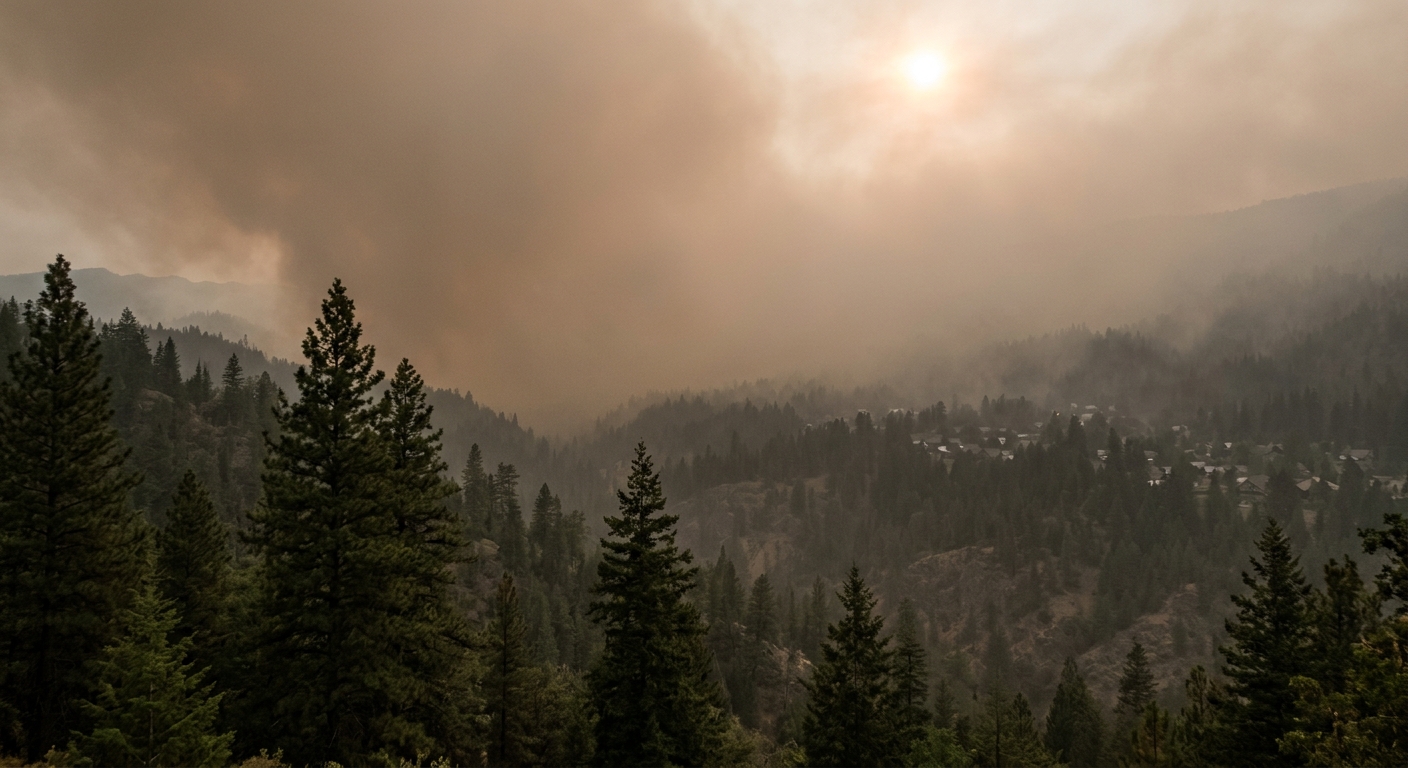
Wildfire smoke Oregon is expected to drift across urban and rural areas this week, prompting additional concerns for vulnerable populations. Portland air quality is projected to reach levels considered unhealthy for sensitive groups, such as children, the elderly, and those with respiratory conditions. The Oregon Health Authority and local agencies are urging residents to monitor air quality advisories frequently and limit strenuous outdoor activity when pollution spikes.
Coastal and Inland Areas Brace for Heat
While inland valley heat will be most severe, the advisory also notes that oregon coast heat could briefly reach the low 90s during periods of offshore winds. However, most coastal towns will experience modest relief compared to the interior. Residents in popular vacation spots along the coast should remain vigilant, though cooler ocean breezes will provide some respite from the heat gripping western Oregon temperatures further inland.
Multi-Region Heat Advisories in Effect
The northwest heat advisory is not limited to Oregon. Heat advisory Washington has also been issued for certain counties, as the weather system extends northward. Emergency planners across state lines are closely coordinating to ensure the public receives timely updates and guidance.
Risks for Heat-Related Illness and Safety Guidance
The prolonged heat raises concerns about heat related illness. Public health experts emphasize the importance of remaining hydrated, seeking out air-conditioned spaces, and checking on friends, family, and neighbors who may be at risk. The Oregon Department of Human Services is partnering with local organizations to provide cooling centers in urban hubs like Portland, as well as in smaller towns throughout the Willamette Valley.
Community Measures and Preparation
Schools, daycare facilities, and elder care centers across Oregon are preparing for the heat by adjusting outdoor activity schedules and expanding access to shaded or indoor areas. Emergency alerts and detailed safety information are being distributed through local government channels, including resources to help recognize early signs of heat exhaustion and heatstroke, especially during peak afternoon hours when western Oregon temperatures are expected to be highest.
Looking Ahead: Weather Outlook and Monitoring
Meteorologists are closely monitoring the forecast, as a prolonged period of high temperatures and poor air quality may persist if weather patterns do not shift. Regional residents are advised to follow updates from the National Weather Service and local media outlets to ensure ongoing awareness of potential hazards caused by inland valley heat and wildfire smoke Oregon. With the changing climate heightening the risks of extreme events, Oregon’s communities are adapting their response strategies in real time. As the early August heat wave takes hold, communities across Oregon and the Pacific Northwest are reminded of the critical importance of preparation, vigilance, and regional solidarity.