- calendar_today June 22, 2026
As Oregon contended with an early summer heatwave on June 14, 2026, reaching temperatures well into the mid-90s, local scientists and enthusiasts turned their attention to the sky. In an impressive display of solar photography, Portland-based amateur astronomer Patrick Finney captured detailed, close-up images of the sun that provided rare insights into solar activity for the region’s astronomy community.
An Unusual View of the Sun from Oregon
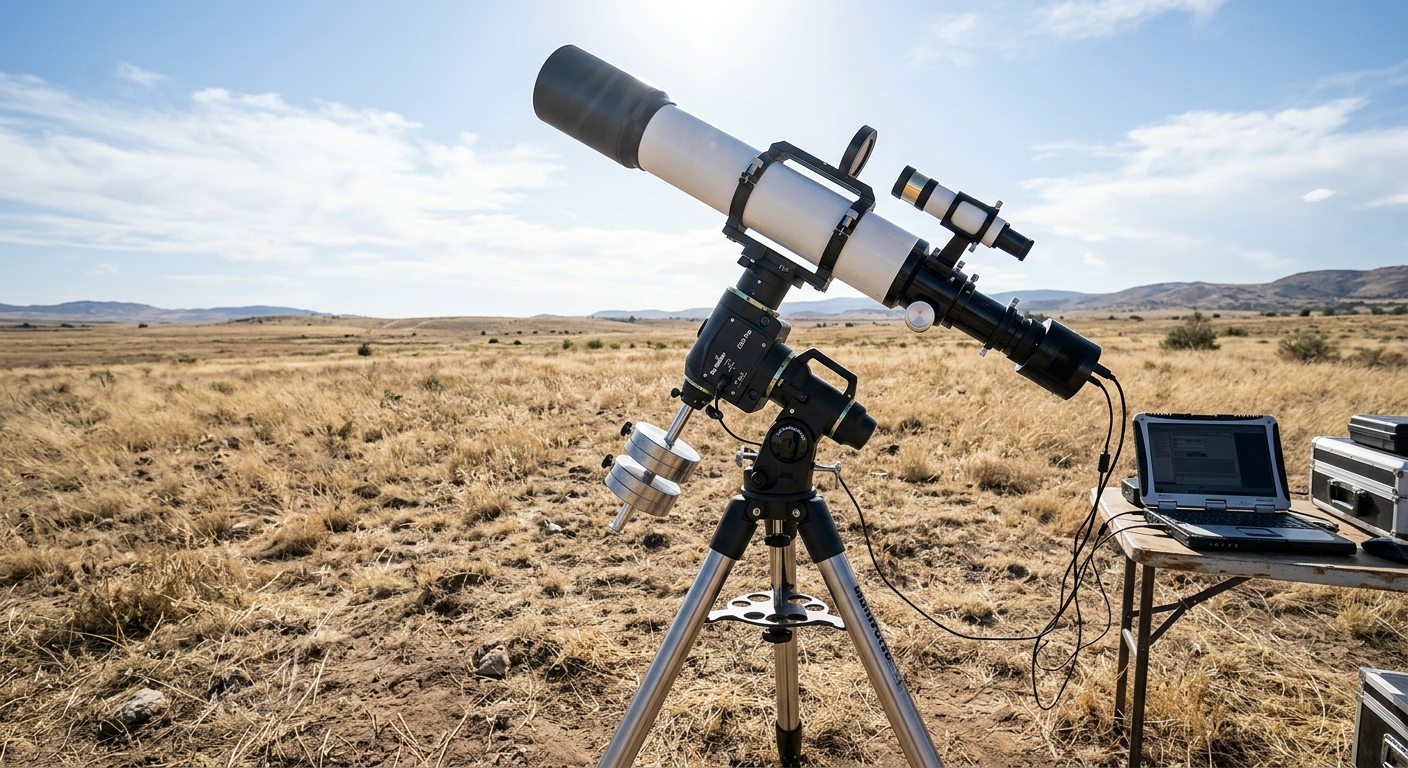
Using specialized hydrogen alpha equipment, Finney documented features that often go unnoticed in conventional space-based images. With Portland’s clear skies offering ideal viewing conditions, he was able to record sun prominences, coronal holes, and intricate patterns of solar granulation. The granulation arises from plasma movements deep within the sun, creating a complex texture across its surface that is rarely witnessed in such high definition.
Capturing Magnetic Activity and the Chromosphere Layer
The equipment used by Finney enables imaging of the sun’s chromosphere — a layer positioned above the photosphere — where solar magnetic activity manifests as loops and prominences. The photographs captured swirling plasma loops and active magnetic regions, furthering understanding of the dynamic processes shaping our closest star. Portland OMSI astronomer Jim Todd commented on the scientific value of these amateur astrophotography efforts, emphasizing how local initiatives can illuminate the details of the sun’s mid-chromosphere and uncover shifting magnetic fields.
Comparisons and Collaborations with Local Experts
Unlike the broad perspective offered by satellite imagery, these ground-based solar observations from Oregon deliver a personal and highly detailed vantage point. Todd affirmed that the images align with NASA’s explanations of solar granulation, providing a visual education for those interested in Portland astronomy or general solar science. His analysis underscored the significance of regional experts working alongside national agencies to interpret and expand on these findings.
Absence of Sunspots and the Importance of Timing
Interestingly, when Finney captured his sun images, there were no visible sunspots, a detail that was particularly noteworthy to observers. However, sunspots emerged in subsequent days, illustrating the sun’s ever-changing face and reminding Oregon’s astronomy community that stellar dynamics are in constant flux. Such unpredictable changes make local and timely documentation all the more valuable—especially with the region’s expanding interest in solar photography.
Solar Features Inspire Broader Community Participation
The event coincided with a regional surge in public interest about solar and space phenomena. Earlier in the week, residents of Washington state, just north of Oregon, experienced a rare aurora borealis, drawing increased attention to upper atmospheric and solar effects. In this context, Portland astronomy organizations, science centers, and enthusiasts are using detailed solar imagery to foster educational outreach, encouraging more citizens to participate in solar imaging and data collection with amateur tools.
Connecting Technology, Science, and Public Engagement
As technology evolves, amateur astronomers like Finney are proving essential to Oregon’s vibrant scientific community. The intersection of advanced amateur astrophotography and institutional science ensures that discoveries about sun prominences, coronal holes, and solar magnetic activity continue to be accessible not only to experts but also to curious members of the public. The success of these efforts underscores how solar photography in Oregon brings the wonders of the sun closer to home, inspiring future curiosity and cross-generational learning about the universe.