- calendar_today June 11, 2026
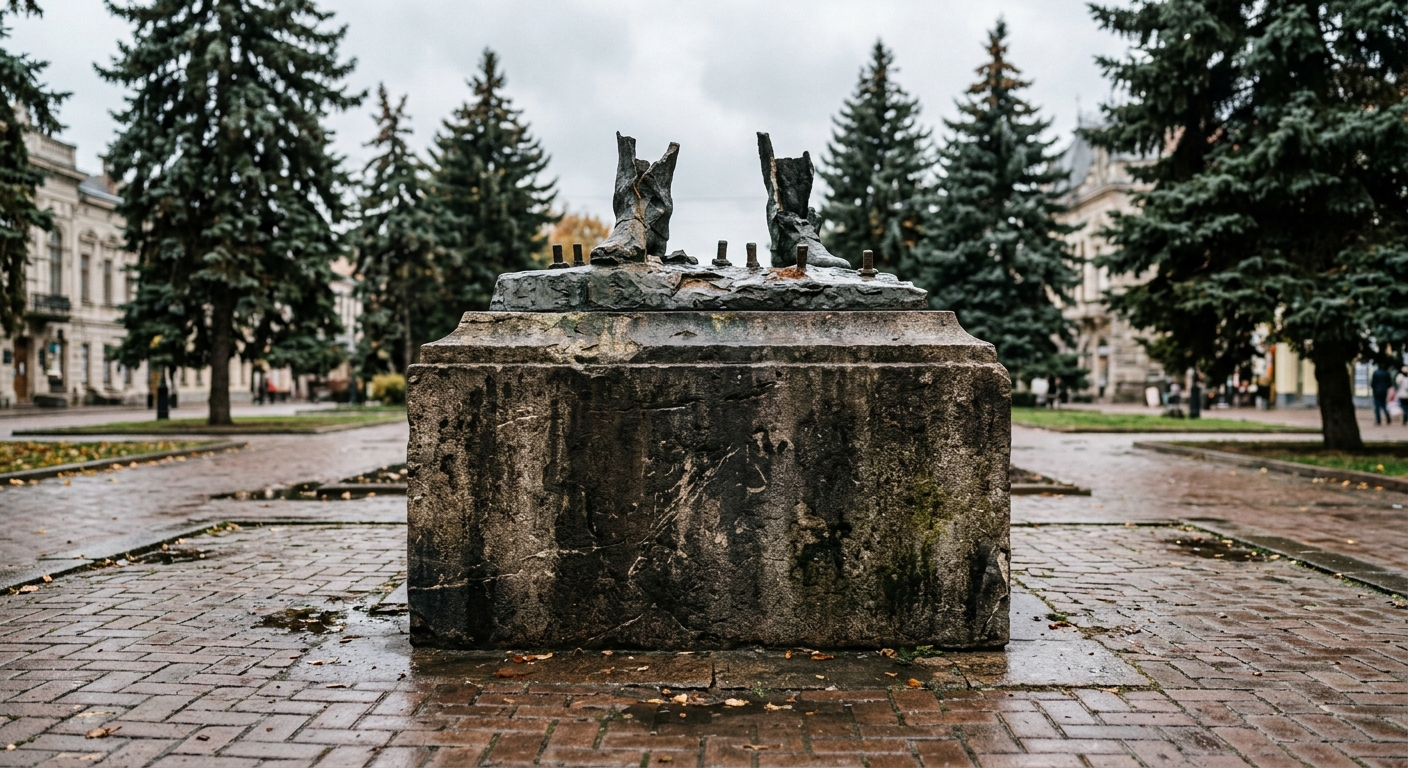
In Oregon, a troubling rise in metal theft is threatening public sculptures and the legacy of local artists. Communities across the region are grappling with increasing incidents of stolen or vandalized artworks, raising concerns among artists, cities, and cultural advocates about the security of public art installations.
Iconic Works Targeted by Thieves
Peter Helzer, an acclaimed sculptor with deep roots in the Eugene area, has seen his creations become frequent targets of both public art theft and sculpture theft. Notably, his well-known piece “The Storyteller,” which graces Ken Kesey Square, is just one among several installations damaged or taken from public spaces in Oregon and Washington. Thieves often view these pieces merely for their metal content, disregarding years of artistic endeavor and community significance.
Metal Theft Hits Communities Across the Region
Helzer’s experience reflects a broader problem affecting cities from Medford and Eugene to Portland. Public sculptures, especially those situated in children’s play areas and bustling plazas, have disappeared after standing for decades. The widespread nature of artwork vandalism leaves communities and officials searching for effective metal theft prevention measures to protect these vital cultural landmarks.
Recycling Companies Face Tough Challenges
Once stolen, these bronze components are often sold to recycling companies. Distinguishing between legitimate and stolen metal is a difficult task for recyclers because thieves typically crush or strip pieces, erasing evidence of their origins. Firms such as Pacific Recycling assert strict adherence to oregon metal laws, including state rules under ORS 165.117, which mandate thorough verification of sellers’ identities and detailed transaction records to help prevent unlawful activity.
Using Technology for Stolen Metal Identification
Recycling industry stakeholders have augmented legal requirements with technological tools. Many facilities now turn to platforms like ScrapTheftAlert.com for timely stolen metal identification. Through this network, recyclers can receive updates and match material in their inventory with reports filed by law enforcement or art owners, strengthening regional efforts to intercept stolen goods and support recovery operations.
Law Enforcement and Public Awareness
Despite regulatory and technological advances, the prevalence of metal theft remains daunting. Law enforcement agencies continue to partner with recycling businesses to investigate suspicious transactions and monitor emerging theft patterns. Public awareness campaigns also urge residents to report signs of public art theft and suspicious activity near sculptures, recognizing that community vigilance is crucial for metal theft prevention.
Safeguarding Oregon’s Cultural Heritage
For creators like Helzer and countless residents across Oregon, the loss of treasured public sculptures represents more than a material crime. Each incident erodes shared history and diminishes public spaces valued by locals and visitors alike. As debates around metal recycling regulations and resources for law enforcement continue, many hope that stronger bonds between artists, recyclers, and police will curb the tide of theft and secure Oregon’s artistic heritage for the next generation.