- calendar_today May 24, 2026
National 2 (USA) — Reefline Miami, a visionary project off the city’s iconic coastline, is setting a new standard for blending artistic innovation with marine conservation. The ambitious initiative, garnering attention both regionally and nationally, demonstrates the transformative power of environmental art while supporting essential ecological restoration efforts.
Integrating Art and Ecology Off the Miami Coastline
Located roughly 300 yards from the Florida shore and submerged 20 feet beneath the surface, Reefline Miami is a pioneering art installation. Conceived by Argentinian-born curator Ximena Caminos, the project features a growing underwater sculpture park designed not just for aesthetics, but for environmental impact. With the region’s coastal ecosystem facing significant challenges, the installation’s dual purpose is gaining recognition as a model for sustainable public art interventions.
Art Installation Aims for Ecological Renewal
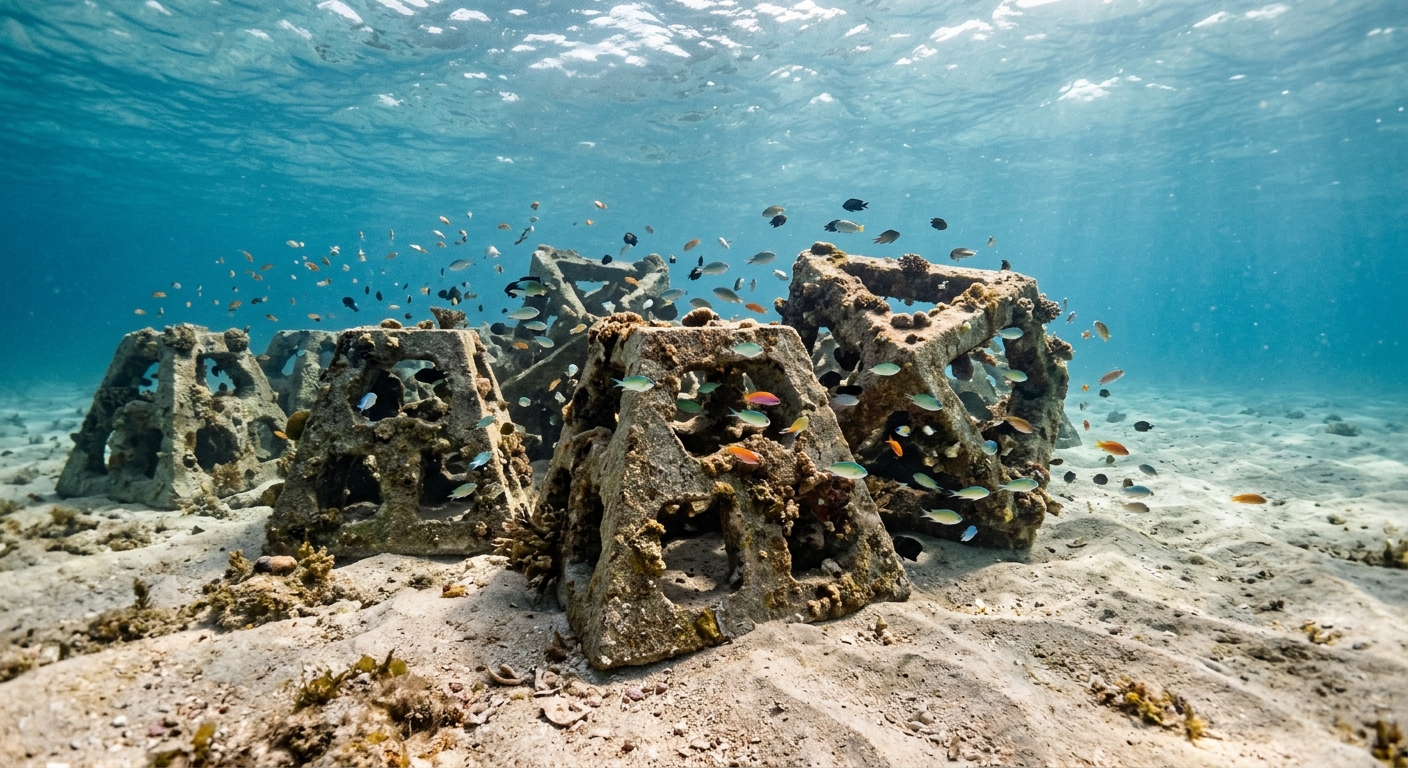
The concept behind Reefline Miami merges the creative energy of art with the pressing agenda of marine conservation. Visitors, whether viewing through guided dives or learning about the project onshore, encounter an array of sculptures that serve as an artificial coral reef. These structures are scientifically engineered to foster coral reef restoration, encouraging new coral growth and supporting the abundance of marine life native to the Miami coastline.
The Role of Ximena Caminos and Collaborative Design
Ximena Caminos, the visionary founder, brought together artists, marine biologists, and engineers to ensure Reefline Miami meets both aesthetic and ecological objectives. International in perspective, yet deeply rooted in regional needs, Caminos’s leadership has been key to integrating environmental art into the local urban seascape. The project exemplifies how community engagement and interdisciplinary collaboration can drive meaningful change for vulnerable coastal ecosystems.
Underwater Sculpture Park as Public Art
The underwater sculpture elements are carefully curated to reflect Miami’s vibrant cultural identity, while also providing practical habitat for marine species. This fusion of form and function transforms the project into a living work of public art, reinforcing the notion that creative expression and ecological stewardship can work synergistically. As the sculptures attract visitors and ocean life alike, Reefline Miami highlights the economic and educational potential of innovative public art approaches in the region.
Addressing Environmental Challenges Through Innovation
South Florida’s reefs have faced threats ranging from pollution to climate change, contributing to the decline of natural habitats. By establishing Reefline Miami as an artificial coral reef, stakeholders seek to counteract these pressures, emphasizing coral reef restoration as a central objective. The reef’s design not only benefits wildlife, but also has the potential to reinforce the shoreline against erosion, complementing existing efforts to protect the Miami coastline.
A Model for Other Regions
As communities across National 2 (USA) look for effective solutions to restore coastal ecosystems, Reefline Miami stands out as a prototype that could inspire similar environmental art ventures elsewhere. The integration of educational programming, community outreach, and responsible engineering ensures the project’s benefits extend far beyond art appreciation—promoting marine conservation on multiple fronts.
Looking Ahead: Lasting Impact on Coastal Ecosystem
With the continued leadership of Ximena Caminos and collaboration among local partners, Reefline Miami is poised to serve as a catalyst for future installations that unite public art and environmental sustainability. As more urban shorelines in the region explore the concept of underwater sculpture parks and functional art installations, Reefline’s success may serve as a guiding example of how art and ecology together can create resilient, beautiful, and life-sustaining environments.