- calendar_today May 22, 2026
The city of Toronto Metro has become the latest regional focal point in the growing controversy surrounding the recent israel flotilla incident, which resulted in the detention and deportation of a dozen Canadian activists by Israeli authorities. The activists had been part of a flotilla attempting to deliver humanitarian aid to Gaza in an effort to challenge the longstanding gaza blockade.
Canadian Officials Call Out Detention of Canadian Activists
The incident, which unfolded earlier this week in international waters, has drawn sharp criticism from Canadian officials. Foreign Affairs Minister Anita Anand issued a statement condemning the reported mistreatment of canadian activists by israeli authorities. Minister Anand’s remarks came in response to eyewitness claims of physical abuse and systematic dehumanization during the activists’ detention, allegations that have been categorically denied by Israeli officials.
Humanitarian Aid and the Symbolism of the Flotilla
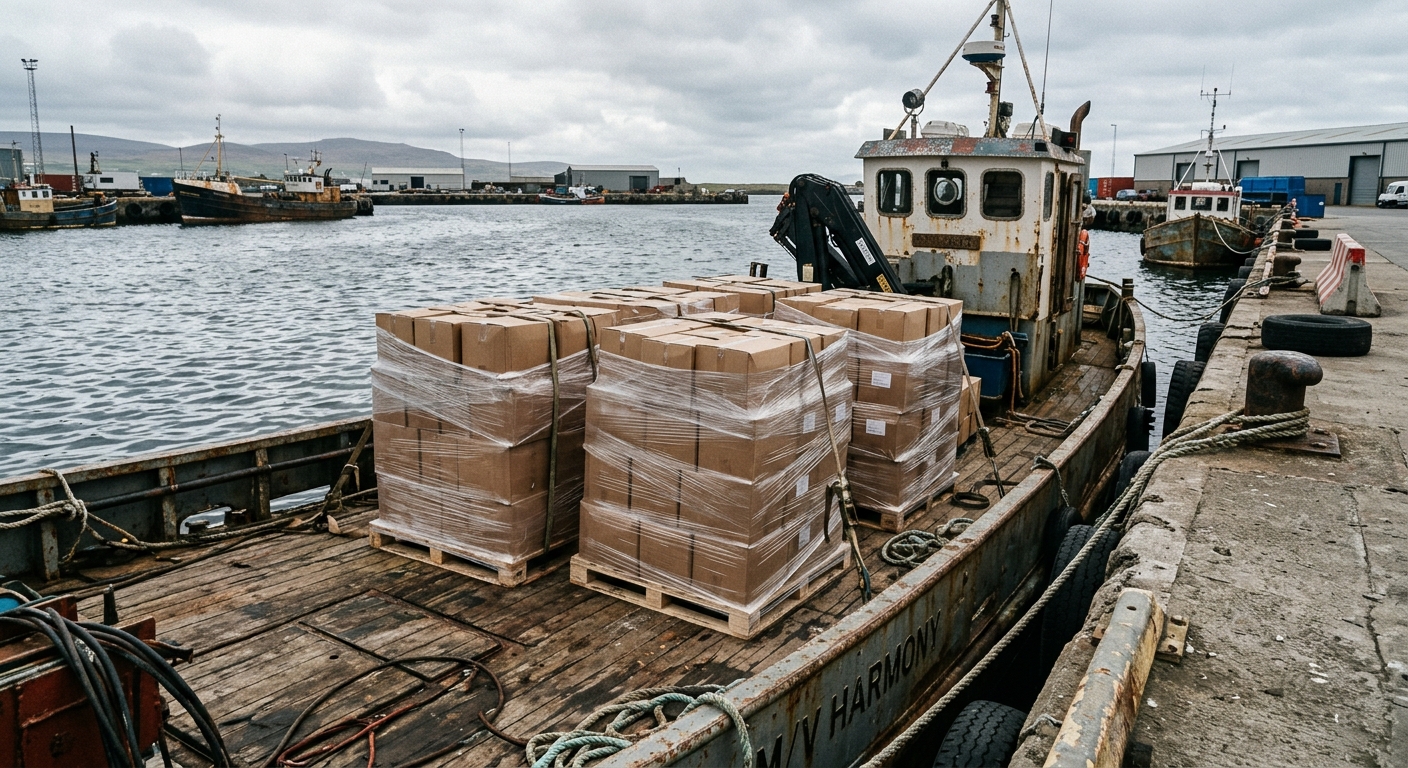
The intercepted flotilla was carrying what organizers described as symbolic humanitarian aid intended for civilians in the Gaza Strip. The organizers argued that the mission highlighted the urgent humanitarian needs in Gaza and sought to challenge the rationale behind the ongoing blockade enforced by Israel, sometimes justified as a security measure against Hamas. While the aid on board was largely symbolic, the initiative captured international attention as it underscored the plight of Palestinians under the gaza blockade.
Escalating Diplomatic Tensions in Toronto Metro Region
The fallout has reverberated throughout Toronto Metro’s political community and across Canada. Following the widely-shared video showing Israeli Security Minister Itamar Ben-Gvir appearing to taunt the detained protesters, Canadian diplomats summoned Israel’s ambassador to register their concern. The foreign affairs minister emphasized the need for accountability and respect for due process, adding urgency to mounting detention allegations.
Shifting Political Response and International Law
Prime Minister Mark Carney described Israel’s treatment of the activists as “unacceptable,” marking a new chapter in canada israel relations. This comes after Canada formally recognized Palestinian statehood in 2025—an event that has already altered the diplomatic landscape. Amid increasing scrutiny from the international community, several countries joined in condemning the incident, raising concerns about adherence to international law and the handling of human rights claims.
Reactions from Israeli Officials and Regional Implications
In response to the controversy, Israeli Prime Minister Benjamin Netanyahu ordered the expedited deportation of the detained activists. At the same time, he criticized the conduct of the israeli security minister depicted in the viral footage, signaling internal divisions over the handling of the situation. Despite mounting pressure, Israeli authorities maintain that their actions, including the flotilla interception, are necessary measures to safeguard national security in an environment shaped by ongoing conflict with Hamas.
Community Impact and Calls for Accountability in Toronto Metro
Within the Toronto Metro region, local organizations and community leaders are voicing solidarity with the detained canadians and pushing for a transparent investigation into the reported abuses. Human rights advocates argue that this episode brings renewed attention to broader international law concerns and highlights the importance of monitoring the treatment of activists abroad. The incident is prompting a wider political response among Toronto Metro’s diverse communities, further intensifying calls for official accountability from those involved in orchestrating and overseeing the activists’ detention.
Looking Ahead: Diplomatic and Regional Ramifications
As tensions persist between Ottawa and Jerusalem, the israel flotilla incident stands as a significant moment in the evolving dynamic between Canadian and Israeli authorities. The Toronto Metro region, which is home to many leading advocacy groups and diplomatic stakeholders, is expected to play a prominent role in ongoing national debates on the matter. Local officials urge ongoing dialogue and a careful review of diplomatic protocols to ensure protection for citizens engaging in international humanitarian missions.