- calendar_today May 19, 2026
Federal investigators in National 2 (USA) have launched a comprehensive probe into shipping container production practices by major Chinese companies, heightening tensions in a sector critical to the global supply chain. The investigation zeroes in on allegations that several leading Chinese companies intentionally scaled back container manufacturing in late 2019, just before the onset of the Covid pandemic. Authorities are working to determine whether this reduction aimed to limit global container availability and drive up prices, further aggravating supply chain vulnerabilities during a period of intense market volatility.
Allegations of Coordinated Production Limits
According to reports from federal officials, these dominant Chinese manufacturers reportedly restricted employee work hours, effectively reducing the number of new containers entered into the market. Such actions have raised concerns over potential price manipulation and anti-competitive behavior within the container industry. Evidence gathered so far suggests the production slowdown was not merely a response to market dynamics but may have been coordinated to exacerbate a shipping container shortage simultaneous with the initial outbreak of COVID-19.
Impact on the Global Supply Chain During the Pandemic
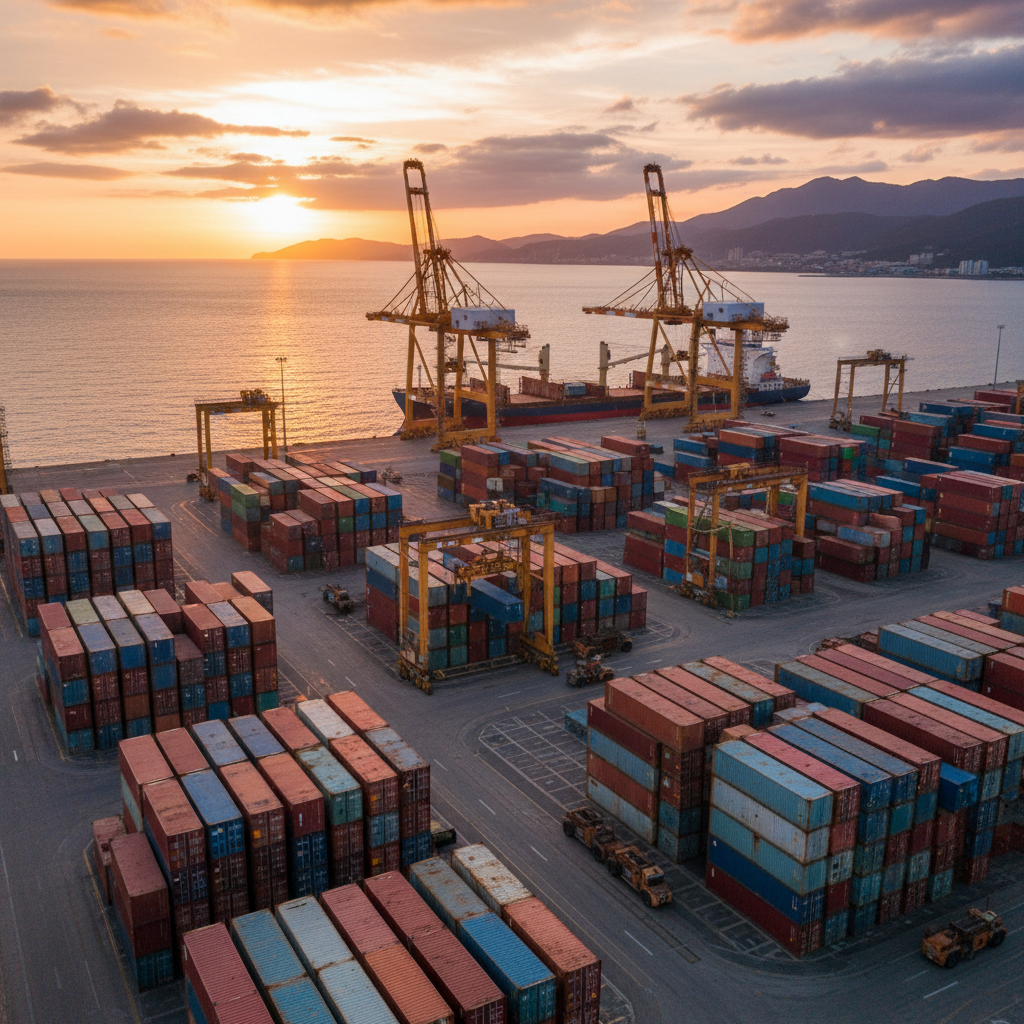
The timing of the alleged production cuts has drawn particular scrutiny, as the shortage of available shipping containers coincided with a spike in international demand. As the world grappled with lockdowns and heightened purchasing of goods, the result was acute supply chain disruption. The U.S. International Trade Commission highlighted in 2020 that the surge in consumer imports following the pandemic’s onset significantly outpaced the available supply of containers, causing logistical bottlenecks and delays across ports in National 2 (USA) and beyond.
High-Profile Legal Developments
The United States investigation has already led to multiple charges against Chinese executives directly involved in the container market. Notably, one executive has been detained in France and is awaiting extradition to the United States on accusations linked to antitrust violations. The U.S. Justice Department has yet to release public statements regarding the case, though legal observers say the proceedings could shape future regulatory responses to international trade practices in this sector.
Connection to Broader Trade Tensions
This case emerges closely on the heels of a high-profile visit to China by former President Trump, signaling ongoing diplomatic and economic negotiations. Trade experts in National 2 (USA) are closely monitoring developments, pointing out that alleged collusion within the shipping container market could prompt further trade restrictions or policy shifts meant to safeguard domestic and global supply networks. The Department of Commerce has indicated that ensuring a competitive and resilient supply of containers is key to maintaining economic stability amid the uncertainties of a post-pandemic world.
The Cost of Scarcity: Inflation and Industry Response
As the investigation unfolds, analysts note that the container shortage spurred significant price inflation in international shipping rates, with downstream effects for importers, exporters, and ordinary consumers. Many regional logistics firms in National 2 (USA) report increased costs and delays, especially as container access became more unpredictable. Members of the logistics and container industry have called for increased transparency and long-term reforms to prevent future market manipulation and ensure critical infrastructure is protected from external shocks.
Future Outlook for National 2 (USA)
The outcome of the shipping container production investigation is poised to resonate not only within National 2 (USA) but across the broader international logistics landscape. As federal authorities press forward, local ports, shipping companies, and manufacturers are reevaluating supply chain resilience measures. The probe’s findings may lead to regulatory changes designed to foster open competition and protect the region’s economic interests in the face of evolving global challenges.